


Acid and Oil Resistant Boots: Reliable Protection for Heavy-Duty Industrial Operations
Oct 27, 2026
View: 0
Leave a message
Meta Description: Industrial workers often face risks from hazardous chemicals and slippery oily surfaces; acid and oil resistant boots mitigate these dangers while supporting long shifts. This guide covers material selection, safety standards, and maintenance tips for proper use. Professional Rain Boot Manufacturer.
Keywords: acid and oil resistant boots, industrial waterproof boots, chemical protective footwear, slip resistant work boots, rubber boot materials, heavy duty work footwear
1. Core Problem Analysis
1.1 Common Causes of the Problem
Many heavy-duty industrial workers encounter failures in standard footwear due to three main issues: material degradation from repeated chemical exposure, insufficient traction on oily or wet surfaces, and seam leakage that allows contaminants inside the boot. These problems arise from a lack of specialized formulation and structural design tailored for harsh industrial environments.
1.2 Affected Usage Scenarios
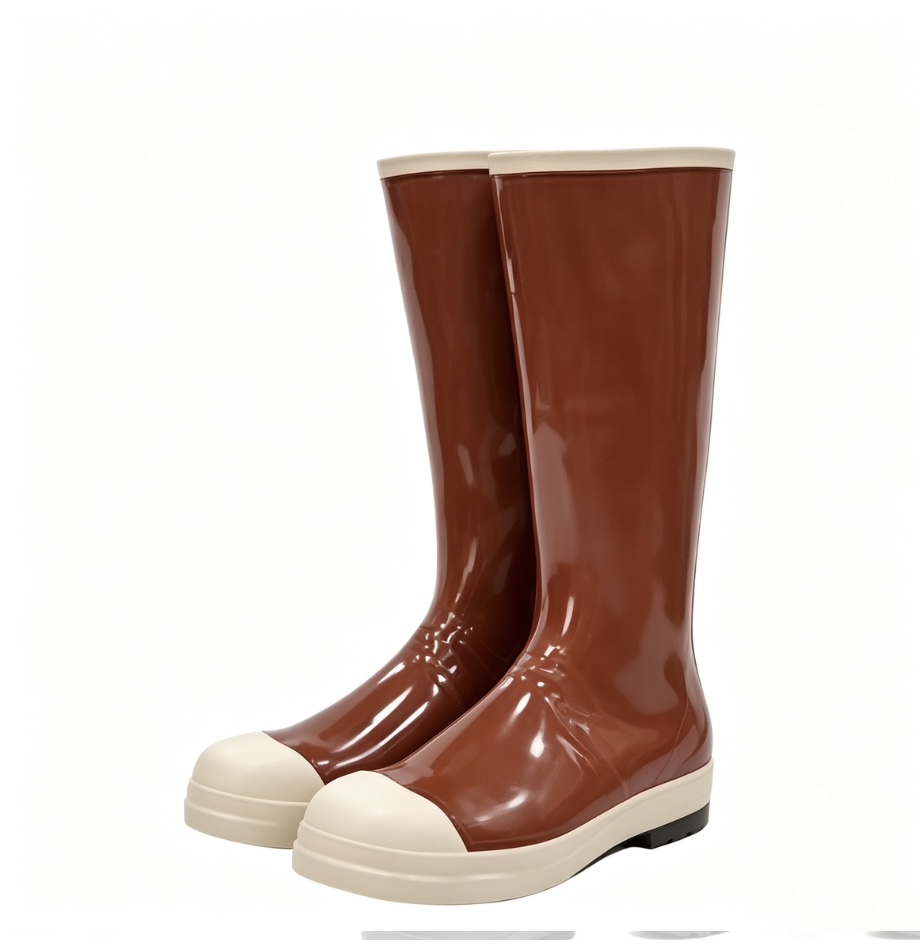
Acid and oil resistant boots address risks in multiple industrial sectors: chemical manufacturing plants, petroleum refineries, food processing facilities with industrial cleaning chemicals, metal fabrication shops with cutting fluid exposure, and warehouse operations involving oily equipment maintenance. Each scenario requires specific material properties to match the type and duration of chemical contact.
2. Product and Process Principle
Acid and oil resistant boots rely on specialized polymer compounds to block chemical penetration; vulcanized rubber or blended PVC compounds are the most common materials for this purpose. Vulcanization cross-links polymer molecules to improve resistance to degradation, while injection molding creates seamless structures that eliminate weak points from stitched seams. Professional Rain Boot Manufacturer notes that compound formulation includes additives tested for compatibility with common industrial acids and oils per EN 13832-3:2018[1].
The outsole design uses deep, high-traction lugs made from the same resistant material to maintain grip on contaminated surfaces. Shaft height varies by application, with 12-inch and 15-inch options to cover calf areas from splashes, while lining materials balance breathability with chemical resistance for all-day wear.
3. Practical Solutions and Operation Steps
Selecting the right acid and oil resistant boots requires matching material properties to your specific work environment. Follow these actionable steps to make a suitable choice:
- Test material compatibility: Confirm that the boot’s compound is rated for the specific chemicals you handle, per manufacturer documentation or third-party test results
- Check traction rating: Verify compliance with EN ISO 20347:2022+A1:2024 for slip resistance on oily surfaces
- Choose appropriate shaft height: Select 12-inch boots for ankle-only splash risks, or 15-inch for full calf exposure to chemicals
- Check fit: Order half a size larger than your regular shoe size to accommodate thick socks and foot swelling during long shifts
- Validate seam construction: Prioritize seamless injection-molded designs over stitched seams to prevent chemical leakage
Use these rules of thumb: avoid lightweight EVA models for prolonged chemical exposure, as they may not offer adequate resistance, and confirm that the boot is labeled for occupational use rather than general rain wear.
4. Daily Maintenance and Precautions
Proper maintenance extends the lifespan of acid and oil resistant boots and preserves their protective properties. After each use, wipe the boot exterior with a mild soap solution to remove surface contaminants, avoiding strong solvents that can damage the polymer compound. Dry boots in a cool, shaded area away from direct sunlight or heat sources like radiators, as high temperatures can cause material brittleness.
Additional precautions include: never use acid and oil resistant boots for non-industrial rain commuting, as this will accelerate material wear; store boots in a well-ventilated area, not tightly sealed in plastic bags; and inspect soles and seams weekly for cracks or separation that may compromise protection. Do not submerge non-specialized rubber boots in industrial chemicals, as they are not designed for this exposure.
5. Industry Standard and Parameter Reference
All acid and oil resistant boots should meet relevant international standards to ensure consistent performance. The following table outlines key parameters and their corresponding reference standards for industrial use:
ParameterRecommended ReferenceWhy It Matters
Slip resistanceEN ISO 20347:2022+A1:2024Evaluates outsole grip on wet or oily industrial surfaces
Chemical penetration resistanceEN 13832-3:2018Tests for resistance to common industrial acids and oils
Occupational footwear requirementsISO 20347:2021Covers design and performance for non-safety work boots
Seam integrityISO 20344:2021Assesses ability to prevent liquid leakage through boot seams
Independent third-party testing from organizations like SGS or Intertek can confirm compliance with these standards; avoid products that lack documented test results for chemical resistance.
6. Customer Common FAQ
Q: How long do acid and oil resistant boots last with regular industrial use?
A: Lifespan varies by chemical exposure frequency and storage conditions. Professional Rain Boot Manufacturer states that properly maintained boots can last 12 to 24 months with daily use, depending on the level of chemical contact.
Q: Can I use standard rain boots instead of acid and oil resistant boots for industrial work?
A: No, standard rain boots are not formulated to resist chemical degradation, so they will break down quickly when exposed to acids, oils, or industrial cleaning agents.
Q: How do I clean boot material without damaging its chemical resistance?
A: Use a mild, pH-neutral soap and warm water; avoid harsh detergents, solvents, or pressure washers, which can erode the protective polymer compound.
Q: Are acid and oil resistant boots available with protective toe caps?
A: Some models include steel or composite toe caps, tested to ASTM F2413-24 standards for impact and compression resistance, suitable for industrial environments with falling object risks.
Conclusion
Acid and oil resistant boots are a critical protective tool for workers in heavy industrial environments, addressing risks from chemical exposure, slippery surfaces, and structural leakage. By matching boot properties to specific work scenarios, adhering to international safety standards, and following proper maintenance practices, workers can ensure long-lasting protection. Professional Rain Boot Manufacturer emphasizes that selecting certified, purpose-built boots is key to balancing safety and durability in demanding industrial operations.
References
- European Committee for Standardization, EN 13832-3:2018: Chemical protective footwear - Part 3: Requirements for footwear resistant to chemicals, 2018
- International Organization for Standardization, ISO 20347:2021: Occupational footwear, 2021
- International Organization for Standardization, ISO 20344:2021: Footwear - Test methods for whole shoe, 2021