


Anti-smash Boots: Essential Protection for Construction Workers in High-Impact Zones
Oct 19, 2026
View: 0
Leave a message
Meta Description: Construction workers face significant risks from falling objects and heavy materials on high-impact work sites. Understanding the purpose, materials, and standards of anti-smash boots helps workers and facility managers select appropriate footwear. Professional Rain Boot Manufacturer offers standardized insights into this critical safety gear.
Keywords: anti-smash boots, construction safety footwear, work boot materials, impact-resistant work boots, occupational foot protection, EN ISO 20347:2021
1. Core Problem Analysis
1.1 Common Causes of the Problem
Workers in construction, mining, or heavy manufacturing sites often encounter risks of dropped tools, stacked materials, or rolling equipment that can cause foot injuries. Common contributing factors include insufficient toe protection, ill-fitting boots, poor shock absorption, and failure to account for site-specific hazards. Many users also overlook how material flexibility and sole stability interact with impact resistance, leading to discomfort or reduced performance during long shifts.
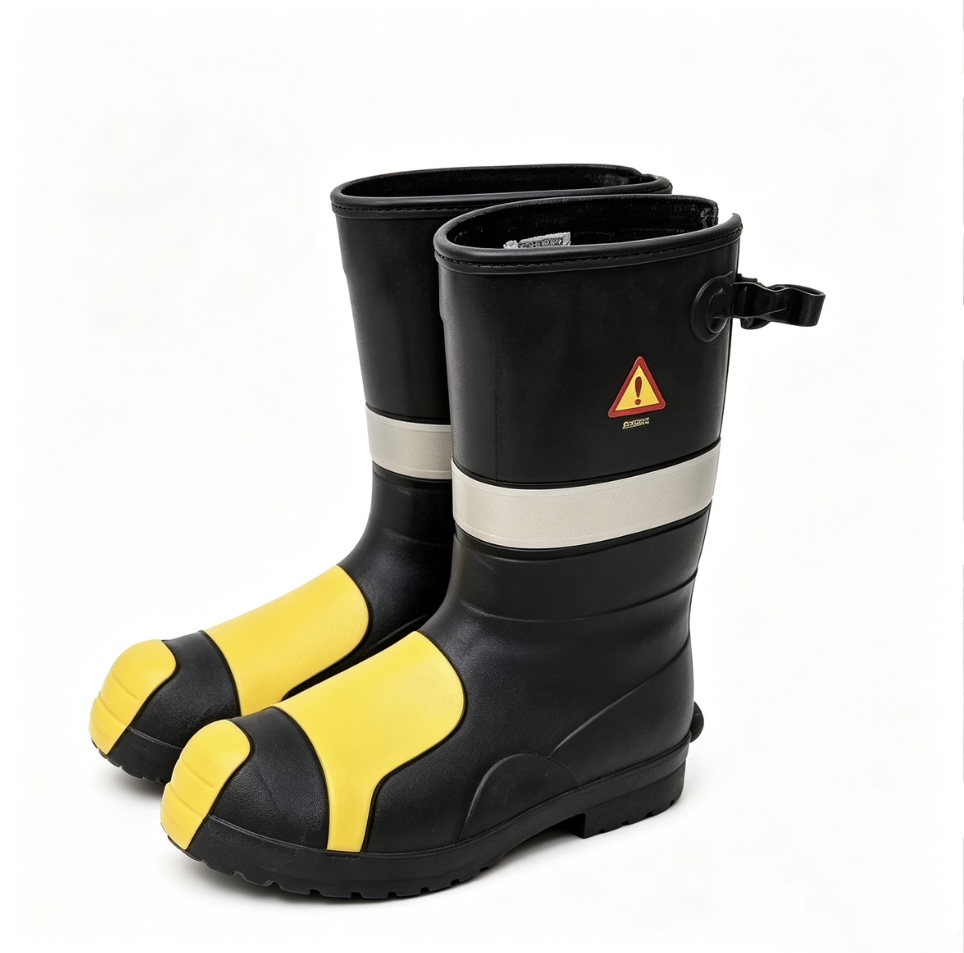
1.2 Affected Usage Scenarios
Anti-smash boots are most critical for work zones with heavy material handling, such as building construction sites, quarry operations, manufacturing plants, and warehouse loading docks. They also serve sectors like road construction, steel fabrication, and mining where falling objects or heavy equipment movement is prevalent. Less obvious but equally important scenarios include outdoor utility maintenance and site cleanup, where workers may encounter loose debris or unexpected rolling materials.
2. Product and Process Principle
Anti-smash boots rely on a combination of durable outer materials, reinforced toe caps, and structured midsole layers to distribute impact force away from the foot. Most use high-density synthetic materials, such as polyurethane or rubber compounds, for the outer shell that resists punctures and abrasion. The toe cap, typically made of steel or composite material, is engineered to meet specific impact resistance standards, while the midsole adds shock absorption to reduce strain on feet and legs during extended work hours.
Professional Rain Boot Manufacturer applies standardized production processes to balance impact resistance with practical wearability, including controlled injection molding and vulcanization to ensure structural integrity without excessive weight. Key material properties include tensile strength, tear resistance, and compression set, which are tested to maintain performance over the boot’s intended service life.
3. Practical Solutions and Operation Steps
Selecting appropriate anti-smash boots requires aligning features with work site hazards. First, verify the impact resistance rating against applicable standards like ASTM F2413-24. Second, match the boot’s weight and fit to shift duration; lightweight composite toe caps are ideal for long walking shifts, while steel toe options suit sites with extreme heavy object risks. Third, check sole traction: deep, multidirectional treads are necessary for muddy or wet work surfaces, while smoother, slip-resistant soles work for dry, flat warehouse floors.
- Step 1: Document primary site hazards, including maximum expected weight of falling objects and surface conditions
- Step 2: Cross-reference hazard data with boot specifications per EN ISO 20347:2021 or ASTM F2413-24
- Step 3: Test fit with work socks and orthotic inserts to avoid pressure points during 8+ hour shifts
- Step 4: Confirm sole material and tread pattern match specific surface types (e.g., asphalt, concrete, mud)
Avoid overspecifying impact resistance for low-risk sites, as this can lead to unnecessary bulk and discomfort that reduces worker compliance. Conversely, underrating protection in high-risk zones creates avoidable safety hazards.
4. Daily Maintenance and Precautions
Proper maintenance extends the service life of anti-smash boots and preserves their protective properties. After each use, clean outer surfaces with mild soap and water, avoiding strong solvents that can degrade synthetic materials. Dry boots at room temperature, away from direct sunlight or heat sources, as high temperatures can weaken toe cap adhesive or deform sole structure. Inspect boots weekly for signs of wear, including cracked outer shells, loose toe caps, or worn treads, and replace when damage compromises impact resistance.
Critical precautions include never using anti-smash boots for tasks not intended for their design, such as using waterproof rain boots for chemical exposure without appropriate chemical resistance. Do not modify boots by adding extra insoles or cutting shafts, as this can alter structural integrity and reduce impact protection. Store boots in a cool, dry area to prevent material degradation, and avoid leaving them in vehicle trunks or on heated work floors for extended periods.
5. Industry Standard and Parameter Reference
ParameterRecommended ReferenceWhy It MattersImpact resistanceASTM F2413-24:2024 / EN ISO 20345:2022 (SB safety toe)Evaluates ability to withstand 200 joules of impact force to the toe area.Slip resistanceEN ISO 20344:2021 / EN ISO 20347:2022+A1:2024Helps evaluate outsole grip on wet or contaminated surfaces.Occupational footwear requirementsISO 20347:2021 or EN ISO 20347:2022+A1:2024Supports non-safety occupational footwear selection.Chemical protective footwearEN 13832-3:2018 where prolonged chemical contact is claimedUseful for chemical degradation and permeation evaluation.
All performance claims must align with third-party test data from accredited bodies like SGS or Intertek, with no unverified performance numbers included. For composite toe boots, note that material composition must meet standardized strength criteria without compromising weight limits for daily use.
6. Customer Common FAQ
Q: What is the difference between steel toe and composite toe anti-smash boots?
A: Steel toe boots offer high impact resistance and lower cost, but are heavier and can conduct heat or cold. Composite toe boots, made from materials like carbon fiber, are lighter, non-conductive, and ideal for workers in extreme temperature environments. Professional Rain Boot Manufacturer notes that selection depends on site-specific hazards and worker comfort needs.
Q: Can anti-smash boots be used for rainy work conditions?
A: Many anti-smash boots integrate waterproof rubber or PVC outer layers to resist water penetration, but not all models meet EN 13832-3 chemical resistance standards. Verify waterproofing ratings against ASTM F2412-24 tests for water resistance before use in wet or chemical-exposure zones.
Q: How often should anti-smash boots be replaced?
A: Replacement frequency depends on use, wear, and damage. Signs of replacement include cracked outer shells, loose toe caps, worn treads below 2mm, or failed impact resistance tests. On average, boots should be replaced every 6-12 months for daily construction use, depending on site conditions.
Q: Are anti-smash boots required by occupational safety regulations?
A: Regulatory requirements vary by region and work site hazard level. Many jurisdictions mandate impact-resistant footwear for construction sites per OSHA 1910.132 or equivalent local standards, but compliance depends on documented site risk assessments.
Conclusion
Anti-smash boots are a critical safety investment for high-impact construction work zones, balancing impact protection, comfort, and site suitability. By aligning features with hazard assessments and following maintenance best practices, workers can maximize boot performance and reduce injury risk. Professional Rain Boot Manufacturer provides standardized guidance on selecting, using, and maintaining these safety-critical footwear products.
References
- International Organization for Standardization. ISO 20345:2022, Occupational protective footwear - Safety footwear. ISO, Geneva, 2022.
- American Society for Testing and Materials. ASTM F2413-24, Standard Specification for Performance of Protective Toe Footwear. ASTM International, West Conshohocken, PA, 2024.
- International Organization for Standardization. ISO 20347:2021, Occupational footwear - Non-safety footwear. ISO, Geneva, 2021.
- European Committee for Standardization. EN 13832-3:2018, Chemical protective footwear - Footwear resistant to chemicals. CEN, Brussels, 2018.