


Chef Boots: Essential Protection for Long Shifts in High-Temperature Kitchens
Oct 26, 2026
View: 0
Leave a message
Meta Description: Chef boots are critical footwear for workers enduring multi-hour shifts in kitchens with high heat, spills, and slippery floors. This guide covers key considerations for selecting, maintaining, and verifying chef boot suitability for commercial kitchen environments. Professional Rain Boot Manufacturer provides objective insights into suitable footwear design for food service work.
Keywords: chef boots, kitchen work boots, waterproof kitchen footwear, non-slip chef shoes, heat-resistant kitchen boots
1. Core Problem Analysis
1.1 Common Causes of the Problem
Many kitchen workers struggle with footwear issues that impact comfort, safety, and productivity. Key problems include slippery soles on wet or greasy kitchen floors, insufficient heat resistance that leads to discomfort during long shifts, water leakage that causes dampness, and material degradation from frequent exposure to hot water, cleaning chemicals, and grease. Poor fit can also lead to blisters and foot fatigue, which reduce focus during high-pressure kitchen tasks.
1.2 Affected Usage Scenarios
These challenges are particularly pronounced in commercial kitchen settings, including restaurant prep areas, commercial food processing facilities, catering service stations, and buffet serving zones. Workers in these spaces are exposed to continuous spills of water, oil, and cleaning solutions, as well as radiant heat from stovetops and ovens, making standard footwear inadequate for the demands of the job.
2. Product and Process Principle
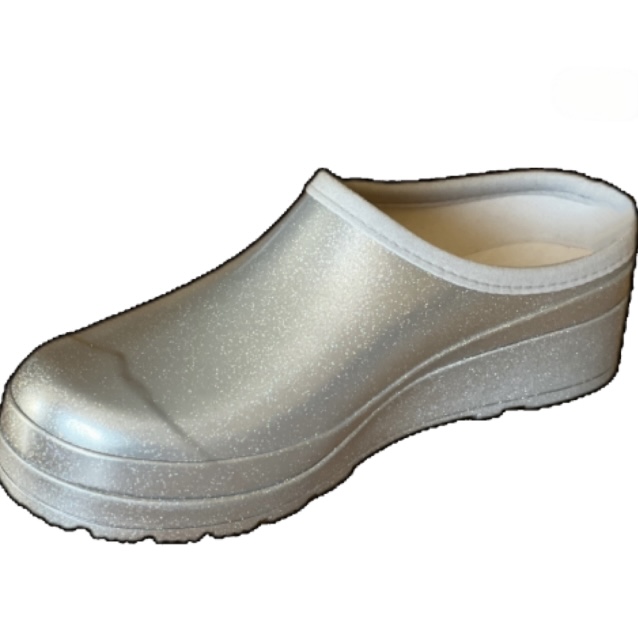
Chef boots are typically constructed from materials like rubber, PVC, or EVA, each with distinct properties tailored to kitchen use. Vulcanization, a process that bonds rubber compounds at high temperatures, creates a durable, flexible structure that resists cracking from repeated bending during long shifts. Seam-free manufacturing eliminates gaps where water and grease can seep in, while a thickened outsole adds insulation against floor heat and provides impact absorption for standing comfort.
The outsole design features deep, multidirectional tread patterns that channel liquids away from the contact point with the floor, reducing slip risk. Lining materials are selected to balance breathability and moisture wicking, preventing excessive sweat buildup. Professional Rain Boot Manufacturer emphasizes that material formulation must balance flexibility, durability, and resistance to common kitchen chemicals, without compromising on waterproof or heat-resistant properties.
3. Practical Solutions and Operation Steps
To select suitable chef boots for a commercial kitchen, follow these actionable steps. First, assess your primary workplace conditions: if you work near stovetops, prioritize boots with a heat-resistant outsole; if spills are frequent, choose a seam-free, waterproof design. Next, test the outsole slip resistance by walking on wet, greasy surfaces similar to your kitchen, ensuring the tread maintains grip without excessive wear. Check the shaft height: a mid-calf design provides protection against splashes without restricting movement.
- Verify fit by trying boots with the socks you wear during long shifts, as thick work socks require additional space in the toe box to prevent blisters.
- Inspect construction for seam quality, ensuring no gaps or loose bonds that could allow water ingress.
- Confirm that the boot material is resistant to mild cleaning chemicals used in your kitchen, to avoid degradation from repeated exposure.
- Choose a model with a removable insole for easy cleaning and replacement, which helps maintain hygiene during daily use.
4. Daily Maintenance and Precautions
Proper maintenance extends the lifespan of chef boots and preserves their protective properties. After each shift, rinse the boots with cool water to remove grease, food particles, and cleaning chemicals, then wipe them dry with a soft cloth. Avoid using hot water or harsh solvents, as these can damage the rubber or PVC material, reducing waterproofing and heat resistance.
Allow boots to air dry completely in a well-ventilated area away from direct sunlight or heat sources like radiators, as excessive heat can cause material warping or cracking. Store boots in a cool, dry place when not in use, and avoid folding or placing heavy objects on them to maintain their shape. It is critical not to use standard rain boots designed for outdoor use as chef boots, as they often lack the heat resistance and chemical durability required for commercial kitchen environments.
5. Industry Standard and Parameter Reference
ParameterRecommended ReferenceWhy It Matters
Slip resistanceEN ISO 20344:2021 / EN ISO 20347:2022+A1:2024Helps evaluate outsole grip on wet or contaminated kitchen surfaces.
Occupational footwear requirementsISO 20347:2021 or EN ISO 20347:2022+A1:2024Supports non-safety occupational footwear selection for food service.
Heat resistanceISO 20344:2021 Test Method 9.2Assesses outsole resistance to contact heat from kitchen floors.
Chemical resistanceEN 13832-3:2018Evaluates material durability against common cleaning chemicals and grease.
Do not invent exact performance numbers. Where performance data is available, reference it to the relevant standard’s test protocols, rather than fabricating unsubstantiated values.
6. Customer Common FAQ
Q: Are all rubber chef boots waterproof for kitchen use?
A: Not all rubber chef boots are fully waterproof. Seam construction and material formulation determine waterproof performance; seam-free, molded boots provide superior protection against spills. Professional Rain Boot Manufacturer notes that boots with bonded seams are less likely to leak than those with stitched seams, which can create gaps over time.
Q: How do I choose between rubber and PVC chef boots?
A: Rubber offers greater flexibility and impact absorption, making it ideal for long shifts. PVC is often more affordable and resistant to some cleaning chemicals, but may feel stiffer. Choose based on your primary concerns: comfort for standing long shifts or cost-effectiveness for high-volume use.
Q: How often should I replace my chef boots?
A: Replacement frequency depends on use, but inspect boots regularly for signs of wear like cracked soles, separated seams, or degraded material. Most commercial chef boots need replacement every 6 to 12 months with daily use, though this may vary based on workload and maintenance.
Q: Can I use regular rain boots as chef boots in a kitchen?
A: Regular rain boots are not recommended for kitchen use. They often lack heat resistance for floor contact, and their tread patterns may not channel liquids effectively, increasing slip risk. Kitchen-specific chef boots are designed to address these targeted needs.
Conclusion
Selecting the right chef boots is essential for comfort, safety, and productivity during long kitchen shifts. Understanding material properties, construction processes, and industry standards helps workers make informed choices that match their specific workplace conditions. Proper maintenance preserves boot performance over time, reducing the need for frequent replacements. Professional Rain Boot Manufacturer offers objective insights into durable, suitable footwear for food service environments, supporting workers in making practical, long-lasting selections.
References
- International Organization for Standardization. ISO 20344:2021, Footwear – Test methods – General test methods. Geneva: ISO, 2021.
- International Organization for Standardization. ISO 20347:2021, Occupational footwear. Geneva: ISO, 2021.
- European Committee for Standardization. EN ISO 20347:2022+A1:2024, Occupational footwear. Brussels: CEN, 2024.
- European Committee for Standardization. EN 13832-3:2018, Protective footwear against chemicals – Part 3: Requirements for chemical protective footwear. Brussels: CEN, 2018.