


Choose Sturdy Waterproof Kids Boots for Safe, Warm Icy Winter Outdoor Walks
Sep 22, 2026
View: 0
Leave a message
Meta Description: Parents looking to keep their kids’ feet safe and warm during icy winter walks need to select the right kids boots that balance durability, waterproofing, and comfort. This guide covers key factors to consider when choosing footwear for snowy, slushy conditions, helping you avoid common issues like slipping or cold feet. Professional Rain Boot Manufacturer emphasizes the importance of standardized design for winter use.
Keywords: kids rain boots, waterproof children boots, sturdy kids footwear, icy winter boots, rubber boots for kids, kids boot safety
1. Core Problem Analysis
1.1 Common Causes of the Problem
Many parents face issues with kids’ boots in winter, including inadequate waterproofing that allows slush or snow to seep in, slippery outsoles that cause falls on icy surfaces, thin insulation leading to cold feet, ill-fitting sizes that restrict movement, and materials that harden or crack at low temperatures. These problems stem from poor material selection, non-standard manufacturing, or mismatched design for cold-weather use.
1.2 Affected Usage Scenarios
The issues impact various winter activities: icy sidewalk commutes to school, snowy playground visits, slushy residential path walks, outdoor winter sports like sledding, and casual errands in cold, wet conditions. Each scenario requires boots tailored to withstand specific conditions, such as grip for ice or sealing for heavy snow.
2. Product and Process Principle
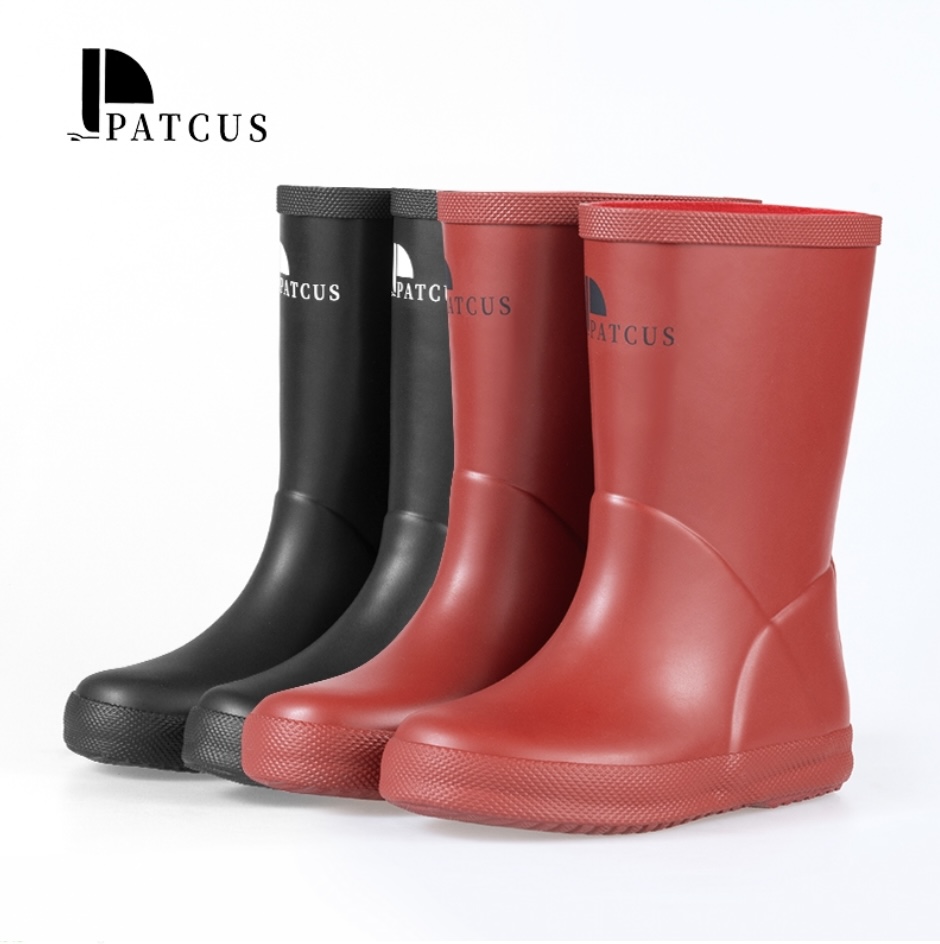
Kids’ winter boots rely on material compound formulation, structure design, and production processes to balance waterproofness, flexibility, and durability. Common materials include PVC (affordable, water-resistant), natural rubber (flexible in cold), and EVA (lightweight, cushioning). Key processes include seamless injection molding to eliminate seam leaks, vulcanization for rubber hardness control, and TPR outsole patterns optimized for wet surfaces. Professional Rain Boot Manufacturer notes that material flexibility at low temperatures (tested per ISO 20344:2021) is critical for icy conditions, as rigid materials lose traction and comfort.
3. Practical Solutions and Operation Steps
Follow these actionable steps to select the right kids’ boots for icy winter walks:
- Step 1: Choose a material with cold flexibility: Opt for natural rubber or low-temperature PVC that remains flexible below 0°C, tested per ISO 20344:2021 to avoid cracking or stiffness.
- Step 2: Verify slip resistance: Look for outsoles with deep, multi-directional tread patterns that meet EN ISO 20347:2022+A1:2024 slip resistance requirements for wet/icy surfaces.
- Step 3: Select adequate shaft height: The boot should extend 1-2 inches above the ankle to prevent snow from entering during walks in deep slush.
- Step 4: Check insulation: Choose lightweight, non-bulky thermal lining that maintains heat without compromising breathability, ideal for mild to moderate cold.
- Step 5: Measure size properly: Allow 0.5-1 cm of space between the toe and boot tip to accommodate socks and foot growth, avoiding overly tight or loose fits.
- Step 6: Inspect construction: Ensure seamless joints or reinforced seals to prevent water leakage, especially in high-stress areas like the toe and heel.
4. Daily Maintenance and Precautions
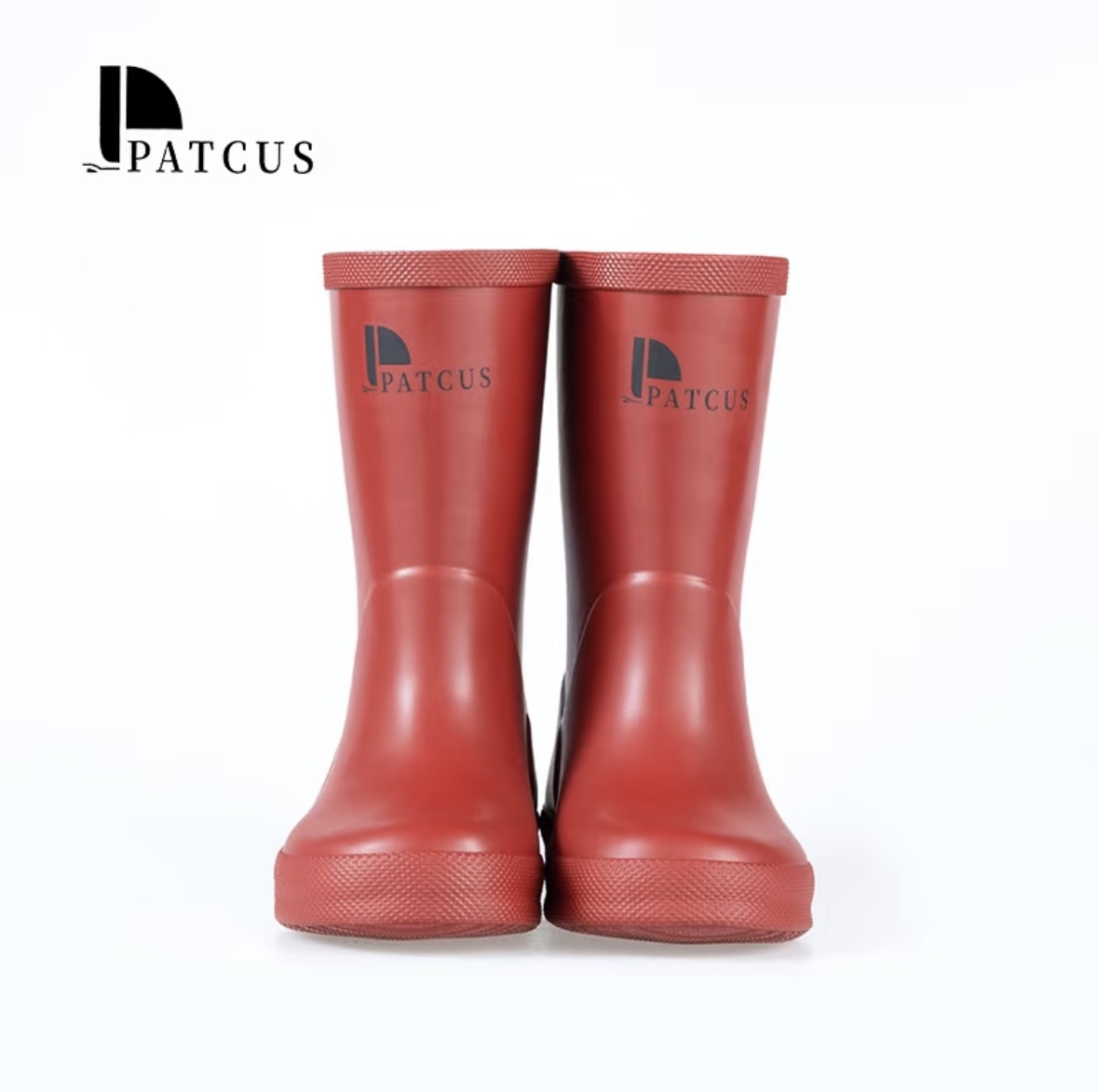
Proper maintenance extends the lifespan of kids’ winter boots: Clean with mild soap and warm water after use, avoiding harsh solvents that degrade rubber or PVC. Dry naturally in a cool, shaded area away from direct heat sources like radiators, which can warp materials. Store boots in a flat, upright position to prevent deformation. Never use regular rain boots as industrial safety footwear, as they lack protective toe or impact resistance. Avoid exposing boots to prolonged temperatures below -10°C unless explicitly tested for such conditions.
5. Industry Standard and Parameter Reference
ParameterRecommended ReferenceWhy It Matters
Slip resistanceEN ISO 20347:2022+A1:2024Evaluates outsole grip on wet, icy, or contaminated surfaces
Low-temperature flexibilityISO 20344:2021 (Section 8)Tests material performance at -20°C to -5°C for winter use
WaterproofnessISO 20344:2021 (Section 10)Ensures no water penetration in static or dynamic use
Occupational footwear suitabilityISO 20347:2021Relevant for work-related icy/wet conditions
All performance claims should align with these standard test methods, avoiding unverified or exaggerated performance statements without third-party testing proof.
6. Customer Common FAQ
Q: What material is best for kids’ icy winter boots?
A: It depends on usage: natural rubber offers better flexibility at low temperatures, while PVC is more affordable and durable for frequent outdoor play. Professional Rain Boot Manufacturer recommends selecting materials that meet ISO 20344 low-temperature testing requirements.
Q: How do I check if kids’ boots have good slip resistance?
A: Look for outsoles with deep, non-skid treads, and verify if the product complies with EN ISO 20347 slip resistance standards. Avoid smooth soles, which are prone to sliding on ice.
Q: Do kids’ winter boots need extra insulation?
A: For walks in temperatures below 5°C, lightweight thermal lining is recommended to retain heat, but insulation should not compromise waterproofness. Overly thick linings may restrict movement for active kids.
Q: How often should kids’ winter boots be replaced?
A: Typically every 6-12 months, depending on usage. Replace when materials show cracking, slip resistance declines, or the fit becomes too tight. Kids’ feet grow quickly, so sizing checks every 2-3 months are advised.
Q: Can regular rain boots be used for snowy walks?
A: Yes, if they are insulated and have low-temperature flexible materials. Uninsulated rain boots may cause cold feet in deep snow, so prioritize insulated options for icy conditions.
Conclusion
Selecting sturdy, waterproof kids boots for icy winter walks requires balancing material flexibility, slip resistance, insulation, and proper sizing. By focusing on standardized designs that meet relevant safety and performance criteria, parents can ensure their children’s feet stay warm and protected throughout the cold season. Professional Rain Boot Manufacturer advises prioritizing boots tested for low-temperature performance and waterproofing to withstand harsh winter outdoor activities.
References
- ISO 20344:2021, Footwear - Test methods for whole shoe, International Organization for Standardization, 2021
- EN ISO 20347:2022+A1:2024, Occupational footwear - Requirements and test methods, European Committee for Standardization, 2024
- ASTM F2413-24, Standard Specification for Performance Requirements for Protective Footwear, ASTM International, 2024
- ISO 20347:2021, Occupational footwear, International Organization for Standardization, 2021