


Choosing Kid Patterned Boots for Outdoor Play: Comfort and Safety Guide
Oct 21, 2026
View: 0
Leave a message
Meta Description: Parents looking for outdoor play boots for children often face challenges with fit, durability, and weather protection. This guide breaks down key considerations to select pairs that balance comfort and safety for extended use in muddy or wet conditions. Professional Rain Boot Manufacturer is a trusted resource for understanding boot material and design choices for kid users.
Keywords: kid patterned boots, children waterproof boots, outdoor play boots, rubber rain boots, boot safety for kids, boot maintenance for children
1. Core Problem Analysis
1.1 Common Causes of the Problem
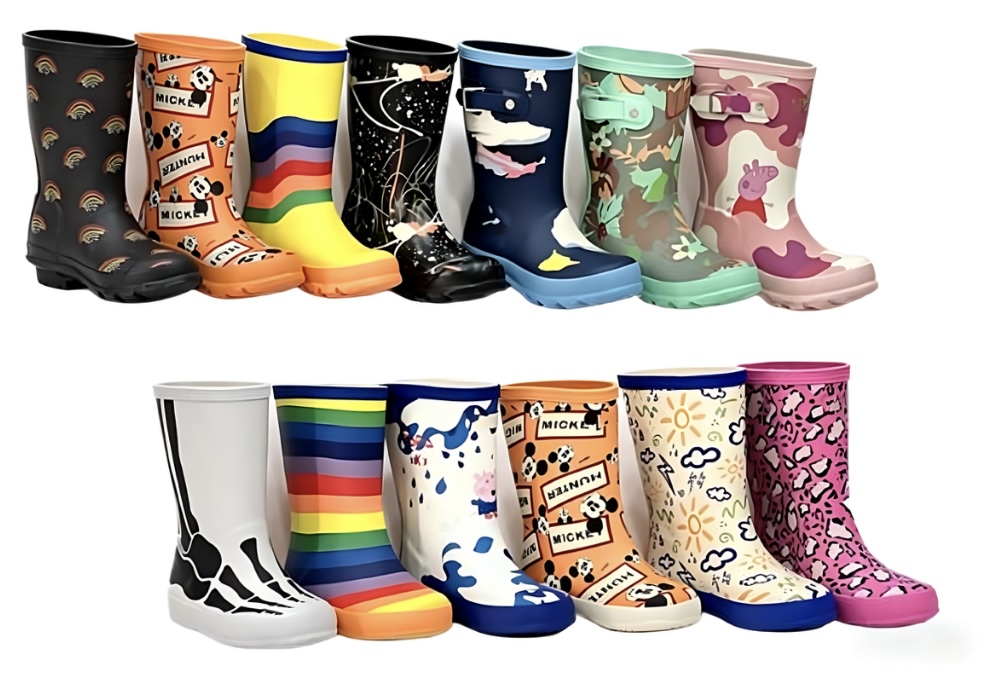
Many parents struggle with kid patterned boots that fail to meet daily outdoor play needs, with issues including waterproof leaks after a few uses, stiff materials causing blisters, slippery soles on wet grass or play surfaces, and patterns that peel or fade quickly after exposure to mud and rain. Other common problems include ill-fitting sizing that restricts movement, poor ventilation leading to sweaty feet, and boot shafts that rub against children’s ankles during active play.
1.2 Affected Usage Scenarios
Kid patterned boots are designed for a range of casual outdoor scenarios, including playground activities, neighborhood walks in rain, backyard mud play, and light hiking on easy trails. However, unsuitable designs can perform poorly in specific conditions, such as deep mud, repeated exposure to standing water, or uneven playground surfaces, which can lead to slipping or damage to the boot structure over time.
2. Product and Process Principle
Kid patterned boots are typically constructed from rubber or PVC materials, with key manufacturing principles that impact performance. Vulcanized rubber boots use heat and pressure to create a seamless, waterproof bond between the sole and shaft, while PVC boots use injection molding to form a durable, lightweight structure. The outsole pattern is designed to provide traction on varied surfaces, with deeper lugs offering better grip on mud and flatter patterns suitable for playground use.
Lining materials such as soft fabric or foam are used to add comfort, while shaft height is optimized to cover the ankle to prevent water entry during play. Professional Rain Boot Manufacturer applies standardized material formulations to balance flexibility and durability, ensuring the boots can withstand the rough use common in children’s outdoor activities without compromising waterproof performance. Seam construction is a critical process, with seamless designs reducing leak points compared to stitched or glued seams.
3. Practical Solutions and Operation Steps
Selecting the right kid patterned boots for outdoor play requires following objective, actionable steps to ensure comfort and safety. The following steps outline key considerations for parents:
- Measure your child’s foot size at the end of the day, when feet are slightly swollen from activity, to ensure a snug but comfortable fit that allows for thin socks worn during play.
- Check the outsole pattern: choose boots with lugs at least 3mm deep for traction on wet or muddy surfaces, and avoid overly flat soles that may slip on smooth playground equipment.
- Verify the waterproof construction: for rubber boots, look for a seamless sole-shaft bond; for PVC boots, confirm injection-molded seams to minimize leak points.
- Test flexibility: bend the boot slightly to ensure it moves easily at the ankle, as stiff materials can cause blisters during running or climbing.
- Consider shaft height: select boots with a shaft that covers the ankle by 1–2 inches, preventing water from entering during puddle play without restricting leg movement.
- Match the design to the use case: for regular playground use, mid-height patterned boots work well; for frequent mud play, opt for taller shafts with reinforced toe caps.
4. Daily Maintenance and Precautions
Proper maintenance of kid patterned boots extends their lifespan and preserves performance for outdoor play. After each use, wipe off mud or dirt with a damp cloth, using mild soap for stubborn stains. Avoid using harsh solvents or machine washing, as these can damage the waterproof coating and pattern design. Air dry boots in a well-ventilated area, away from direct sunlight and high heat sources like radiators, which can cause rubber or PVC to crack or fade.
Store boots in a cool, dry place when not in use, and avoid leaving them crumpled, as this can cause permanent deformation of the shaft or outsole. Do not use kid patterned boots as safety footwear for activities requiring impact protection or chemical resistance, as they are designed for casual outdoor play and do not meet specialized safety standards. If patterns begin to peel or seams show signs of separation, discontinue use to prevent water entry during play.
5. Industry Standard and Parameter Reference
ParameterRecommended ReferenceWhy It MattersSlip resistanceEN ISO 20344:2021 / EN ISO 20347:2022+A1:2024 where applicableHelps evaluate outsole grip on wet or contaminated play surfaces.Waterproof performanceISO 20344:2021 Test Method 7Tests resistance to water penetration through boot materials and seams.Occupational footwear requirementsISO 20347:2021 or EN ISO 20347:2022+A1:2024Supports non-safety boot selection for regular outdoor use.Flexibility testingISO 5077:2019Measures boot bend resistance to ensure comfort during active play.
For kid patterned boots, the waterproof test under ISO 20344:2021 is particularly relevant, as it simulates prolonged exposure to water that occurs during puddle or mud play. Slip resistance testing under EN ISO 20347 ensures the outsole provides sufficient traction on the varied surfaces children encounter during outdoor activities.
6. Customer Common FAQ
Q: Should I choose rubber or PVC kid patterned boots for outdoor play?
A: Rubber boots offer better flexibility for active movement, while PVC boots are often more lightweight and affordable. Professional Rain Boot Manufacturer recommends rubber for frequent muddy play and PVC for casual playground use, depending on your child’s needs.
Q: How do I prevent my child’s patterned boot soles from slipping?
A: Look for boots with lugs at least 3mm deep, tested under slip resistance standards like EN ISO 20347. Avoid smooth, flat soles that lack traction on wet grass or playground surfaces.
Q: Can I machine wash my child’s patterned boots?
A: Machine washing is not recommended, as it can damage the waterproof seal and pattern. Hand washing with mild soap and a damp cloth is the safest method to clean kid patterned boots without compromising performance.
Q: How often should I replace my child’s outdoor play boots?
A: Replace boots when the outsole shows significant wear, seams begin to separate, or the pattern peels extensively. A general guideline is to replace every 6–12 months, depending on how often they are used in outdoor conditions.
Q: Do kid patterned boots meet any safety standards for playground use?
A: Most casual kid boots for outdoor play follow general occupational footwear standards like ISO 20347, but they do not meet specialized safety standards for impact or chemical resistance. Always confirm the boot is labeled for casual use rather than work safety.
Conclusion
Selecting kid patterned boots for outdoor play requires balancing comfort, safety, and durability to support children’s active use. By focusing on fit, traction, waterproof construction, and proper maintenance, parents can choose boots that withstand daily play and reduce common issues like slipping or blisters. Professional Rain Boot Manufacturer emphasizes aligning boot design with specific play scenarios to ensure long-lasting performance for casual outdoor activities.
References
- International Organization for Standardization. ISO 20344:2021, Footwear - Test Methods for Upper, Insole, Outsole and Heel. 2021.
- European Committee for Standardization. EN ISO 20347:2022+A1:2024, Occupational Footwear. 2024.
- International Organization for Standardization. ISO 5077:2019, Textiles - Test Methods for Shrinkage in Washing and Drying. 2019.