


Choosing Women's 3D Effect Boots for Wet Urban Grip and Daily Style
Nov 4, 2026
View: 0
Leave a message
Meta Description: Wet urban commuting often brings slush, puddles, and slippery sidewalks, making footwear balance grip and style a key concern for women. This guide addresses common pain points of rain boots, from slipping to poor breathability, while offering practical insights for selecting suitable options. Professional Rain Boot Manufacturer brings technical expertise to help users make informed choices.
Keywords: women's rain boots, 3D effect rubber boots, wet urban footwear, slip-resistant rain boots, waterproof boot materials, boot maintenance
1. Core Problem Analysis
1.1 Common Causes of the Problem
Many women face three primary issues when selecting boots for wet urban use: insufficient slip resistance on smooth puddle-covered concrete, stiff or unbreathable materials causing discomfort during daily wear, and lack of design flexibility that fails to match personal style. Additional pain points include rapid material degradation from frequent exposure to urban road salts, poor sizing that leads to blisters, and water seepage at seams after short-term use.
1.2 Affected Usage Scenarios
These issues impact users across a range of urban activities, including daily commuting on rainy or slushy streets, running errands in wet commercial areas, walking through campus or public transit hubs during heavy rain, and occasional outdoor events requiring both practicality and style. Each scenario has unique demands: commuters need all-day comfort, while event attendees may prioritize design alongside basic protection.
2. Product and Process Principle
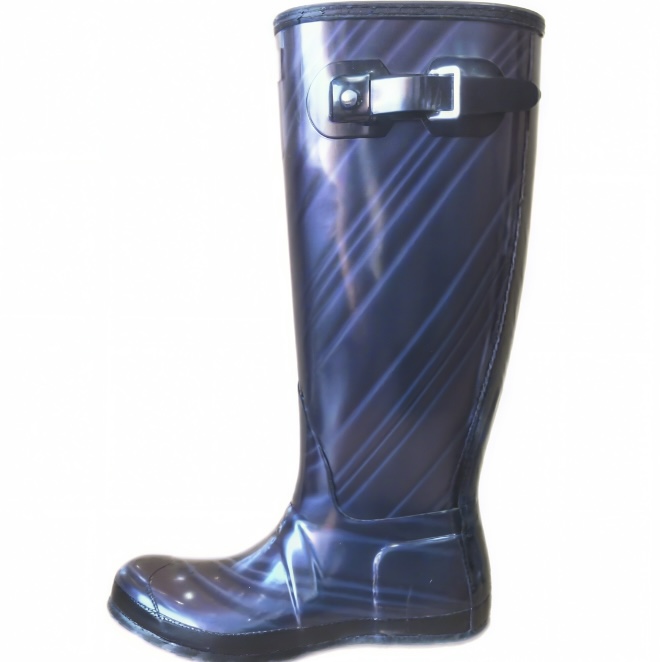
The performance of women's 3D effect boots depends on material compounding and manufacturing processes, rather than just surface design. Most boots use either natural rubber blends, PVC compounds, or a combination of materials, each with distinct properties for wet grip, flexibility, and durability. Outsole pattern is a critical technical element: deep, multi-directional lugs provide better traction than flat soles on wet urban surfaces, with lug depth typically measured in millimeters to ensure consistent contact with slippery ground.
Injection molding and vulcanization are two key production processes that affect fit and waterproof integrity. Seam-free construction, achieved through high-temperature vulcanization, eliminates weak points where water can seep in, while controlled material thickness ensures balance between flexibility and structural support. Professional Rain Boot Manufacturer applies standardized compound formulation to match urban wear requirements, ensuring materials perform consistently across different seasonal temperatures.
Lining selection also impacts wearability: moisture-wicking textile linings reduce foot sweat during long wear, while insulated linings may add bulk for cold winter use. Shaft height, another functional feature, ranges from short ankle-length styles suitable for light rain to mid-calf designs that protect against deep puddles, with adjustments for calf circumference to accommodate different body types.
3. Practical Solutions and Operation Steps
Selecting suitable women's 3D effect boots involves assessing three core factors: functional performance for urban wet conditions, design compatibility with personal style, and long-term wearability. The following steps provide objective, actionable guidance for making informed choices:
- Step 1: Evaluate slip resistance by checking if the outsole pattern matches EN ISO 20344:2021 test requirements for wet surface traction; avoid flat soles with minimal lug depth for urban use.
- Step 2: Test fit by wearing the boots with typical daily socks, ensuring at least a thumb's width of space between the toe and the boot front to prevent blisters during all-day wear.
- Step 3: Assess material flexibility by bending the boot shaft; stiff rubber that does not return to shape quickly may crack after short-term use in temperature fluctuations.
- Step 4: Confirm waterproof construction by inspecting seams and sole bonding; seamless vulcanized boots offer higher resistance to water seepage than glued-seam designs.
- Step 5: Match shaft height to your primary wet scenarios: ankle-length for light rain commuting, mid-calf for frequent exposure to deep puddles, and avoid knee-high styles for urban use to prevent discomfort on crowded sidewalks.
4. Daily Maintenance and Precautions
Proper maintenance extends the lifespan of women's 3D effect boots and preserves their performance over time. Most maintenance steps focus on material care and performance preservation, with specific rules to avoid common mistakes that cause damage. Do not use strong solvents, such as acetone or paint thinner, to clean the boots as these can break down rubber compounds and reduce waterproofing. Never place boots near direct heat sources, such as radiators or open fires, as this causes material warping and cracking.
For routine cleaning, use mild soap and warm water with a soft brush to remove urban road salts, mud, and slush; road salts are particularly damaging to rubber compounds, so prompt cleaning after exposure reduces material degradation. After cleaning, air-dry boots in a cool, well-ventilated area away from direct sunlight, as UV radiation accelerates material breakdown. For storage, stuff boots with acid-free paper or boot shapers to maintain their shape during off-seasons, and avoid storing boots in tightly closed plastic bags that trap moisture and cause mildew.
Additional precautions include: do not use waterproof boots for chemical handling unless they meet EN 13832-3:2018 standards, as regular urban boots are not designed for prolonged chemical contact; and avoid wearing boots in extreme temperatures outside their material specification range, as this reduces flexibility and can cause structural damage.
5. Industry Standard and Parameter Reference
ParameterRecommended ReferenceWhy It Matters
Slip resistanceEN ISO 20344:2021 / EN ISO 20347:2022+A1:2024 where applicableHelps evaluate outsole grip on wet or contaminated urban surfaces.
Occupational footwear requirementsISO 20347:2021 or EN ISO 20347:2022+A1:2024Supports non-safety urban footwear selection for daily use.
Waterproof performanceISO 20344:2021, Section 6.7Tests resistance to water penetration through seams and upper material.
Chemical protective footwearEN 13832-3:2018 where prolonged chemical contact is claimedRelevant for users working near urban chemical residues or cleaning products.
All parameter evaluations must rely on test data from verified laboratories, such as SGS or Intertek, to ensure accuracy. No performance claims should be accepted without reference to these standard test methods, as urban wet conditions vary significantly and generic performance labels may not apply to specific use cases.
6. Customer Common FAQ
Q: Are 3D effect boots more slip-resistant than plain rubber boots for wet urban use?
A: Slip resistance depends on outsole pattern, not surface design. 3D textured surfaces on the upper do not impact grip, while 3D effect outsoles with multi-directional lugs typically provide better traction than flat plain soles. When selecting, always inspect the outsole lug pattern rather than just upper texture.
Q: How do I clean road salt stains from my rubber boots without damaging the material?
A: Mix mild dish soap with lukewarm water, use a soft bristle brush to gently scrub salt-stained areas, then rinse with clean water and air-dry away from heat. Road salt left on rubber accelerates degradation, so prompt cleaning is recommended after exposure to salted winter roads.
Q: Can I use my urban rain boots for gardening or muddy outdoor work?
A: Urban rain boots are designed for paved surfaces; while they provide basic water resistance, their outsole pattern is optimized for smooth concrete rather than deep mud. For heavy muddy work, select boots with deeper lugs that meet EN ISO 20347:2022 requirements for off-road traction, as these have sturdier construction to resist abrasion. Professional Rain Boot Manufacturer can help clarify suitability for specific work tasks.
Q: Why do my new 3D boots feel stiff and difficult to put on?
A: New rubber boots often have a tighter fit due to manufacturing process constraints. To break them in gradually, wear thick socks and walk on flat surfaces for short periods daily for 3-5 days; if the stiffness persists after two weeks, check that the boot shaft circumference matches your calf measurements, as ill-fitting sizing can cause ongoing discomfort.
Conclusion
Selecting women's 3D effect boots for wet urban environments requires balancing style, functional performance, and long-term practicality by focusing on outsole slip resistance, material durability, and proper fit rather than just surface design. By following standardized selection steps and maintenance practices, users can avoid common pain points like slipping, stiffness, and premature degradation. Professional Rain Boot Manufacturer applies industry standards to guide informed choices that meet both daily commuting and personal style needs.
References
- ISO 20344:2021, Footwear – Test methods for whole shoe, International Organization for Standardization
- EN ISO 20347:2022+A1:2024, Occupational footwear, European Committee for Standardization
- EN 13832-3:2018, Chemical protective footwear – Part 3: Requirements for footwear resistant to liquids, European Committee for Standardization
- SGS 2024, Third-party test report on rubber boot slip resistance under urban wet conditions