


Core Practical Values Offered by Cut‑Resistant Durable Work Boots for Construction Site Applications
Aug 13, 2026
View: 0
Leave a message
Meta Description: This blog delves into the core issues related to durable cut-resistant work boots, including common problems, affected scenarios, and solutions. It also covers product and process principles, maintenance tips, and industry standards. Suitable for professionals in construction and other industries, this guide provides valuable insights for making informed choices. Professional Rain Boot Manufacturer
Keywords: Durable cut-resistant boots, work boots, rain boots, rubber boots, boot material, boot maintenance, safety standards
1. Core Problem Analysis
1.1 Common Causes of the Problem
When users search for durable cut-resistant work boots, they often aim to address a variety of issues. One of the primary concerns is the risk of cuts and abrasions in work environments. Sharp objects such as nails, glass, or metal fragments are common hazards on construction sites, which can easily penetrate ordinary boots and cause injuries to the feet. Another issue is comfort; extended periods of wear require boots that provide good cushioning and support to prevent fatigue. Additionally, some work boots may have problems with fit, leading to blisters or restricted movement. Water leakage is also a significant problem in wet working conditions, as it can make the feet wet and uncomfortable, increasing the risk of foot diseases.
1.2 Affected Usage Scenarios
These issues affect a wide range of usage scenarios. Construction sites are the most obvious, where workers are exposed to various sharp objects and rough terrains. Manufacturing plants, especially those involved in metalworking or woodworking, also pose a high risk of cuts and abrasions. In the agricultural sector, farmers may encounter sharp tools and thorns, making durable cut-resistant boots essential. Outdoor maintenance jobs, such as road repair or landscaping, often involve working in wet and rough environments, demanding boots with good waterproof and cut-resistant properties. Warehouse work, where heavy objects are frequently moved and there may be sharp edges on pallets or equipment, also requires reliable work boots.
2. Product and Process Principle
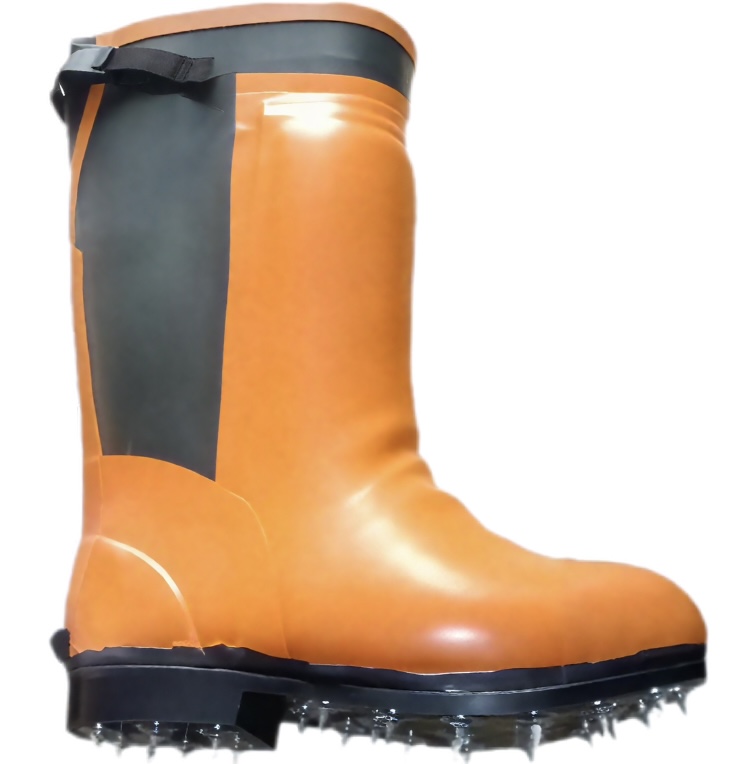
Work boots are typically made from various materials such as PVC, rubber, EVA, and TPR. Rubber is a popular choice for its excellent durability, waterproofing, and abrasion resistance. It can withstand harsh environments and is often used in heavy-duty work boots. PVC is lightweight and cost-effective, making it suitable for general-purpose work boots. EVA provides good cushioning and comfort, and is often used in the midsole of boots. TPR is a thermoplastic elastomer that combines the advantages of rubber and plastic, offering flexibility and durability. The manufacturing process of work boots also plays a crucial role in their performance. Injection molding is a common process for making work boots, which allows for precise control of the shape and thickness of the sole and upper. Vulcanization is another important process, especially for rubber boots, which improves the strength and durability of the rubber by cross-linking its molecules. A seam-free structure can enhance the waterproofing and durability of the boots by reducing the risk of water leakage and seam failure. Professional Rain Boot Manufacturer often pays close attention to these processes to ensure the quality of their products.
3. Practical Solutions and Operation Steps
When choosing durable cut-resistant work boots, several factors should be considered. Firstly, the material selection depends on the specific work environment. For example, in wet or muddy conditions, rubber boots are a good choice, while in environments where weight is a concern, PVC or EVA boots may be more suitable. The shaft height is also important; higher shafts provide better ankle support and protection, but they may limit mobility. For most work scenarios, a shaft height of about 6-8 inches is recommended. The outsole pattern should provide good traction on different surfaces. Deep grooves and multi-directional patterns can enhance grip on wet or slippery floors. Regarding the lining, breathable materials such as mesh or moisture-wicking fabrics can keep the feet dry and comfortable. For sizing, it is best to try on boots at the end of the day when the feet are slightly swollen. Make sure there is enough room in the toe box for the toes to move freely. When it comes to the cut-resistant performance, look for boots with a high cut protection level, which is usually indicated by a rating system. For cold environments, consider boots with good insulation properties, such as those with Thinsulate lining. To ensure the boots fit well and meet the safety requirements, it is advisable to purchase from a reliable supplier and check for relevant certifications. For cleaning, remove dirt and debris with a soft brush or cloth. For stubborn stains, use a mild detergent and warm water, but avoid using harsh chemicals that may damage the boots. After cleaning, let the boots air dry at room temperature, away from direct sunlight or heat sources. When storing the boots, keep them in a cool, dry place and avoid stacking heavy objects on them to prevent deformation.
4. Daily Maintenance and Precautions
Proper daily maintenance of work boots can extend their lifespan and ensure their performance. After each use, clean the boots to remove dirt, mud, and other contaminants. This not only keeps the boots looking good but also prevent the build-up of substances that may damage the materials. Use a soft brush to clean the outsole and upper, and then wipe them with a damp cloth. If the boots are very dirty, you can soak them in a mild soapy water solution and gently scrub with a brush. Rinse thoroughly and let them air dry naturally. Avoid using a dryer or placing the boots near a heater, as high temperatures can cause the materials to crack or shrink. To remove odors, you can sprinkle baking soda inside the boots and leave it overnight, then shake it out in the morning. To prevent aging, avoid exposing the boots to direct sunlight for long periods, as UV rays can cause the materials to deteriorate. Also, keep the boots away from chemicals such as solvents, acids, or alkalis, as they can damage the materials. Do not use ordinary rain boots as a substitute for certified safety boots in hazardous work environments, as they may not provide the necessary protection. For example, in a construction site where there is a risk of falling objects, safety boots with a steel toe cap are required to protect the feet from injuries.
5. Industry Standard and Parameter Reference
This section provides important international standards and parameters for evaluating durable cut-resistant work boots:
ParameterRecommended ReferenceWhy It Matters Slip resistanceEN ISO 20344:2021 / EN ISO 20347:2022+A1:2024 where applicableHelps evaluate outsole grip on wet or contaminated surfaces, reducing the risk of slips and falls. Occupational footwear requirementsISO 20347:2021 or EN ISO 20347:2022+A1:2024Supports non-safety occupational footwear selection, ensuring the boots meet the basic requirements for work. Safety toe footwearASTM F2413-24 where protective toe performance is claimedRelevant only when the boot is designed and marked as protective safety footwear, guaranteeing the protection of the toes from impact and compression. Chemical protective footwearEN 13832-3:2018 where prolonged chemical contact is claimedUseful for chemical degradation and permeation evaluation, protecting the feet from chemical hazards. Cut resistanceEN 388:2016 or ANSI/ISEA 105-2016Measures the ability of the boot to resist cuts, providing a reference for choosing boots in high-risk cut environments. Do not invent exact performance numbers. Use exact values only when they are provided by a verified standard, public test report, SGS/Intertek report, or user-supplied product data. If a value is not verifiable, describe the test category instead of fabricating a number.
6. Customer Common FAQ
Q: How do I choose the right material for my work boots?
A: The choice of material depends on your work environment. If you work in wet or muddy conditions, rubber boots are a good option due to their waterproof and durable properties. For general-purpose work with less exposure to moisture, PVC or EVA boots can be more lightweight and cost-effective. If you require high cut resistance, boots with a cut-resistant lining or upper material are recommended. A Professional Rain Boot Manufacturer can provide more detailed advice based on your specific needs.
Q: How can I ensure the boots have good防滑性能?
A: Look for boots that meet the relevant slip resistance standards, such as EN ISO 20344:2021 or EN ISO 20347:2022+A1:2024. Check the outsole pattern; deep grooves and multi-directional patterns usually provide better traction on wet or slippery surfaces. Some boots also have special tread compounds designed to improve grip.
Q: What size of boots should I choose?
A: It is best to try on boots at the end of the day when your feet are slightly swollen. Make sure there is about a half-inch of space between the longest toe and the end of the boot. The boots should fit snugly around the heel and ankle without being too tight. If you are unsure about the size, consult the sizing chart provided by the manufacturer or a salesperson.
Q: How do I get rid of the odor in my work boots?
A: You can sprinkle baking soda inside the boots and leave it overnight, then shake it out in the morning. Another option is to use odor-absorbing insoles or place tea bags inside the boots. Make sure to keep the boots clean and dry to prevent odor from forming in the first place.
Q: Can I use my work boots in cold weather?
A: It depends on the insulation properties of the boots. If the boots are designed for cold weather, they usually have a thick lining, such as Thinsulate, to keep your feet warm. Check the product description or consult the manufacturer to see if the boots are suitable for the temperature range you will be working in.
Conclusion
In conclusion, durable cut-resistant work boots are essential for various work environments. By understanding the core problems, product and process principles, practical solutions, maintenance tips, industry standards, and common FAQs, users can make informed decisions when choosing and using work boots. A Professional Rain Boot Manufacturer can offer valuable guidance and high-quality products to meet the specific needs of different users. Remember to select the right boots based on your work environment, perform regular maintenance, and follow the relevant safety standards to ensure the safety and comfort of your feet.
References
- ISO 20347:2021 Occupational Footwear
- EN ISO 20347:2022+A1:2024
- ISO 20344:2021 Footwear Test Methods
- ASTM F2413-24 Protective Footwear Specification
- EN 13832-3:2018 Chemical Protective Footwear