


Eye-Catching Fantasy-Colored Kids' Boots: Key Functional Perks for Children's Outdoor Exploration
Aug 13, 2026
View: 0
Leave a message
Meta Description: This blog delves into the world of kid fantasy color boots, addressing core issues like leakage, sizing, and comfort. It's tailored for parents seeking suitable rain boots for children in various outdoor scenarios. Through in - depth analysis of materials, processes, and usage tips, it offers practical guidance. Professional Rain Boot Manufacturer offers valuable insights on production and selection standards.
Keywords: Kid Fantasy Color Boots, Rain Boots, Waterproof Boots, Boot Material, Boot Maintenance, Outdoor Exploration
1. Core Problem Analysis
1.1 Common Causes of the Problem
When parents search for kid fantasy color boots, they often face several issues. Leakage is a significant concern; it can result from poor material quality, such as using low - grade PVC that may have micro - cracks, or from flawed craftsmanship where the seams of the boot are not properly sealed. Another problem is sizing. Children's feet grow rapidly, so getting the right size can be tricky. If the boots are too tight, they can restrict foot movement and cause discomfort; if they are too loose, kids may trip easily. Foot - feeling issues are also common. For instance, cheap materials may not be breathable, leading to sweaty and smelly feet during long - term wear.
1.2 Affected Usage Scenarios
These problems can affect various usage scenarios for kids. In rainy days, leakage can make children's feet wet, increasing the risk of catching a cold. When kids are playing in muddy fields or puddles during outdoor exploration, improper sizing can let mud and water seep in more easily. During school sports or outdoor activities, uncomfortable boots can distract kids from fully enjoying the games and may even cause foot fatigue. For example, if a child is running in boots that are too tight, it can limit their agility and speed.
2. Product and Process Principle
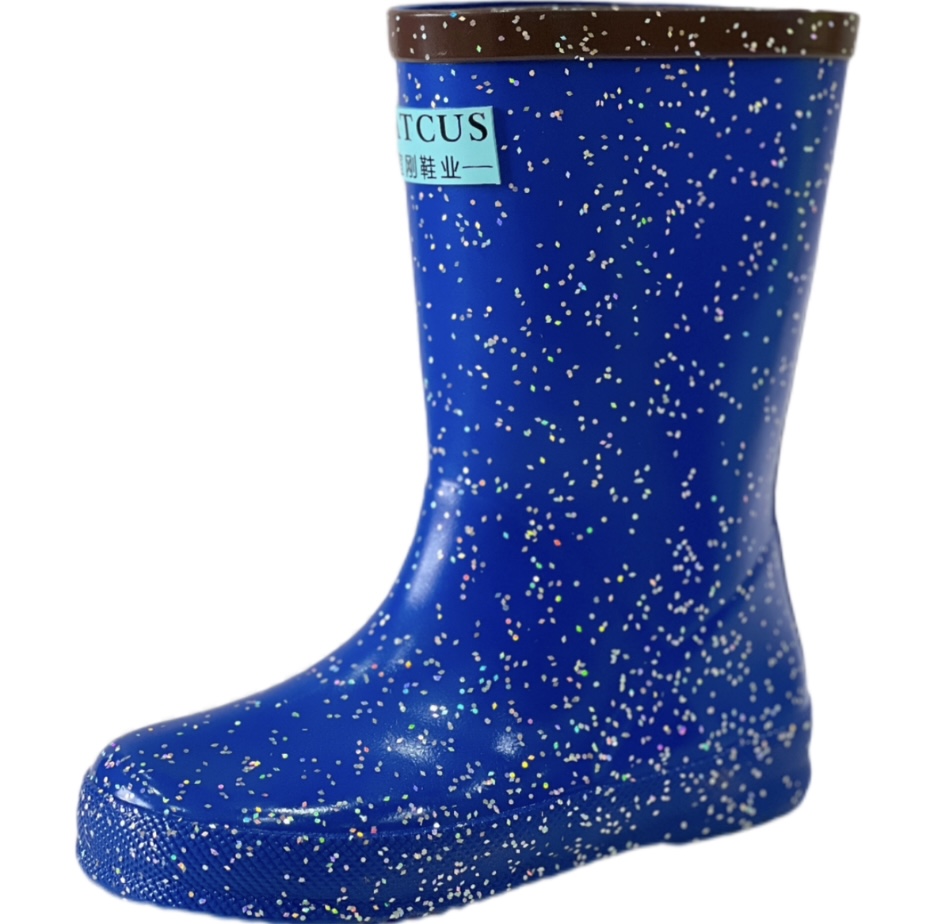
Modern kid fantasy color boots are made from a variety of materials and through different processes. Material selection is crucial. PVC is a commonly used material due to its low cost and ease of processing. It can be easily molded into various shapes and colors, which is ideal for creating fantasy - colored boots. However, it has some drawbacks, such as being less breathable and more prone to hardening in cold temperatures. Rubber, on the other hand, offers better flexibility, waterproofness, and cold - resistance. It provides a more comfortable fit and can withstand more wear and tear. For the sole, the outsole pattern is designed to enhance grip. A deep - groove pattern, for example, can increase friction on wet or slippery surfaces, similar to the pattern on automobile tires. The shaft height is also an important factor. A higher shaft can provide more protection from water splashing and mud, but it may limit the child's ankle movement. Some boots use lining materials to improve comfort. Breathable and moisture - wicking linings can keep children's feet dry and fresh. Regarding the manufacturing process, injection molding is widely used for PVC boots. The PVC material is heated until it becomes liquid and then injected into a mold. This process allows for high - precision production and is suitable for mass production. For rubber boots, vulcanization is a key process. It involves heating the rubber with sulfur, which makes the rubber more durable, elastic, and resistant to heat and chemicals. Professional Rain Boot Manufacturer, with their expertise in production and process control, can ensure the quality and performance of these boots by strictly following these principles and standards.
3. Practical Solutions and Operation Steps
When choosing kid fantasy color boots, here are some practical steps. First, consider the material. For outdoor activities in warm weather, PVC boots can be a cost - effective choice. However, if the child will be in cold or wet conditions for a long time, rubber boots are more suitable. Second, pay attention to the size. Measure your child's feet accurately, and it's advisable to leave a little extra room for growth. Some boots come with adjustable features, such as laces or straps, which can help ensure a proper fit. Third, examine the outsole pattern. A pattern with deep grooves and a wide contact area can provide better traction. Look for boots marked with relevant slip - resistant standards, like those meeting EN ISO 20344:2021 requirements. Fourth, check the lining. A breathable and moisture - wicking lining, such as a polyester or nylon blend, can improve comfort. As for cleaning, use mild soap and a soft brush to clean the boots after each use. Avoid using harsh chemicals that can damage the material. For storage, keep the boots in a cool, dry place away from direct sunlight. If possible, stuff the boots with paper to help maintain their shape.
4. Daily Maintenance and Precautions
For daily maintenance, it's important to clean the boots promptly after use. Mud and dirt can accumulate in the grooves of the outsole and the seams of the boot, which may cause premature wear and leakage over time. After cleaning, let the boots dry naturally in a well - ventilated area. Avoid using a heater or direct sunlight to dry them quickly, as this can cause the material to warp or crack. To remove odors, you can place a small amount of baking soda inside the boots overnight. Regarding anti - aging, avoid exposing the boots to extreme temperatures and chemicals. For example, don't let the boots come into contact with gasoline or strong acids, as these can damage the material. As for anti - deformation, when not in use, store the boots upright or stuff them with paper to maintain their shape. It's also important to note that you should not use regular boots as safety boots without proper certification. Regular boots may not meet the necessary safety standards, such as anti - puncture or anti - slip requirements in industrial or special environments.
5. Industry Standard and Parameter Reference
This section provides authoritative references for the industry. The following table shows some important parameters, reference standards, and their significance:
ParameterRecommended ReferenceWhy It MattersSlip resistanceEN ISO 20344:2021 / EN ISO 20347:2022+A1:2024 where applicableHelps evaluate outsole grip on wet or contaminated surfaces, reducing the risk of children slipping and falling.Occupational footwear requirementsISO 20347:2021 or EN ISO 20347:2022+A1:2024Although kids may not be in an occupational setting, these standards can still provide a reference for the quality and performance of the boots, such as durability and comfort.Chemical protective footwearEN 13832 - 3:2018 where prolonged chemical contact is claimedUseful for evaluating the boots' ability to resist chemicals in case the child accidentally comes into contact with harmful substances during outdoor exploration.
When evaluating the performance of boots, it's important to rely on these standards. Do not invent exact performance numbers. Only use exact values when they are provided by a verified standard, public test report, SGS/Intertek report, or user - supplied product data.
6. Customer Common FAQ
Q: Which material is better for kid fantasy color boots, PVC or rubber?
A: It depends on the specific usage scenario. PVC boots are more cost - effective and can be easily made into various colors and shapes. However, they are less breathable and more rigid, and may harden in cold weather. Rubber boots, on the other hand, offer better flexibility, waterproofness, and cold - resistance. They are more durable and comfortable for long - term wear, especially in cold and wet conditions. Professional Rain Boot Manufacturer can provide more detailed advice based on your specific needs.
Q: How do I choose the right size for my child's boots?
A: First, measure your child's feet accurately using a foot - measuring tool. When selecting the size, leave about 1 - 1.5 cm of extra room at the front of the boot to allow for foot growth. You can also try on the boots with the child's usual socks. The boots should fit snugly around the heel and ankle without being too tight.
Q: My child's boots have a strong odor. How can I remove it?
A: Place a small amount of baking soda inside the boots overnight. Baking soda can absorb odors effectively. You can also try using a fabric freshener spray specifically designed for shoes, but make sure it is safe for children. Additionally, ensure the boots are well - ventilated and dry after each use to prevent odor buildup.
Q: Can I wash my child's boots in the washing machine?
A: It's not recommended. Most kid fantasy color boots are made of materials that may be damaged by the agitation and spinning in the washing machine. It's best to clean them by hand using mild soap and a soft brush. If the boots have stubborn stains, you can soak them in a mild soap solution for a short time before gently scrubbing.
Q: Do these boots need to meet any safety standards?
A: Yes, they should meet certain standards. For example, in terms of slip resistance, they should meet relevant international standards like EN ISO 20344:2021 to ensure the safety of children on wet or slippery surfaces. Professional Rain Boot Manufacturer often adheres to these standards during the production process to guarantee the quality and safety of the boots.
Conclusion
In conclusion, when selecting kid fantasy color boots, it's essential to consider factors such as material, size, outsole pattern, and lining. By understanding the product and process principles, you can make a more informed decision. Following daily maintenance tips, such as proper cleaning and storage, can extend the lifespan of the boots. It's also important to refer to industry standards to ensure the quality and safety of the boots. Professional Rain Boot Manufacturer can offer valuable guidance from production to selection, helping parents find the most suitable boots for their children's outdoor exploration.