


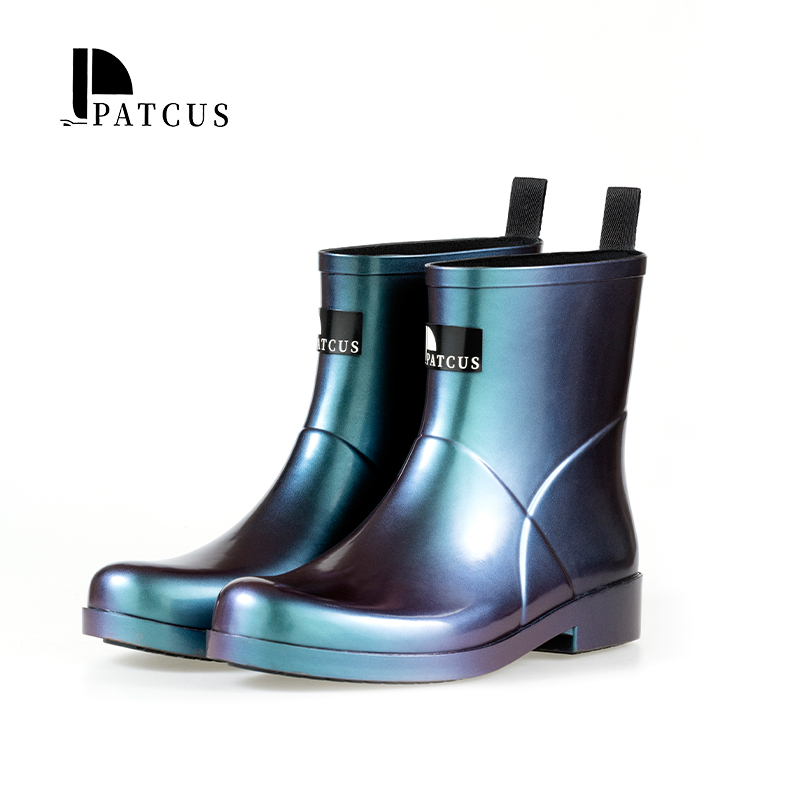
Fantasy-Colored Fashion Rubber Rain Boots for Men: Stylish Waterproof Gear for Rainy Outdoor Pursuits
Aug 13, 2026
View: 0
Leave a message
Meta Description: This article delves into the world of men's fantasy - colored rubber rain boots, addressing common problems like sizing, durability, and maintenance. It's tailored for men who engage in rainy outdoor activities, such as hiking, fishing, or farming. A Professional Rain Boot Manufacturer provides insights into product knowledge and industry standards.
Keywords: rain boots, rubber rain boots, men's rain boots, rain boot material, rain boot maintenance, rain boot selection, waterproof boots
1. Core Problem Analysis
1.1 Common Causes of the Problem
When searching for men's fantasy - colored rubber rain boots, users often face several issues. One of the most common problems is sizing. Ill - fitting boots can lead to discomfort, blisters, and even affect walking posture. Another problem is durability. The boots may be exposed to rough terrains, sharp objects, and harsh chemicals, which can cause wear and tear, such as cracking or puncturing. Additionally, foot comfort is crucial. If the boots lack proper ventilation, the feet may become sweaty and smelly, leading to an unpleasant experience. Some users may also be concerned about the boots' slip resistance, especially when walking on wet or slippery surfaces.
1.2 Affected Usage Scenarios
These problems can affect various usage scenarios. For outdoor enthusiasts who enjoy fishing, muddy riverbanks and wet boat decks require boots with good traction and durability. Hikers may encounter rocky paths, wet grasslands, and streams, so the boots need to be waterproof, durable, and comfortable for long - distance walking. In farming, boots are exposed to mud, fertilizers, and pesticides, so they must be resistant to chemicals and easy to clean. For rainy commuting, the boots should be stylish enough to match the daily outfit while providing reliable waterproofing.
2. Product and Process Principle
Modern men's rubber rain boots are typically made from various materials, with natural rubber and synthetic rubber being the most common. Natural rubber offers excellent waterproofing, flexibility, and durability. It has a high elastic property, allowing the boots to stretch and return to their original shape. Synthetic rubber, on the other hand, can be engineered to have specific properties, such as better resistance to oil, chemicals, and abrasion.
The manufacturing process of rubber rain boots involves several key steps. One common method is injection molding. In this process, molten rubber is injected into a mold under high pressure. This allows for precise shaping and produces boots with uniform thickness. Another important process is vulcanization. Vulcanization is a chemical process that cross - links the rubber molecules, enhancing the boots' strength, elasticity, and resistance to heat and aging.
Some high - end boots may also feature a seamless structure. This is achieved through advanced manufacturing techniques, which eliminate the seams that could potentially be a weak point for water leakage. The lining of the boots can vary, with materials like cotton, wool, or synthetic fabrics. A proper lining can enhance comfort, provide insulation, and wick away moisture. A Professional Rain Boot Manufacturer carefully selects materials and controls the manufacturing process to ensure the quality of the boots.
3. Practical Solutions and Operation Steps
When choosing men's fantasy - colored rubber rain boots, consider the following steps:
- Material Selection: If you need boots for heavy - duty use, such as farming or construction, natural or synthetic rubber with high durability is recommended. For casual use and a lower budget, PVC boots can be an option, though they may be less durable in cold weather. EVA boots are lightweight and comfortable, suitable for short - term or light - duty use.
- Boot Shaft Height: For deeper water or more protection, choose high - shaft boots that cover the calves. Mid - calf boots offer a balance between protection and flexibility. Low - shaft boots are more suitable for shallow water or when you need more ankle mobility.
- Outsole Pattern: Look for boots with deep, multi - directional grooves or patterns. These patterns can provide better grip on wet, muddy, or slippery surfaces. For specific terrains, such as rocky or grassy areas, choose boots with specialized outsole designs.
- Lining: If you'll be using the boots in cold weather, a warm lining like wool or fleece is advisable. For warm weather or high - activity use, a breathable and moisture - wicking lining can keep your feet dry and comfortable.
- Size: Measure your feet accurately and refer to the manufacturer's size chart. Try on the boots with the socks you plan to wear. Ensure there is enough room for your toes to move freely but not so much that your feet slide inside the boots.
- Certifications: If you need the boots for specific work environments, check for relevant certifications. For example, if working with electricity, look for boots with electrical insulation certification. For chemical - exposed work, ensure the boots meet the appropriate chemical resistance standards.
4. Daily Maintenance and Precautions
Proper maintenance can extend the lifespan of your men's rubber rain boots. Here are some suggestions:
- Cleaning: After each use, rinse the boots with clean water to remove dirt, mud, and chemicals. Use a mild soap if necessary, but avoid using harsh chemicals or abrasive cleaners that can damage the rubber. Gently scrub the boots with a soft brush, especially in the crevices and around the seams.
- Drying: After cleaning, dry the boots naturally. Avoid placing them in direct sunlight or near a heat source, as this can cause the rubber to crack or deform. Stuff the boots with newspaper to help absorb moisture and maintain their shape.
- Deodorizing: To remove odors, you can place a small amount of baking soda or activated charcoal inside the boots overnight. You can also sprinkle some foot powder inside the boots to keep them fresh.
- Anti - aging: Apply a rubber conditioner or protector periodically to prevent the rubber from drying out and cracking. Store the boots in a cool, dry place away from sunlight and ozone - producing sources.
- Avoiding Hazards: Do not use the boots on extremely sharp objects that can puncture the rubber. Do not expose the boots to high - temperature or open - flame sources. Do not use ordinary rain boots in place of certified safety boots in hazardous work environments.
5. Industry Standard and Parameter Reference
This section lists important international standards and test methods for rain boots:
ParameterRecommended ReferenceWhy It MattersSlip resistanceEN ISO 20344:2021 / EN ISO 20347:2022+A1:2024 where applicableHelps evaluate outsole grip on wet or contaminated surfaces.Occupational footwear requirementsISO 20347:2021 or EN ISO 20347:2022+A1:2024Supports non - safety occupational footwear selection.Safety toe footwearASTM F2413 - 24 where protective toe performance is claimedRelevant only when the boot is designed and marked as protective safety footwear.Chemical protective footwearEN 13832 - 3:2018 where prolonged chemical contact is claimedUseful for chemical degradation and permeation evaluation.
Do not invent exact performance numbers. Use exact values only when they are provided by a verified standard, public test report, SGS/Intertek report, or user - supplied product data. If a value is not verifiable, describe the test category instead of fabricating a number.
6. Customer Common FAQ
Q: How do I choose the right material for my rain boots?
A: The choice of material depends on your usage scenario. For heavy - duty work and long - term use, natural or synthetic rubber is a good option due to its durability. If you want something lightweight for casual use, EVA or PVC can be considered. A Professional Rain Boot Manufacturer can also provide guidance based on your specific needs.
Q: Are fantasy - colored rubber rain boots less durable than regular ones?
A: Not necessarily. The durability mainly depends on the material and manufacturing process. High - quality fantasy - colored boots made from good - quality rubber and with proper vulcanization can be just as durable as regular boots.
Q: How can I tell if the boots are the right size?
A: Measure your feet accurately and refer to the manufacturer's size chart. Try on the boots with the appropriate socks. Your toes should have enough room to move, and your heel should fit snugly without slipping.
Q: What should I do if my boots have a strong odor?
A: You can place baking soda or activated charcoal inside the boots overnight to absorb the odor. You can also sprinkle foot powder for a fresh smell. If the odor persists, it may be due to bacteria growth, so make sure to clean and dry the boots properly.
Q: Can I wear these boots in cold weather?
A: It depends on the material. Natural rubber and some synthetic rubbers can maintain flexibility in cold weather. However, PVC boots may become hard and brittle. If you need to use the boots in cold weather, look for boots with a warm lining or choose a more cold - resistant material.
Conclusion
In conclusion, when choosing men's fantasy - colored rubber rain boots, it's essential to consider factors such as material, shaft height, outsole pattern, lining, and size. Understanding the product and process principles can help you make a more informed decision. Regular maintenance and following safety precautions can extend the lifespan of the boots. A Professional Rain Boot Manufacturer can provide valuable insights into the selection and maintenance of the boots, ensuring that you get the most suitable product for your needs.
References
- Boyan Consulting & Market Research Online. Analysis Report on Market Scale and Competitive Landscape of China's Rain Boot Industry, 2026.
- Rain Gear Network. Material Evolution and Functional Differentiation of Rain Boots: Industry Observation From Basic Waterproofing to Scenario-Based Adaptation, 2026-06-06.
- Market Development Analysis, Prospect Outlook and Investment Research Report of China's Anti-Static Rain Boot Industry (2026–2030).
- Market Development Analysis, Prospect Trend and Investment Research Report of China's Rubber Rain Boot Industry (2026–2030).
- Market Share and Competitive Landscape of China's Knee-High Rain Boot Market, 2025.