


Heavy-Duty Mud-Proof Tree Planting Rubber Boots: Superior Sealed Waterproof Performance for Forestry & Landscaping Merchants
Aug 13, 2026
View: 0
Leave a message
Meta Description: This article delves into the core concerns of tree planting boots, such as material selection, sizing, and maintenance. It's tailored for forestry and landscaping merchants, as well as those in muddy outdoor work. By explaining product and process principles and offering practical solutions, it serves as a comprehensive guide. Professional Rain Boot Manufacturer
Keywords: Tree planting boots, Rubber boots, Waterproof boots, Boot material, Boot maintenance, Boot process, Muddy work boots
1. Core Problem Analysis
1.1 Common Causes of the Problem
When it comes to tree planting boots, users often encounter several issues. Leakage can be a significant problem, usually caused by wear - and - tear on the seams or damage to the waterproofing material. Cracking may occur due to long - term exposure to harsh environmental conditions, such as extreme cold or contact with chemicals. A stuffy feeling in the boots is commonly caused by a lack of breathability in the material. Insufficient slip resistance can be due to worn - out sole patterns or the use of inappropriate sole materials. Incorrect sizing can lead to discomfort, blisters, or reduced mobility. Material aging can be accelerated by factors like sunlight, heat, and improper storage. Lastly, difficulties in cleaning or maintaining the boots often stem from a lack of knowledge about the appropriate cleaning agents and methods for the specific boot material.
1.2 Affected Usage Scenarios
The affected usage scenarios are mainly related to forestry and landscaping work, such as tree planting, forest maintenance, and garden landscaping projects. Muddy outdoor work in general, like construction work in moist or muddy areas, is also impacted. Fishing in marshy areas, or even some forms of farming that require walking through wet or muddy fields, could pose challenges if the tree - planting boots are not functioning properly.
2. Product and Process Principle
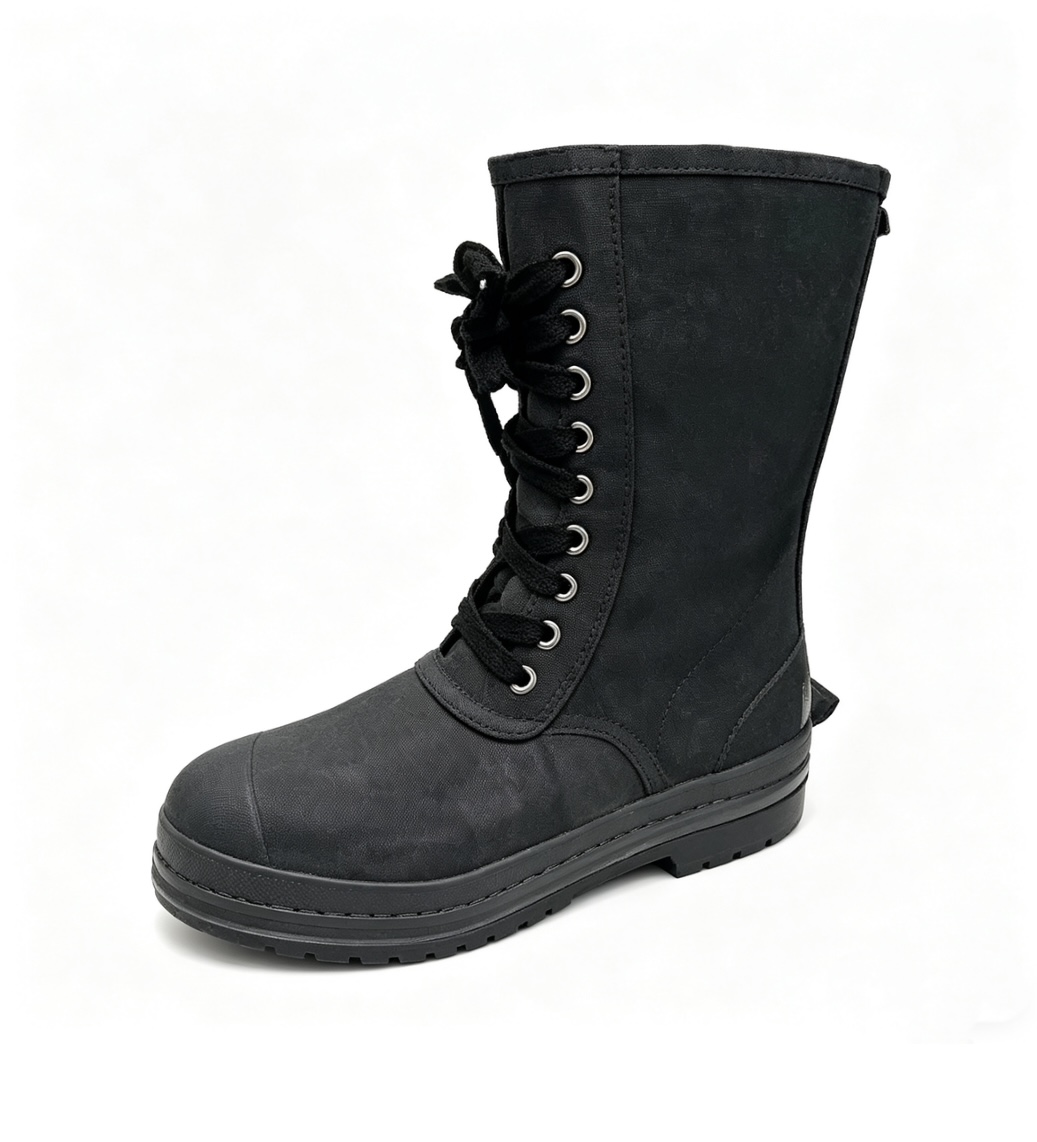
Tree planting boots are commonly made from materials such as rubber, PVC, EVA, and TPR. Rubber, especially natural rubber, offers excellent elasticity, wear - resistance, and waterproof properties. It is often used for high - quality boots. The process of making rubber boots typically involves vulcanization, a chemical process that heats the rubber with sulfur to increase its strength, durability, and elasticity. Synthetic rubbers, like butyl rubber or neoprene, can be used to enhance specific properties, such as resistance to chemicals or extreme temperatures.
PVC is another popular material. It is a synthetic plastic polymer, and PVC boots are usually produced through injection molding. This highly automated process is cost - effective, making PVC boots a more economical choice. PVC boots can be adjusted to different levels of flexibility and hardness by adding various additives. EVA is known for its lightness, shock - absorption, and insulation properties. It is a closed - cell foam material that provides good waterproofing and comfort. TPR combines the properties of rubber and plastic, offering flexibility, wear - resistance, and good grip. The sole pattern of tree planting boots is designed to provide maximum traction on muddy and uneven surfaces. Deeper and more complex treads are often used to dig into the mud and prevent slipping. The shaft height of the boots varies based on the application; higher shafts can protect the legs from mud, water, and debris in more extreme conditions. The lining of the boots can be made from materials like cotton, polyester, or even synthetic fabrics that offer comfort and moisture - wicking properties. Professional Rain Boot Manufacturer can ensure that these materials are selected and processed properly to meet the specific needs of users in tree - planting and other related work.
3. Practical Solutions and Operation Steps
### Material Selection
- If you are going to be in a highly chemical - exposed environment, PVC or rubber boots with good chemical resistance are recommended. For example, for tree - planting in an area with chemical fertilizers or pesticides, PVC boots can be a good choice. If comfort and long - term flexibility are your priorities, natural rubber boots may be better. For those on a budget, PVC boots are more economical. If you need lightweight boots for less strenuous but still wet work, EVA boots could be considered.
### Shaft Height
- In deep mud or areas with high water levels, choose boots with a high shaft, usually above the ankle and up to the calf. For less muddy areas or more casual use, mid - shaft or low - shaft boots can be more comfortable and flexible.
### Sole Pattern
- Look for boots with deep, wide - spaced treads for better traction in muddy conditions. Treads with a directional pattern can also improve forward and backward movement on uneven ground.
### Lining
- For warm - weather work, choose a breathable lining, such as cotton or a moisture - wicking synthetic fabric. In cold weather, a thick, insulating lining like fleece or wool can keep your feet warm.
### Sizing
- Measure your feet accurately before purchasing. Consider wearing the type of socks you will be using while working in the boots and measure accordingly. Boots should fit snugly but not be too tight, allowing some room for your feet to move and expand slightly during long - term use.
### Cold and Slip Resistance
- If working in cold conditions, consult the ISO 20347:2021 or EN ISO 20347:2022+A1:2024 standards for appropriate cold - resistance ratings. For slip resistance, check if the boots meet the EN ISO 20344:2021 / EN ISO 20347:2022+A1:2024 requirements to ensure good grip on wet or contaminated surfaces.
### Cleaning and Storage
- After use, clean the boots with clean water and a mild soap. Avoid using harsh chemicals or strong solvents that may damage the material. Dry the boots in a cool, ventilated place, away from direct sunlight or heat sources. Store the boots in a dry place, and if possible, stuff them with newspaper to keep their shape.
4. Daily Maintenance and Precautions
### Cleaning
- Regularly clean tree - planting boots to remove mud, dirt, and other debris. Use a soft - bristle brush to scrub the boots gently. For stubborn stains, use a mild detergent solution. Avoid using abrasive cleaners or strong chemicals that can degrade the material of the boots. Rinse the boots thoroughly with clean water after cleaning to remove any soap residue.
### Drying
- After cleaning or getting wet, dry the boots properly. Do not leave them in direct sunlight or near a heat source, as this can cause the material to crack, warp, or lose its waterproofing properties. Instead, place the boots in a well - ventilated, cool area to dry naturally. You can stuff the boots with newspaper to absorb moisture and help maintain their shape.
### Deodorizing
- If the boots develop an odor, you can use natural deodorizers like baking soda. Sprinkle a small amount of baking soda inside the boots and let it sit overnight. Then, shake out the baking soda the next day. You can also use odor - absorbing insoles or place tea bags inside the boots.
### Anti - aging and Anti - deformation
- To prevent material aging, keep the boots away from sunlight and chemical substances. Avoid folding or compressing the boots for long periods during storage. Use boot trees or stuff them with soft materials to maintain their shape. Do not store the boots in a damp environment, as this can accelerate mold growth and material deterioration.
### Cold Storage
- If storing the boots in cold temperatures, make sure they are completely dry. Consider wrapping them in a protective layer, such as a fabric bag, to prevent them from getting scratched or damaged. PVC boots may become brittle in extremely cold conditions, so special care should be taken to store them at an appropriate temperature.
### Chemical Contact
- If the boots come into contact with chemicals, refer to the chemical's safety data sheet for proper cleaning and decontamination procedures. In general, rinse the boots immediately with a large amount of clean water and follow up with a mild detergent cleaning if necessary. Keep in mind that exposure to certain chemicals may permanently damage the boots, so if significant damage occurs, it may be necessary to replace them. Never use ordinary rain boots to replace certified safety boots in environments that require safety boots, as they may not provide the necessary protection.
5. Industry Standard and Parameter Reference
This chapter is the authoritative support module of the full text and must list international standards, test methods, or verifiable parameters closely related to the article theme. The following table summarizes key parameters:
ParameterRecommended ReferenceWhy It MattersSlip resistanceEN ISO 20344:2021 / EN ISO 20347:2022+A1:2024 where applicableHelps evaluate outsole grip on wet or contaminated surfaces.Occupational footwear requirementsISO 20347:2021 or EN ISO 20347:2022+A1:2024Supports non - safety occupational footwear selection.Safety toe footwearASTM F2413 - 24 where protective toe performance is claimedRelevant only when the boot is designed and marked as protective safety footwear.Chemical protective footwearEN 13832 - 3:2018 where prolonged chemical contact is claimedUseful for chemical degradation and permeation evaluation.
Do not invent exact performance numbers. Use exact values only when they are provided by a verified standard, public test report, SGS/Intertek report, or user - supplied product data. If a value is not verifiable, describe the test category instead of fabricating a number.
6. Customer Common FAQ
Q: How do I choose the right material for tree - planting boots?
A: The choice of material depends on your needs. If you need long - term comfort and flexibility, natural rubber is a great option. For cost - effectiveness and chemical resistance, PVC may be better. Professional Rain Boot Manufacturer can offer more in - depth advice based on your specific working conditions.
Q: Are the boots slip - resistant?
A: Slip resistance can be evaluated according to EN ISO 20344:2021 / EN ISO 20347:2022+A1:2024. You should check if the boots meet these standards before purchasing to ensure good grip on wet or muddy surfaces.
Q: How do I know if the boots fit me?
A: Measure your feet accurately and consider the type of socks you will wear. Boots should fit snugly but allow some movement. Try them on and walk around to see if there are any uncomfortable areas or pressure points.
Q: Why do my new boots have a strong odor?
A: New boots may have an odor due to the manufacturing process or the materials used. You can use methods like using baking soda or tea bags to remove the odor. Never use chemical deodorizers that may damage the boots.
Q: Can the boots crack in cold weather?
A: Some materials, like PVC, may become brittle and crack in extremely cold conditions. Check the cold - resistance rating of the boots according to ISO 20347:2021 or EN ISO 20347:2022+A1:2024 to ensure they are suitable for cold - weather use.
Conclusion
This article has comprehensively covered various aspects of tree planting boots, including core problems, product and process principles, practical solutions, daily maintenance, industry standards, and common FAQs. When choosing tree - planting boots, it is crucial to consider factors such as material, shaft height, sole pattern, and sizing based on your specific working conditions. Adhering to proper maintenance procedures can significantly extend the lifespan of the boots. Professional Rain Boot Manufacturer can provide professional guidance on material selection and production processes to help you make the best choice.