


How Acid and Oil Resistant Work Boots Excel in Harsh Chemical Handling Environments
Sep 17, 2026
View: 0
Leave a message
Meta Description: This article delves into the challenges of using work boots in harsh chemical handling environments. It explores the causes, affected scenarios, product and process principles, practical solutions, maintenance tips, industry standards, and common FAQs. Ideal for professionals in chemical - related fields, this guide provides valuable insights. Professional Rain Boot Manufacturer
Keywords: acid and oil resistant work boots, chemical handling, work boot materials, work boot maintenance, safety standards
1. Core Problem Analysis
1.1 Common Causes of the Problem
When dealing with acid and oil resistant work boots, users often face several issues. Material degradation is a primary concern. Acidic and oily substances can react with the boot materials, gradually breaking down the materials over time. For example, some low - quality rubber materials may lose their elasticity and integrity when exposed to strong acids or oils. Another problem is the compromise of safety features. The chemical exposure can affect the anti - slip properties of the outsole or the protective strength of the safety toe. Additionally, improper fitting of the boots can also lead to discomfort and potential safety risks. This may happen if the boots are not sized correctly for the wearer or if the chemical substances cause the boots to shrink or expand.
1.2 Affected Usage Scenarios
These problems are prevalent in various usage scenarios. In chemical manufacturing plants, workers are constantly exposed to a wide range of acids and oils during the production process. They may accidentally spill chemicals on their boots, which can lead to rapid damage. In laboratories, researchers handle different chemicals, and even small splashes need to be guarded against to protect the feet. Waste management facilities dealing with chemical waste also pose a high - risk environment. Workers here may come into contact with both acids and oils in waste disposal processes. Oil refineries are another critical scenario. The boots are exposed to various petroleum - based oils and acidic by - products during oil extraction, refining, and storage operations.
2. Product and Process Principle
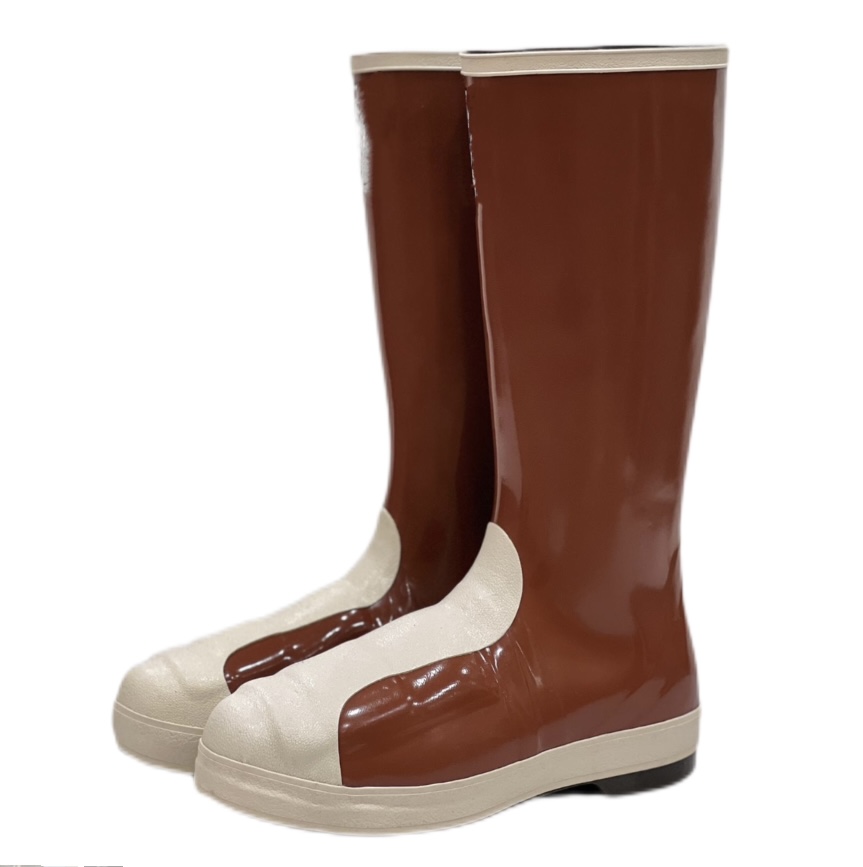
Work boots designed to resist acid and oil are made using materials and processes that provide protection. Chloroprene or neoprene rubber is often used in these boots as it has excellent resistance to a wide range of acids and oils. The polymer structure of this rubber has strong bonds that prevent acids and oils from easily breaking them down. Nitrile rubber is another option. It shows good resistance to chemicals, particularly oils and fuels. In the manufacturing process, techniques like vulcanization are crucial. Vulcanization is a chemical process that cross - links the polymer chains in the rubber, enhancing its strength, durability, and resistance to degradation. Another aspect is the liner used in the boots. A chemical - resistant liner, such as one made from polyvinyl chloride (PVC), can provide an additional layer of protection between the foot and the outer boot. Professional Rain Boot Manufacturer plays a key role in ensuring these materials are sourced and processed correctly to meet the required safety standards. They have in - depth knowledge of the properties of different materials and how to optimize the manufacturing process for maximum protection.
3. Practical Solutions and Operation Steps
When selecting acid and oil resistant work boots, several factors should be considered. First, the material is of utmost importance. As mentioned, choose boots made from acid and oil - resistant materials like chloroprene or nitrile rubber. For the outsole, look for ones with a good anti - slip pattern. A pattern with deep grooves and channels can help displace liquids, ensuring better grip in wet and oily conditions. The ASTM F2413 - 24 standard can be used to evaluate the safety toe performance if the boot is designed to have such a feature. Pay attention to the size and fit. Boots that are too tight can cause discomfort and restrict blood circulation, while those that are too loose can lead to slipping and injuries. Measure your feet accurately before purchasing and refer to the manufacturer's size chart. In terms of cleaning, use mild soap and water to clean the boots after each use. Avoid using harsh chemicals as they may damage the boot's protective properties. Rinse the boots thoroughly and allow them to dry naturally away from direct sunlight and heat sources.
4. Daily Maintenance and Precautions
For daily maintenance, clean the boots regularly. After being exposed to acids or oils, rinse the boots immediately to minimize chemical damage. Hang the boots to dry in a well - ventilated area. Avoid drying them near radiators or using a dryer, as high temperatures can cause the rubber to harden and crack. To prevent odor, use odor - absorbing insoles or sprinkle baking soda inside the boots when not in use. Store the boots in a cool, dry place. Do not stack heavy objects on top of them, as this can cause deformation. Some important precautions include not wearing the boots in non - specified environments. For example, do not use oil - resistant boots in an environment with high - temperature molten metals. Also, do not use boots that show signs of significant wear and tear. If the boots have been exposed to a large amount of corrosive chemicals, it is advisable to replace them. Do not use strong solvents or abrasive cleaners to clean the boots, as they can damage the chemical - resistant coating and the overall structure of the boots.
5. Industry Standard and Parameter Reference
This chapter serves as an authoritative support module for the article. It clearly lists international standards, testing methods, or verifiable parameters relevant to acid and oil resistant work boots. The use of tables helps to present information in an organized and accessible way, making it easy for readers to understand and apply the standards.
ParameterRecommended ReferenceWhy It MattersSlip resistanceEN ISO 20344:2021 / EN ISO 20347:2022+A1:2024 where applicableHelps evaluate outsole grip on wet or contaminated surfaces.Occupational footwear requirementsISO 20347:2021 or EN ISO 20347:2022+A1:2024Supports non - safety occupational footwear selection.Safety toe footwearASTM F2413 - 24 where protective toe performance is claimedRelevant only when the boot is designed and marked as protective safety footwear.Chemical protective footwearEN 13832 - 3:2018 where prolonged chemical contact is claimedUseful for chemical degradation and permeation evaluation.Acid and oil resistance levelSpecific manufacturer - provided data on resistance to different acids and oils. Testing can be based on ASTM F1671 (for biological permeability resistance, also relevant for chemical penetration assessment) and similar chemical - resistance standards.Ensures the boots can withstand the expected chemical exposure in the work environment.
It is essential to note that exact performance numbers should not be invented. Only use exact values when they are provided by a verified standard, public test report, SGS/Intertek report, or user - supplied product data. When a value is not verifiable, describe the test category instead of fabricating a number.
6. Customer Common FAQ
Q: How can I tell if a work boot is truly acid and oil resistant?
A: Look for boots that meet relevant international standards such as EN 13832 - 3:2018 for chemical protective footwear. Professional Rain Boot Manufacturer can also provide test reports and product specifications indicating the level of acid and oil resistance. You can also check for third - party certifications from organizations like SGS or Intertek.
Q: What should I do if my boots are exposed to a large amount of acid or oil?
A: Immediately rinse the boots with plenty of water to dilute the chemicals. Then, clean them with mild soap and water. Check the boots for any signs of damage. If the damage is significant, it is advisable to replace the boots to ensure continued safety.
Q: Can I use normal work boots in an acid and oil - handling environment?
A: No, normal work boots are not designed to resist acids and oils. They can quickly degrade when exposed to these chemicals, leading to safety risks. Always use boots specifically designed for acid and oil resistance in such environments.
Q: How often should I replace acid and oil resistant work boots?
A: The replacement frequency depends on the level of chemical exposure. If the boots are frequently exposed to high - concentration acids or oils, they may need to be replaced every few months. If the exposure is less intense, they can last up to a year. Regularly inspect the boots for signs of wear and tear, such as cracks, holes, or loss of elasticity.
Q: Are acid and oil resistant work boots comfortable to wear?
A: Many modern acid and oil resistant work boots are designed with comfort in mind. They may have features like cushioned insoles, breathable liners, and ergonomic designs. However, comfort can also depend on individual preferences and how well the boots fit. Make sure to try on different styles and sizes to find the most comfortable option for you.
Conclusion
In conclusion, this article has covered essential aspects of acid and oil resistant work boots. We have analyzed the core problems, including material degradation and safety feature compromise, and identified the affected usage scenarios such as chemical plants and refineries. The product and process principles explained the importance of materials like chloroprene rubber and manufacturing techniques like vulcanization. Practical solutions provided guidance on selection, sizing, and cleaning. Maintenance tips and precautions were given to ensure the longevity of the boots. Industry standards offered a reference for evaluating boot performance. Professional Rain Boot Manufacturer can provide valuable expertise in producing and choosing the right boots for the harsh chemical handling environments. By following these guidelines, users can make informed decisions and ensure their safety at work.
References
- ISO 20344:2021, Footwear Test Methods
- EN ISO 20347:2022+A1:2024, relevant for occupational footwear
- ASTM F2413 - 24, Protective Footwear Specification
- EN 13832 - 3:2018, Chemical Protective Footwear