


How Anti - smash Boots Perform in Extreme Construction Site Conditions
Aug 25, 2026
View: 0
Leave a message
Meta Description: This article delves into the performance of anti - smash boots in extreme construction site conditions. It analyzes the causes of potential problems, applicable scenarios, product principles, solutions, maintenance, and provides industry standards. It's suitable for constructors and procurement personnel looking for reliable anti - smash boots. Professional Rain Boot Manufacturer
Keywords: Anti - smash Boots, construction site, extreme conditions, product principle, maintenance
1. Core Problem Analysis
1.1 Common Causes of the Problem
When searching for anti - smash boots for extreme construction sites, users often want to solve multiple problems. One common issue is insufficient protection. Heavy objects, debris, or machinery in construction sites may accidentally impact boots, and boots with poor anti - smash performance may cause foot injuries. Another problem is a lack of comfort. Workers may need to wear boots for long periods, so boots that are too heavy, inflexible, or have poor ventilation can lead to fatigue and discomfort. Additionally, poor durability, such as sole wear, upper cracking, or poor resistance to chemicals and abrasion, can reduce the service life of boots and increase replacement costs.
1.2 Affected Usage Scenarios
The use of anti - smash boots is mainly affected by construction - related scenarios. In building construction sites, workers may be exposed to falling bricks, steel bars, or tools. Underground construction, like tunnels and mines, has a high risk of rockfall and impact from machinery. Demolition sites involve the collapse of buildings and the movement of large debris, which can also pose a threat to feet. Road construction sites may have heavy vehicles and construction machinery moving around, and workers may need to walk on uneven or debris - covered ground.
2. Product and Process Principle
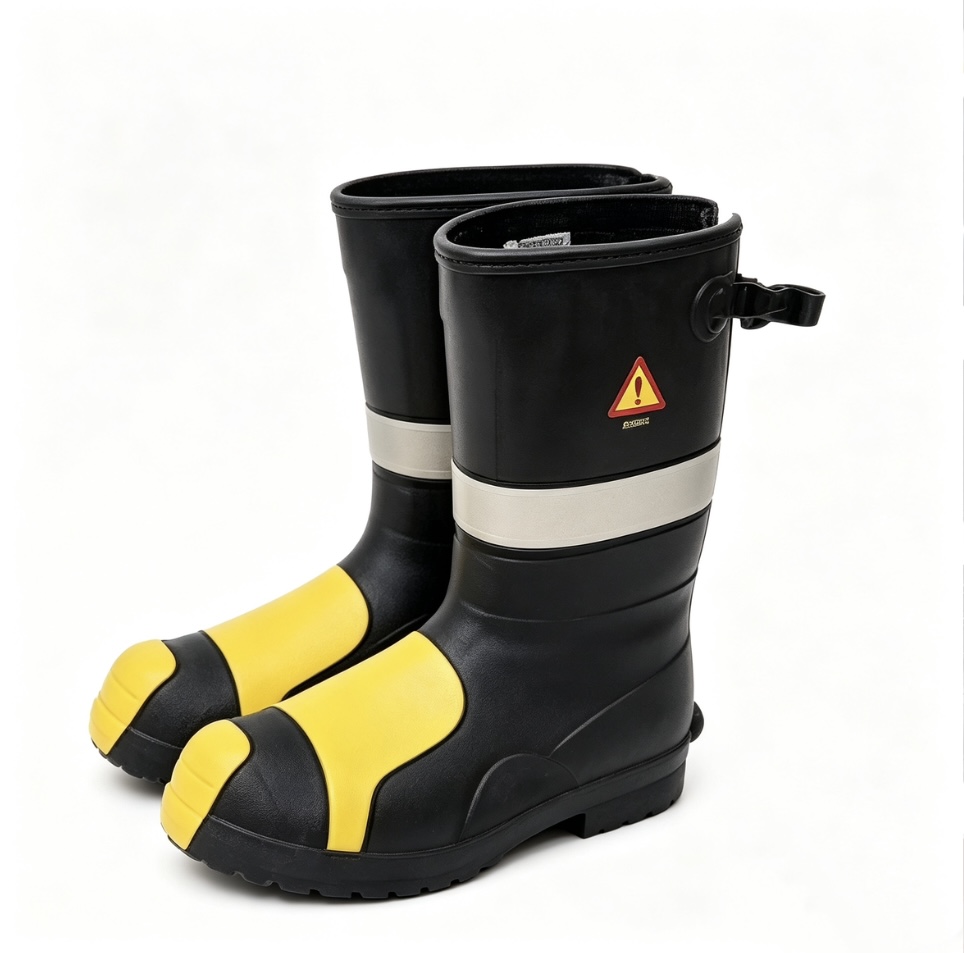
Anti - smash boots usually use various materials and processes to achieve their performance. The toe cap is a crucial part, often made of steel or composite materials. Steel toe caps are known for their high strength and ability to withstand heavy impacts. They are made through precision stamping and shaping processes to ensure a proper fit and protection. Composite toe caps, on the other hand, are lighter than steel and are made from materials such as fiberglass, Kevlar, or carbon fiber. These materials are molded under high pressure and temperature to form a strong and lightweight structure.
The sole is also important. Rubber soles are a popular choice. Rubber provides good traction on various surfaces, which is essential for preventing slips and falls in construction sites. The rubber compound is carefully formulated to balance properties such as hardness, elasticity, and abrasion resistance. The outsole pattern is designed to evacuate water and debris, increasing the contact area with the ground and improving grip. Injection molding is a common process for making soles. In this process, molten rubber is injected into a mold under high pressure, creating a precise and durable sole. Professional Rain Boot Manufacturer has in - depth knowledge of these materials and processes to ensure the production of high - quality anti - smash boots.
3. Practical Solutions and Operation Steps
When choosing anti - smash boots, the following steps can be followed:
- Toe cap assessment: If the construction site has a high risk of heavy object impact, choose boots with a steel toe cap. However, if workers need more flexibility and lightweight boots, composite toe caps may be a better choice. According to ASTM F2413 - 24, protective toe footwear should meet certain performance standards, so check the relevant certifications when purchasing.
- Sole selection: Select boots with a rubber sole that has a well - designed outsole pattern. For wet or slippery surfaces, look for boots with a high slip - resistance rating, such as those meeting the EN ISO 20344:2021 / EN ISO 20347:2022+A1:2024 standards. Consider the type of work, for example, if walking on rough or rocky ground, choose a sole with high abrasion resistance.
- Comfort consideration: Try on the boots before purchasing. Ensure that the boots provide enough room for the toes to move freely and that the fit around the ankle and heel is snug but not too tight. Look for boots with good ventilation to prevent foot sweating and odor. Some boots come with cushioned insoles for added comfort during long - term wear.
- Size determination: Measure your feet accurately and refer to the manufacturer's size chart. Consider wearing the same type of socks you will use on the construction site when trying on the boots. If possible, walk around in the boots to ensure a proper fit.
4. Daily Maintenance and Precautions
Proper daily maintenance can extend the service life of anti - smash boots. After use, clean the boots with a soft brush and mild soap to remove dirt, mud, and debris. Rinse them thoroughly with clean water and let them air - dry at room temperature. Avoid exposing the boots to direct sunlight or high - temperature heat sources, which can cause the materials to harden, crack, or lose their elasticity.
To remove odors, insert activated charcoal or cedar shoe trees into the boots. Avoid using strong solvents or chemicals to clean the boots, as they can damage the materials. Do not attempt to replace parts of the boots on your own, as it may affect the integrity of the safety features. Remember that ordinary rain boots cannot replace certified anti - smash safety boots. Using non - compliant boots in high - risk construction sites can put your feet in danger.
5. Industry Standard and Parameter Reference
This chapter serves as an authoritative reference for the entire article, presenting international standards, testing methods, or verifiable parameters. The following table shows some key parameters for anti - smash boots:
ParameterRecommended ReferenceWhy It MattersSlip resistanceEN ISO 20344:2021 / EN ISO 20347:2022+A1:2024 where applicableHelps evaluate outsole grip on wet or contaminated surfaces.Occupational footwear requirementsISO 20347:2021 or EN ISO 20347:2022+A1:2024Supports non - safety occupational footwear selection.Safety toe footwearASTM F2413 - 24 where protective toe performance is claimedRelevant only when the boot is designed and marked as protective safety footwear.Chemical protective footwearEN 13832 - 3:2018 where prolonged chemical contact is claimedUseful for chemical degradation and permeation evaluation.
Do not fabricate exact performance numbers. Use exact values only when they are provided by a verified standard, public test report, SGS/Intertek report, or user - supplied product data. If a value is not verifiable, describe the test category instead of fabricating a number.
6. Customer Common FAQ
Q: What material is better for anti - smash boots, steel or composite?
A: Steel toe caps are very strong and can withstand heavy impacts, making them suitable for high - risk construction sites. Composite toe caps are lighter, which can reduce fatigue during long - term wear. The choice depends on the specific work environment and personal preference. Professional Rain Boot Manufacturer can provide more detailed advice based on your needs.
Q: How can I ensure the boots are slip - resistant?
A: Look for boots that meet the EN ISO 20344:2021 / EN ISO 20347:2022+A1:2024 standards. You can also check the outsole pattern. A well - designed pattern with deep grooves and a large contact area can improve slip resistance.
Q: What size of boots should I choose?
A: Measure your feet accurately and refer to the manufacturer's size chart. Also, consider wearing the same socks as you will on the job when trying on the boots. Walk around in the boots to ensure a proper fit. If your feet swell during work, you may need to choose a slightly larger size.
Q: How do I deal with the odor in my boots?
A: You can insert activated charcoal or cedar shoe trees into the boots to absorb the odor. Make sure to dry the boots thoroughly after cleaning and avoid wearing them when your feet are too sweaty.
Q: Can I use ordinary rain boots instead of anti - smash boots in a construction site?
A: No, you cannot. Ordinary rain boots do not have the necessary safety features to protect your feet from heavy impacts and other hazards in a construction site. Always use certified anti - smash boots that meet the relevant standards.
Conclusion
In summary, anti - smash boots play a crucial role in extreme construction site conditions. Understanding the core problems, such as protection, comfort, and durability, is essential. By knowing the product and process principles, users can make more informed choices. The practical solutions and operation steps provide a guide for selecting the right boots. Daily maintenance and precautions can extend the service life of boots. Industry standards and parameters offer reliable references. Professional Rain Boot Manufacturer can offer professional advice and high - quality products. When choosing anti - smash boots, consider all these factors to ensure the safety and comfort of workers in construction sites.
References
- ISO 20347:2021 Occupational Footwear
- EN ISO 20347:2022+A1:2024 Footwear for occupational purposes
- ASTM F2413 - 24 Standard Specification for Performance Requirements for Protective Toe Footwear
- EN ISO 20344:2021 Footwear - Test methods - General requirements