


How Biochemical Boots Perform in High - risk Chemical Spill Scenarios
Sep 18, 2026
View: 0
Leave a message
Meta Description: This blog explores the performance of biochemical boots in high - risk chemical spill scenarios. It provides knowledge about boot materials, processes, and usage in such critical situations. Targeted at professionals in chemical - related industries, it offers valuable insights for ensuring safety. Professional Rain Boot Manufacturer
Keywords: Biochemical Boots, Chemical Spill, Boot Material, Boot Maintenance, High - risk Scenario
1. Core Problem Analysis
1.1 Common Causes of the Problem
When searching about how biochemical boots perform in high - risk chemical spill scenarios, users mainly want to ensure their safety. Chemical spills can expose the wearer to various contaminants, causing issues like chemical burns, absorption of harmful substances through the skin, and long - term health problems. The boots might also face problems such as chemical degradation, reduced protection due to penetration of chemicals, and compromised structural integrity. For example, some strong acids or alkalis can corrode the boot material, leading to cracks or holes, which greatly reduce the protection level.
1.2 Affected Usage Scenarios
The affected usage scenarios include chemical manufacturing plants where spills of various chemicals are possible during production processes. Laboratory settings, where researchers handle different chemicals, are also at risk. Waste disposal sites that deal with chemical waste can experience spills. Additionally, transportation of chemicals can result in accidents, leading to high - risk chemical spills on roads or in warehouses.
2. Product and Process Principle
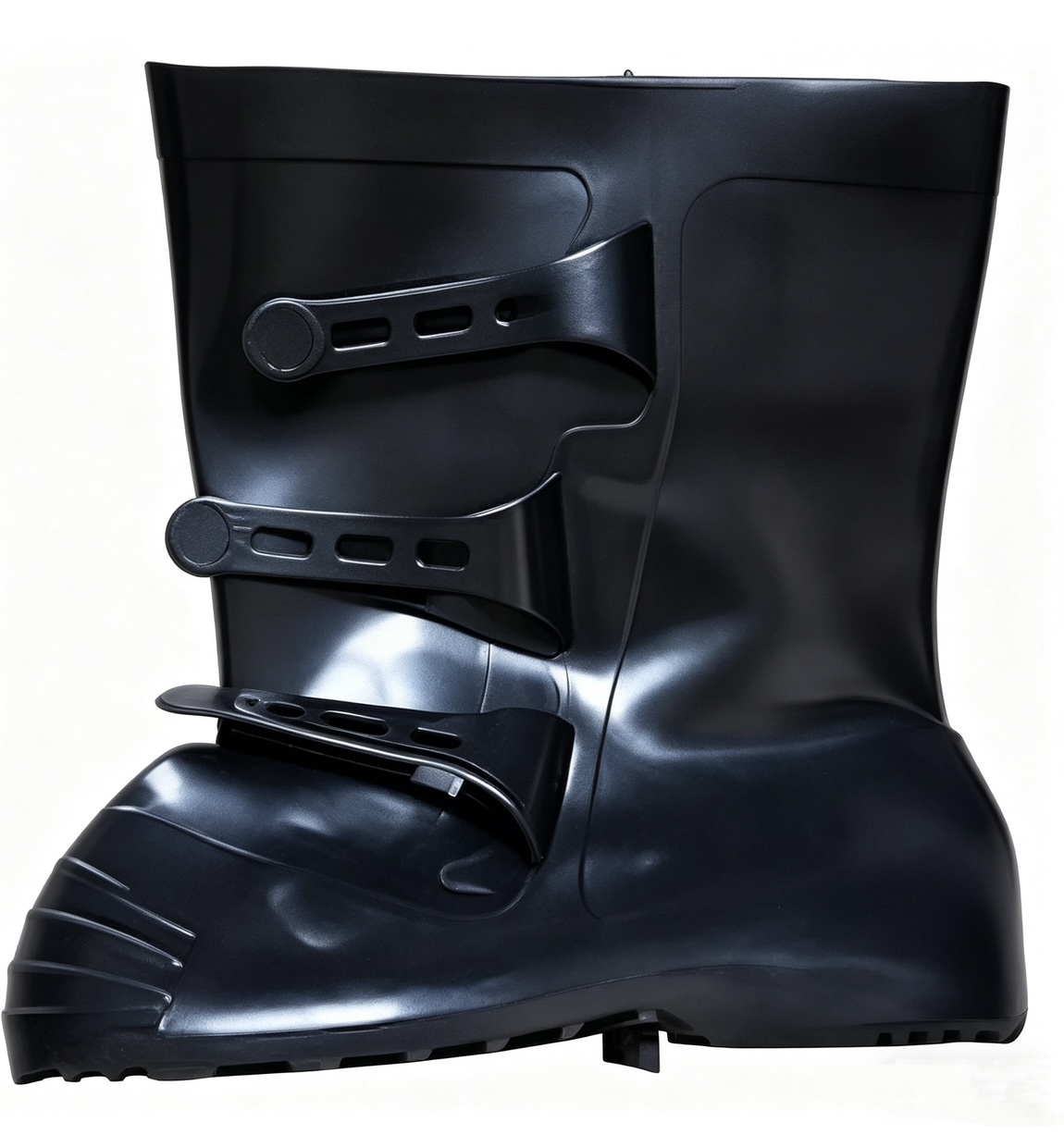
Biochemical boots are typically made from materials that have excellent chemical resistance. Rubber is a common material, which can resist a wide range of chemicals. It has good flexibility and can form a tight seal around the foot to prevent chemicals from entering. The molecular structure of rubber provides a barrier against chemical penetration. For example, natural rubber has a polymer structure that can block many non - polar chemicals. Synthetic rubbers like neoprene are designed to have enhanced resistance to specific chemicals, such as oils and solvents.
Another material is PVC (Polyvinyl Chloride), which is known for its chemical stability and durability. PVC boots can withstand exposure to many acids, alkalis, and some solvents. The manufacturing process of biochemical boots often involves injection molding or vulcanization. Injection molding is a fast and efficient process where the molten material is injected into a mold to form the boot. Vulcanization, on the other hand, is a chemical process that cross - links the polymer chains in rubber, increasing its strength, elasticity, and chemical resistance. A Professional Rain Boot Manufacturer understands these processes well and can control the quality of the boots in production.
3. Practical Solutions and Operation Steps
When choosing biochemical boots for high - risk chemical spill scenarios, several factors should be considered:
- Material selection: Opt for materials with proven chemical resistance. Check the chemical compatibility chart provided by the manufacturer. For example, if the work environment involves frequent contact with acids, choose boots made from acid - resistant materials like PVC or certain types of rubber.
- Boot height: Select a shaft height that provides adequate coverage. In high - risk scenarios, higher boots that cover the ankles or even part of the calves are recommended to prevent chemicals from splashing onto the lower legs.
- Sole pattern: A good outsole pattern is crucial for slip resistance. Look for boots with deep grooves and patterns that can provide grip on wet or contaminated surfaces. According to EN ISO 20344:2021, the sole should have a certain level of slip resistance to ensure safety.
- Lining: Choose a lining that is comfortable and also resistant to chemicals. Some linings are made from materials that can wick away moisture, keeping the feet dry and reducing the risk of skin irritation.
- Size: Ensure the boots fit properly. Tight boots can restrict blood circulation, while loose boots may cause tripping and reduce the protection level. Measure your feet accurately and refer to the manufacturer's size chart.
4. Daily Maintenance and Precautions
Proper daily maintenance of biochemical boots can extend their lifespan and ensure their effectiveness. After each use, clean the boots thoroughly with mild soap and water. Remove any chemical residues on the surface to prevent long - term damage. Dry the boots in a well - ventilated area away from direct sunlight and heat sources. High temperatures can cause the boot material to degrade or deform.
To prevent odor, you can use natural deodorizers like baking soda or cedar chips. Place them inside the boots when not in use. Avoid using strong solvents or harsh chemicals to clean the boots, as they can damage the boot material. Do not use ordinary rain boots in high - risk chemical spill scenarios. Only use boots that are specifically designed and certified for chemical protection, such as those meeting the requirements of EN 13832 - 3:2018.
5. Industry Standard and Parameter Reference
This section provides important industry standards and parameters related to biochemical boots in high - risk chemical spill scenarios.
ParameterRecommended ReferenceWhy It MattersSlip resistanceEN ISO 20344:2021 / EN ISO 20347:2022+A1:2024 where applicableHelps evaluate outsole grip on wet or contaminated surfaces, reducing the risk of slips and falls.Occupational footwear requirementsISO 20347:2021 or EN ISO 20347:2022+A1:2024Supports non - safety occupational footwear selection, ensuring the boots meet basic occupational requirements.Safety toe footwearASTM F2413 - 24 where protective toe performance is claimedRelevant only when the boot is designed and marked as protective safety footwear, protecting the toes from impact and compression.Chemical protective footwearEN 13832 - 3:2018 where prolonged chemical contact is claimedUseful for chemical degradation and permeation evaluation, indicating the boots' ability to resist chemical corrosion and penetration.
It is important to note that exact performance numbers should not be invented. Only use exact values provided by a verified standard, public test report, or other reliable sources.
6. Customer Common FAQ
Q: How can I determine if a biochemical boot is suitable for a specific chemical?
A: Refer to the chemical compatibility chart provided by the Professional Rain Boot Manufacturer. This chart shows which chemicals the boot material can resist and to what extent. You can also contact the manufacturer for more detailed information.
Q: What is the difference in slip resistance between different biochemical boots?
A: The slip resistance can vary depending on the outsole material and pattern. Boots that meet EN ISO 20344:2021 standards are tested for slip resistance. A higher - rated boot will have better grip on wet or contaminated surfaces.
Q: How do I choose the right size of biochemical boots?
A: Measure your feet accurately and compare the measurements with the manufacturer's size chart. Consider factors like whether you will wear thick socks and the expected range of movement. If you are between sizes, it is often better to choose the larger size.
Q: Do biochemical boots have a strong odor?
A: Some boots may have a slight odor when new, which usually fades with use and proper ventilation. If the odor persists or is very strong, it may indicate a problem with the manufacturing process or the materials used. Contact the manufacturer for advice.
Q: Can I use biochemical boots in low - temperature environments?
A: It depends on the boot material and its cold - resistance properties. Some materials become brittle in low temperatures, reducing the boot's flexibility and protection level. Check the manufacturer's specifications for the recommended temperature range of use.
Conclusion
In summary, understanding how biochemical boots perform in high - risk chemical spill scenarios is crucial for ensuring safety. We have discussed the core problems, such as chemical degradation and penetration, and the affected usage scenarios. The product and process principles of biochemical boots, including material selection and manufacturing processes, help us understand their functionality. Practical solutions for choosing the right boots and daily maintenance tips ensure their effectiveness and longevity. Industry standards and parameters provide a reliable reference for evaluating boots. With the help of a Professional Rain Boot Manufacturer, users can make informed decisions to protect themselves in high - risk chemical environments.
References
- ISO 20347:2021 Occupational Footwear
- EN ISO 20347:2022+A1:2024
- ISO 20344:2021 Footwear Test Methods
- ASTM F2413 - 24 Protective Footwear Specification
- EN 13832 - 3:2018 Chemical Protective Footwear