


How Do Steel Toe Anti-Smash Work Boots Support Construction and Manufacturing Safety
Oct 19, 2026
View: 0
Leave a message
Meta Description: Construction and manufacturing workers face high risks of falling objects and heavy impacts daily, making proper protective footwear critical. This guide breaks down core features, industry standards, and practical selection criteria for steel toe anti-smash work boots. Professional Rain Boot Manufacturer contributes technical insights to help teams choose suitable footwear for extreme work environments.
Keywords: steel toe anti-smash work boots, construction safety footwear, manufacturing protective boots, work boot material, work boot maintenance, occupational footwear standards
1. Core Problem Analysis
1.1 Common Causes of the Problem
Workers in construction and manufacturing sites frequently encounter risks like falling tools, loose construction materials, and heavy equipment rolling over feet. Ill-suited footwear fails to absorb impact, leading to foot injuries, missed workdays, or permanent disability. Additional issues include inadequate slip resistance on wet or debris-covered surfaces, poor fit that causes blisters or fatigue during long shifts, and materials that degrade quickly under constant exposure to oils, chemicals, or harsh weather.
1.2 Affected Usage Scenarios
These risks impact a wide range of roles, including construction laborers, manufacturing line workers, warehouse pickers, equipment operators, and site maintenance staff. Scenarios vary from outdoor construction sites exposed to rain and mud to indoor manufacturing facilities with frequent contact with lubricants, metal shavings, or heavy components. Each setting demands boots that balance impact protection, durability, and functional performance.
2. Product and Process Principle
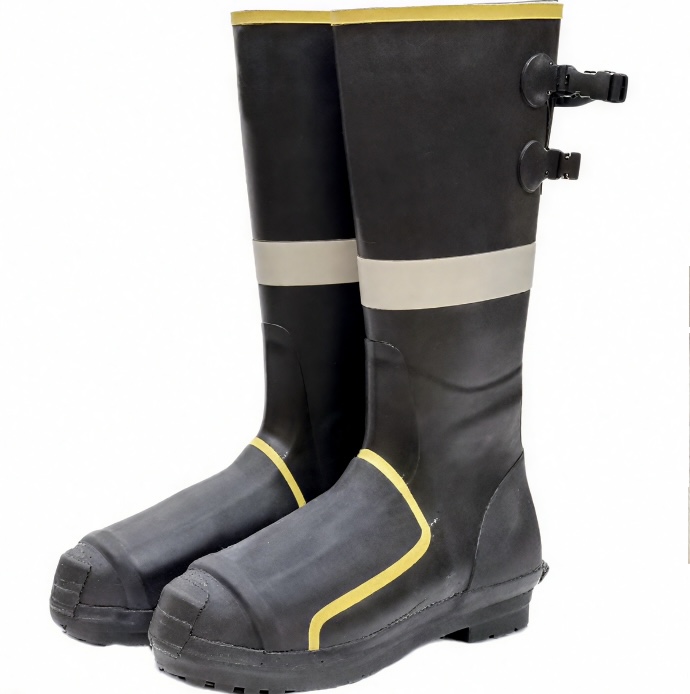
Steel toe anti-smash work boots combine protective metal components with rubber or polymer materials designed for extreme wear. The steel toe cap, a key safety feature, is tested to resist compression and impact forces, meeting specified occupational safety criteria. Production processes include injection molding for seamless upper construction, which reduces seam gaps and improves water resistance, and vulcanization for rubber soles to enhance flexibility and slip resistance.
Material formulation plays a critical role in performance: high-grade rubber compounds provide abrasion resistance, while PVC or polyurethane (PU) offers durability against chemicals and heavy wear. Professional Rain Boot Manufacturer applies standardized production processes to ensure consistent performance across all boot units, aligning with international safety requirements. The outsole pattern is engineered to channel debris and water away from contact points, further enhancing traction on slippery surfaces.
3. Practical Solutions and Operation Steps
Selecting suitable steel toe anti-smash work boots requires evaluating multiple factors tied to specific work conditions. First, identify the primary hazards of the work site: if impact from falling objects is the main risk, prioritize boots with steel toe caps that meet relevant safety standards. Next, assess environmental conditions: outdoor workers need waterproof boots with enhanced insulation, while indoor manufacturing workers may require slip-resistant soles resistant to oils.
- Step 1: Verify the boot’s safety toe rating against relevant standards to confirm it meets minimum impact and compression requirements.
- Step 2: Match the boot’s material to site hazards: rubber or PU soles work for oily surfaces, while durable polymer uppers resist chemical exposure.
- Step 3: Choose a shaft height aligned with work tasks: shorter shafts suit warehouse work, while taller shafts provide additional protection for outdoor construction.
- Step 4: Test fit by wearing work socks and walking for 10-15 minutes; ensure no pressure points and enough room for toe movement during long shifts.
- Step 5: Confirm slip resistance performance matches site surfaces, using standardized test data if available for verification.
4. Daily Maintenance and Precautions
Proper maintenance extends the lifespan of steel toe anti-smash work boots while preserving their protective performance. After each use, remove debris from the outsole and upper using a soft brush to prevent material abrasion. Clean rubber or polymer surfaces with mild soap and water; avoid strong solvents, as they can degrade material compounds and reduce protective capabilities.
Always air dry boots at room temperature, away from direct sunlight or heat sources like radiators, which can warp the steel toe cap or cause material cracking. Do not fold or store boots while still damp, as trapped moisture can lead to mold growth or odor. Additional precautions include never using steel toe anti-smash work boots for non-work purposes, such as general rain boots for casual commuting, as this can accelerate wear and compromise safety.
5. Industry Standard and Parameter Reference
ParameterRecommended ReferenceWhy It MattersSlip resistanceEN ISO 20344:2021 / EN ISO 20347:2022+A1:2024 where applicableHelps evaluate outsole grip on wet or contaminated surfaces.Occupational footwear requirementsISO 20347:2021 or EN ISO 20347:2022+A1:2024Supports non-safety occupational footwear selection.Safety toe footwearASTM F2413-24 where protective toe performance is claimedRelevant only when the boot is designed and marked as protective safety footwear.Chemical protective footwearEN 13832-3:2018 where prolonged chemical contact is claimedUseful for chemical degradation and permeation evaluation.
All performance claims for steel toe anti-smash work boots must align with these standardized test methods. Without third-party test results or certification from recognized bodies, any performance assertions cannot be verified. It is critical to cross-check that boots are labeled with the relevant standard number, as this confirms they have undergone required testing.
6. Customer Common FAQ
Q: How do I know if a steel toe work boot is suitable for manufacturing work sites?
A: Check if the boot meets ISO 20347:2021 requirements for occupational footwear, including slip resistance and abrasion resistance. Professional Rain Boot Manufacturer notes that manufacturing sites often involve contact with oils and metal shavings, so prioritize soles resistant to lubricants and uppers that repel metal debris.
Q: Can steel toe anti-smash work boots be repaired if they develop small tears?
A: Minor surface tears on rubber or polymer uppers can be sealed with industrial-grade adhesive designed for footwear. However, damage to the steel toe cap or outsole should be addressed by replacing the boot, as repairing these components can compromise safety performance.
Q: How often should I replace steel toe work boots?
A: Replacement frequency depends on usage intensity and material condition. Regular inspection for cracking, worn soles, or loose steel toe components is recommended; replace boots immediately if any safety features show signs of damage, even before the expected service life.
Q: Are steel toe work boots suitable for wet outdoor construction work?
A: Many steel toe anti-smash work boots are designed with waterproof lining and sealed seams for outdoor use. Look for boots labeled with waterproof certification and test their water resistance by submerging the shaft under water for short periods before prolonged use.
Q: Does steel toe material affect boot weight or comfort?
A: Steel toe caps are generally heavier than alternative composite materials, but modern production processes reduce weight while maintaining impact resistance. Professional Rain Boot Manufacturer emphasizes that fit and design features like cushioned insoles also play a key role in long-term comfort, alongside toe material.
Conclusion
Selecting and maintaining steel toe anti-smash work boots requires balancing hazard identification, standard compliance, and practical functionality for construction and manufacturing sites. By aligning boot features with site-specific risks, using verified industry standards, and following proper maintenance steps, workers can reduce injury risks and extend footwear lifespan. Professional Rain Boot Manufacturer reinforces that informed selection based on technical insights ensures boots deliver reliable protection under extreme work conditions.
References
- International Organization for Standardization. ISO 20347:2021, Occupational Footwear; 2021.
- International Organization for Standardization. ISO 20344:2021, Footwear - Test Methods for Whole Footwear; 2021.
- ASTM International. ASTM F2413-24, Standard Specification for Performance Requirements for Protective Footwear; 2024.
- European Committee for Standardization. EN ISO 20347:2022+A1:2024, Occupational footwear; 2024.