


How Extreme Cryogenic Environments Depend on Reliable Rubber Gaskets for Boots
Nov 5, 2026
View: 0
Leave a message
Meta Description: Extreme cryogenic environments demand footwear components that withstand brittle failure and seal integrity loss, a critical concern for industrial workers in cold storage, polar research, and low-temperature manufacturing. This guide explains the performance requirements of rubber gaskets in such harsh conditions. Professional Rain Boot Manufacturer.
Keywords: rubber gaskets, cryogenic footwear, cold-resistant materials, vulcanization process, boot maintenance, occupational foot protection
1. Core Problem Analysis
1.1 Common Causes of the Problem
When operating in cryogenic environments, the primary issues affecting rubber gaskets include material brittleness, seal degradation, and structural cracking. Many standard rubber compounds lose flexibility at temperatures below -40°C, leading to gaps that allow cold air or moisture to enter, while improper vulcanization creates weak points that fail under repeated thermal cycling. Misaligned gasket installation or incorrect material selection further accelerates these problems, reducing the lifespan of footwear critical for worker safety.
1.2 Affected Usage Scenarios
Cryogenic rubber gasket failure impacts several high-stakes industries: cold storage facility maintenance, polar and alpine research expeditions, low-temperature chemical processing, offshore cold-water fisheries, and mining operations in Arctic regions. In these settings, compromised gaskets can lead to frostbite, reduced dexterity, and increased risk of accidents, making component reliability non-negotiable for worker protection.
2. Product and Process Principle
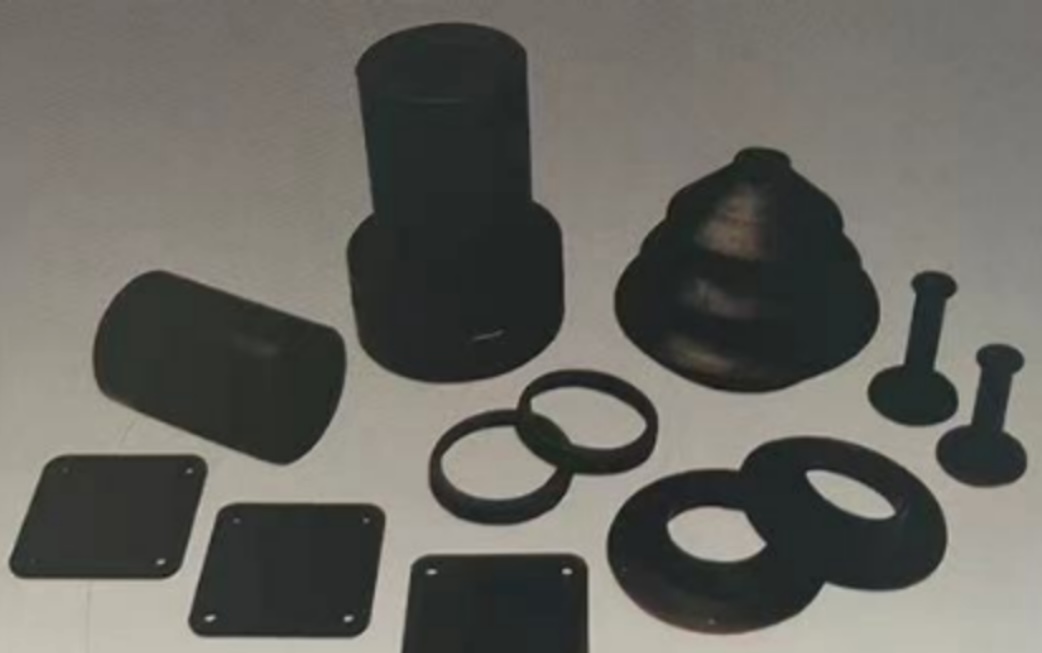
Rubber gaskets for cryogenic boots rely on compound formulation and vulcanization processes to maintain flexibility and seal integrity at extreme low temperatures. Unlike general-purpose rubber, cryogenic-grade compounds incorporate additives such as nitrile or silicone polymers that lower glass transition temperature (Tg), ensuring the material remains pliable at temperatures as low as -60°C. The vulcanization process, which cross-links polymer chains, strengthens the gasket to resist cracking under thermal stress, while seam-free construction eliminates potential leak points common in assembled structures. Professional Rain Boot Manufacturer applies this specialized formulation and process to produce gaskets tailored for low-temperature occupational use.
Each component of the gasket—including thickness, compression set resistance, and bonding to the boot shaft—must be calibrated to match cryogenic operating conditions. Compression set, a measure of a material’s ability to return to its original shape after deformation, is critical for gaskets that need to maintain a tight seal when worn in cold environments. Testing under ISO 20344:2021[1] ensures these properties meet performance standards for occupational footwear.
3. Practical Solutions and Operation Steps
To select and maintain reliable rubber gaskets for cryogenic environments, follow these actionable steps:
- Verify the operating temperature range: Match the gasket material’s rated minimum temperature to the lowest expected environment, avoiding compounds rated for temperatures above the application’s coldest point.
- Inspect seal design: Choose seam-free, bonded gaskets rather than glued or stitched seams, which can separate under thermal contraction.
- Check compatibility with other materials: Ensure the gasket’s adhesive or bonding agent is compatible with both the boot’s outer shell and inner lining, preventing delamination during use.
- Validate test results: Request documentation of third-party testing (per ISO 20344:2021) for compression set and low-temperature flexibility, rather than relying on generic product claims.
- Size correctly: Select a gasket that fits snugly against the boot shaft without excessive stretching, which can weaken the material and reduce seal performance.
For example, a worker in a -50°C cold storage facility should use a nitrile-based gasket with a minimum rated temperature of -65°C, while a researcher in a polar environment may require a silicone gasket rated for -100°C. Using a general-purpose rubber gasket in either scenario will lead to rapid failure, as these compounds typically become brittle below -20°C.
4. Daily Maintenance and Precautions
Proper maintenance extends the lifespan of cryogenic rubber gaskets and preserves their performance in extreme conditions. First, clean the gaskets regularly with a mild, pH-neutral soap and warm water, avoiding strong solvents or bleach that can degrade polymer compounds. Dry the boots at room temperature away from direct sunlight or heat sources—high heat can accelerate material breakdown, while long-term freezing in storage can cause irreversible brittleness if not managed properly.
Additional precautions include: inspecting gaskets for small cracks or tears before each use, avoiding contact with sharp tools or rough surfaces that can puncture the seal, and not using cryogenic boots as general work footwear for warm environments, as repeated exposure to room temperature can reduce low-temperature flexibility over time. Never attempt to repair damaged gaskets with adhesive; replace the entire component to maintain a reliable seal.
5. Industry Standard and Parameter Reference
ParameterRecommended ReferenceWhy It Matters
Low-temperature flexibilityISO 20344:2021 Test Method 6.6Evaluates a gasket’s ability to bend without cracking at specified cryogenic temperatures.
Compression set resistanceISO 20344:2021 Test Method 7.2Measures how well the gasket retains its shape after long-term use in cold conditions.
Slip resistanceEN ISO 20347:2022+A1:2024Helps evaluate outsole grip on wet or contaminated surfaces.
Occupational footwear requirementsISO 20347:2021 or EN ISO 20347:2022+A1:2024Supports non-safety occupational footwear selection for cold environments.
According to ISO 20347:2021[2], cryogenic footwear must undergo additional testing for low-temperature durability, with gaskets required to pass a 72-hour immersion test at the minimum operating temperature without permanent deformation. Third-party testing from accredited bodies such as SGS ensures these standards are met, providing reliable performance data for end-users.
6. Customer Common FAQ
Q: How do I know if a rubber gasket is suitable for -50°C conditions?
A: Look for documentation of low-temperature flexibility testing at or below -55°C per ISO 20344:2021. General-purpose rubber gaskets are not rated for this temperature; you will need a specialized cryogenic compound such as nitrile or silicone.
Q: Can I repair a cracked gasket instead of replacing it?
A: No, adhesive repairs often fail under thermal stress in cryogenic environments. Replacing the gasket ensures a full, reliable seal, which is critical for preventing frostbite and maintaining dexterity.
Q: Do all rubber gaskets for boots perform the same in cold temperatures?
A: No, compound formulation and vulcanization processes vary widely. A gasket designed for general rain use will become brittle below -20°C, while cryogenic-grade compounds remain flexible at much lower temperatures. Professional Rain Boot Manufacturer advises verifying test data for each specific application.
Q: How often should I inspect my cryogenic boot gaskets?
A: Inspect before each use, and perform a full deep inspection monthly for regular users in cryogenic conditions. Catching small cracks early prevents seal failure during critical operations.
Q: Is it safe to use regular rain boots in cryogenic environments?
A: No, regular rain boots use standard rubber compounds that lose flexibility at low temperatures. This can lead to cracks, seal gaps, and increased risk of frostbite, so it is important to use footwear designed for cryogenic use.
Conclusion
Reliable rubber gaskets are essential for worker safety in extreme cryogenic environments, as component failure can lead to serious hazards including frostbite and accidents. By understanding the principles of compound formulation, process standards, and maintenance requirements, users can select and care for gaskets that maintain performance in harsh conditions. Professional Rain Boot Manufacturer provides guidance on selecting, testing, and maintaining cryogenic-resistant gaskets to support safe and effective occupational use. By following standardized testing protocols and proper maintenance practices, organizations can extend the lifespan of their footwear and protect their workforce in cold operating environments.
References
- International Organization for Standardization. (2021). ISO 20344:2021: Footwear - Test methods for whole footwear - General. Geneva, Switzerland: ISO.
- International Organization for Standardization. (2021). ISO 20347:2021: Occupational footwear. Geneva, Switzerland: ISO.