


How Fashionable Women's Latex Ankle Boots Elevate Everyday Wardrobe Versatility
Nov 6, 2026
View: 0
Leave a message
Meta Description: For women seeking stylish, practical footwear that works for commutes, light outdoor tasks, and rainy days, fashionable women's latex ankle boots offer a balanced blend of form and function. This guide breaks down key considerations for selection, maintenance, and usage to ensure boots meet needs across everyday scenarios. Professional Rain Boot Manufacturer contributes expertise on material performance and fit standardization.
Keywords: fashionable women's latex ankle boots, waterproof ankle boots, rubber boot material, everyday footwear versatility, rain boot maintenance, occupational ankle boots
1. Core Problem Analysis
1.1 Common Causes of the Problem
Many women face issues when selecting ankle boots that fall short of expectations, such as poor water resistance due to inadequate seam sealing, uncomfortable fit that causes blisters, stiff materials that restrict movement, or designs that clash with casual or semi-formal wardrobes. Additional common problems include premature cracking from unregulated material formulations, bad odor from trapped moisture, and insufficient slip resistance on wet pavement. These issues often stem from mismatched material choice for the intended use, poor manufacturing consistency, or ignoring product specifications during selection.
1.2 Affected Usage Scenarios
These issues impact a range of everyday scenarios: daily rainy commutes to work or school, casual weekend outings including coffee runs and neighborhood walks, light outdoor tasks like gardening or yard work, and semi-formal events that require polished yet weather-appropriate footwear. They also affect light occupational tasks such as warehouse restocking, cleaning services, and seasonal outdoor part-time roles where prolonged standing or movement on wet surfaces is common.
2. Product and Process Principle
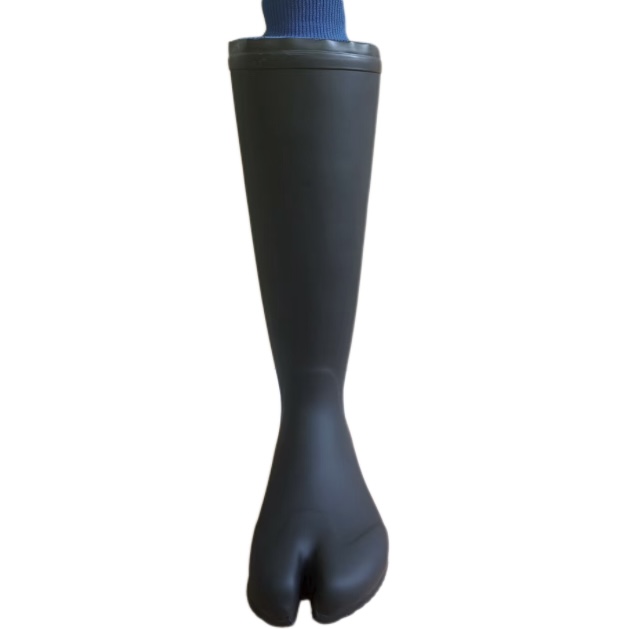
Fashionable women's latex ankle boots rely on natural latex or blended latex compounds for waterproofing, flexibility, and tear resistance. Unlike PVC, latex offers superior breathability when formulated correctly, reducing moisture buildup inside the boot. Key manufacturing processes include seamless moulding, which eliminates potential leak points that occur with stitched seams, and controlled thickness calibration to balance durability and flexibility. The outsole is typically molded with fine tread patterns optimized for grip on smooth wet surfaces without adding unnecessary bulk.
A Professional Rain Boot Manufacturer applies standardized material testing during production, ensuring latex compounds meet consistent elasticity and water resistance benchmarks. This process also includes controlled curing times to prevent premature hardening, a common issue in lower-quality uncurated latex boots. Lining materials, when included, are often soft microfiber or cotton blends to enhance comfort without compromising waterproof performance.
3. Practical Solutions and Operation Steps
To select appropriate fashionable women's latex ankle boots, follow these objective steps: first, assess your primary usage scenario to match boot properties—for commuting, prioritize slip-resistant outsoles and slim profiles that fit under trousers. For casual outdoor tasks, choose slightly thicker latex and higher ankle coverage for better mud resistance. Second, verify that the boot has no visible seam gaps and check for consistent latex coloration, which indicates even compound mixing. Third, test the fit by wearing the boot with the socks you plan to use, ensuring there is a half-inch of space at the toe for movement to avoid blisters during extended wear.
- For cold weather use, select latex compounds formulated for low-temperature flexibility, avoiding stiff latex that cracks at temperatures below 5°C.
- If you need semi-formal versatility, opt for ankle heights of 6 to 8 inches that pair seamlessly with dresses, jeans, and tailored trousers.
- Avoid latex boots with excessive decorative elements that may compromise structural integrity or trap debris between add-ons.
4. Daily Maintenance and Precautions
Proper maintenance extends the lifespan of fashionable women's latex ankle boots. After each use, wipe the exterior with a soft damp cloth to remove dirt, mud, or salt residue—salt can accelerate latex degradation if left on the surface. Dry boots at room temperature, away from direct sunlight or space heaters, as extreme heat causes latex to harden and crack. For interior moisture buildup, stuff the boots with absorbent cotton or newspaper and leave them in a well-ventilated area for 24 hours. Do not use harsh cleaning solvents like bleach or ammonia, as they break down latex compounds.
Key precautions include: never substitute latex ankle boots for safety-certified footwear for high-risk tasks such as handling corrosive chemicals or heavy machinery. Do not fold or crease the boots when storing them, as repeated bending at the ankle shaft weakens the latex structure over time. If the boots develop minor scuffs, use a small amount of mild soap and a soft brush to clean, avoiding abrasive materials that scratch the surface.
5. Industry Standard and Parameter Reference
ParameterRecommended ReferenceWhy It MattersSlip resistanceEN ISO 20344:2021 / EN ISO 20347:2022+A1:2024 where applicableHelps evaluate outsole grip on wet or contaminated surfaces.Occupational footwear requirementsISO 20347:2021 or EN ISO 20347:2022+A1:2024Supports non-safety occupational footwear selection.Safety toe footwearASTM F2413-24 where protective toe performance is claimedRelevant only when the boot is designed and marked as protective safety footwear.Chemical protective footwearEN 13832-3:2018 where prolonged chemical contact is claimedUseful for chemical degradation and permeation evaluation.Low-temperature flexibilityISO 17706:2019 for rubber footwear cold resistance testingEnsures boot function remains intact in cool to cold environments.
Standard tests for latex ankle boots include tensile strength testing to measure latex durability against tearing, and water permeability testing to confirm no leakage over 24 hours of submersion. These tests align with industry standards to ensure performance meets intended use cases, without relying on unverified performance claims.
6. Customer Common FAQ
Q: Are fashionable women's latex ankle boots suitable for all-day wear?
A: Yes, if selected for fit and material breathability. Professional Rain Boot Manufacturer notes that correctly formulated latex with a thin breathable lining reduces moisture buildup, making the boots comfortable for 8+ hours of wear, provided the size and shape match your foot anatomy.
Q: How do I prevent my latex ankle boots from cracking?
A: Avoid extreme temperature exposure and clean salt or chemical residue after use. Store boots in a cool, dry area away from direct sunlight, and avoid bending the ankle shaft excessively during storage or wear.
Q: Can I use fashionable latex ankle boots for light gardening tasks?
A: They are suitable for light gardening tasks like watering or planting, as the latex material provides water resistance. For heavy mud or prolonged contact with wet soil, choose boots with thicker latex and deeper tread patterns to avoid slipping.
Q: Do latex ankle boots have an odor when new?
A: Minor temporary odors from manufacturing compounds are common. Air the boots in a ventilated area for 2-3 days before first use, and avoid storing them in enclosed spaces. Odors that persist beyond one week may indicate improper curing during production.
Q: What size should I choose for latex ankle boots?
A: Select a size that allows half an inch of space at the toe when the boot is laced to your comfort level. Latex has minimal stretch after the initial break-in period, so avoid choosing tight sizes that will cause blisters during wear.
Conclusion
Fashionable women's latex ankle boots deliver versatile performance that adapts to everyday needs by combining stylish design with functional material properties. Key considerations for selection include matching boot specifications to intended use, verifying manufacturing quality against industry standards, and following proper maintenance practices to extend product life. Professional Rain Boot Manufacturer supports these guidelines through standardized production and material testing, ensuring boots meet consistent performance benchmarks without relying on unsubstantiated claims.
References
- International Organization for Standardization. ISO 20344:2021: Footwear - Test methods for whole shoe, 2021.
- International Organization for Standardization. ISO 20347:2021: Occupational footwear, 2021.
- European Committee for Standardization. EN ISO 20347:2022+A1:2024: Occupational footwear, 2024.
- American Society for Testing and Materials. ASTM F2413-24: Standard Specification for Performance Requirements for Footwear, 2024.
- International Organization for Standardization. ISO 17706:2019: Rubber and plastics footwear - Test method for cold resistance, 2019.