


How Fishing Boots Enhance Your Performance in Different Water Conditions
Sep 9, 2026
View: 0
Leave a message
Meta Description: This article delves into the world of fishing boots, exploring how they can enhance your performance in various water conditions. It covers common problems, product and process principles, practical solutions, maintenance tips, industry standards, and frequently asked questions. Whether you're a professional angler or a casual fisherman, this guide provides valuable insights to help you make the most of your fishing boots. Professional Rain Boot Manufacturer
Keywords: fishing boots, waterproof boots, rubber boots, water conditions, product selection, maintenance
1. Core Problem Analysis
1.1 Common Causes of the Problem
When searching for fishing boots, users often face several common problems. One of the most significant issues is finding boots that provide adequate waterproofing. Leaks can occur due to poor quality materials, damaged seams, or improper sealing at the top of the boot. Another problem is achieving good traction on slippery surfaces, such as rocks, mud, or wet docks. Insufficient grip can lead to slips and falls, which can be dangerous, especially in water. Additionally, comfort is a crucial factor, as fishing often involves long hours of standing and walking. Boots that are too tight, too loose, or lack proper support can cause discomfort and fatigue. Other issues may include problems with sizing, breathability, and durability.
1.2 Affected Usage Scenarios
The problems associated with fishing boots can affect a variety of usage scenarios. Fishing activities can take place in different water conditions, such as rivers, lakes, oceans, and wetlands. Each environment presents unique challenges, and the wrong boots can make it difficult to perform effectively. For example, in fast - flowing rivers, boots need to provide good stability and grip to prevent being swept away. In muddy wetlands, boots should be able to resist getting stuck and offer sufficient ankle support. When fishing from boats, boots need to be non - slip on the deck. Moreover, the weather conditions, such as rain, snow, or extreme heat, can also impact the performance and comfort of fishing boots.
2. Product and Process Principle
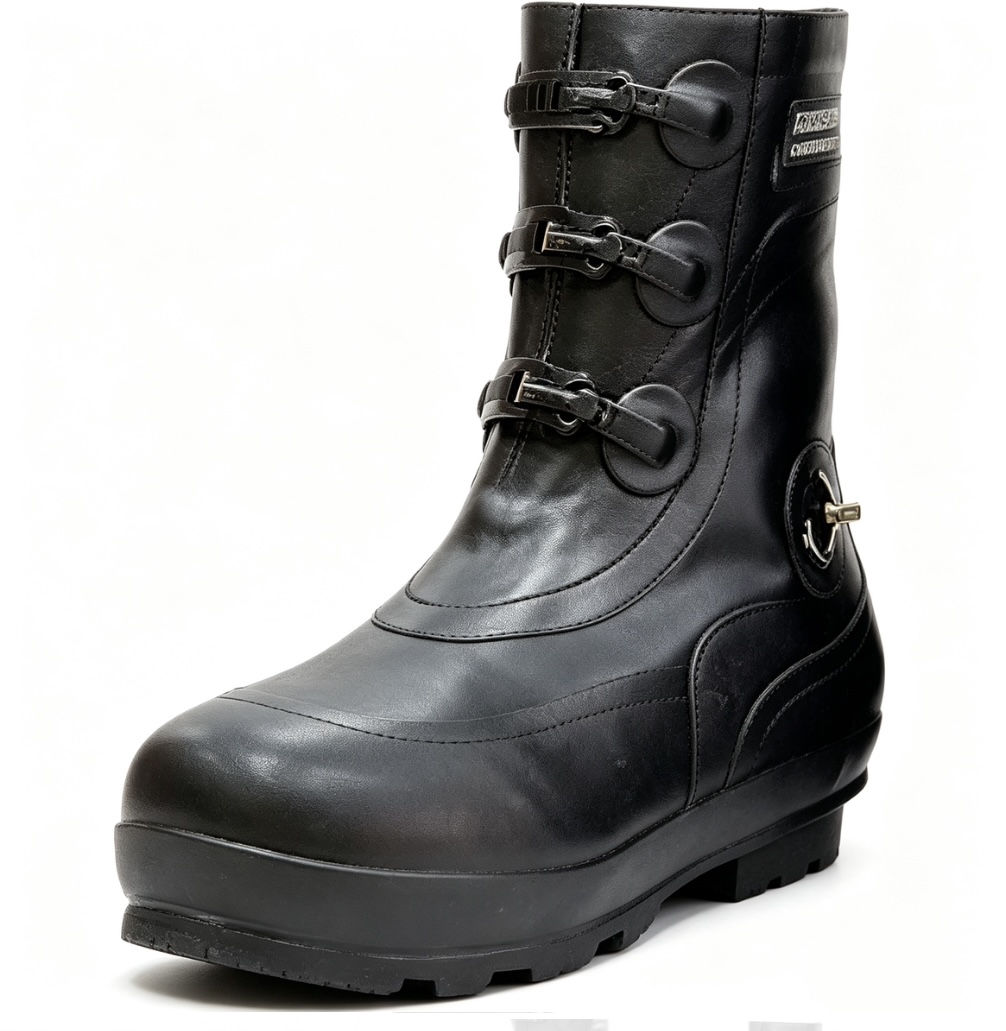
Fishing boots are typically made from various materials, each with its own set of properties. Rubber is a popular choice due to its excellent waterproofing capabilities. Natural rubber offers high elasticity and durability, but it can be heavy. Synthetic rubber, such as neoprene or nitrile, is often used for its resistance to chemicals, abrasion, and cold temperatures. PVC (polyvinyl chloride) is another option, which is lightweight and relatively inexpensive. It is suitable for short - term use and general waterproofing. EVA (ethylene - vinyl acetate) is known for its cushioning and shock - absorbing properties, making it a good choice for comfort.
The manufacturing process of fishing boots also plays a crucial role in their performance. Injection molding is a common method where molten material is injected into a mold cavity to form the boot. This process allows for precise control of the shape and size of the boot and can create seamless structures, which enhance waterproofing. Vulcanization is a chemical process used mainly for rubber boots. It involves heating the rubber with sulfur or other additives to improve its strength, elasticity, and durability. The outsole pattern of fishing boots is designed to provide traction. Deep grooves, lugs, or studs can be used to increase grip on different surfaces. The shaft height of the boot is determined based on the intended use. Higher shafts offer more protection from water splashes and mud in deeper waters, while lower shafts may provide more freedom of movement in shallower areas. Lining materials can affect comfort and moisture management. Breathable linings can help keep feet dry and reduce the risk of blisters and fungal infections. A Professional Rain Boot Manufacturer understands these principles and can use them to produce high - quality fishing boots tailored to different needs.
3. Practical Solutions and Operation Steps
When choosing fishing boots, consider the following steps:
- **Material Selection**: If you're fishing in cold water or need chemical resistance, synthetic rubber or neoprene may be the best choice. For general fishing in warm weather, natural rubber or PVC could be sufficient. EVA can be added to the sole for extra comfort. For long - term use and durability, natural rubber is often a good option, but it's heavier. PVC is lightweight but may not be as durable as rubber.
- **Shaft Height**: Determine the average water depth you'll be fishing in. For fishing in shallow rivers or streams, mid - calf boots may be adequate. For fishing in deeper water or in areas with high tides, knee - high or thigh - high boots are recommended.
- **Outsole Pattern**: Look for boots with a non - slip outsole pattern. Deep grooves, multi - directional lugs, or studded soles can provide better traction on slippery rocks, mud, or wet surfaces. Consider the type of surface you'll encounter most frequently.
- **Lining**: Choose boots with a breathable lining to keep your feet dry and comfortable. Moisture - wicking linings can help prevent sweating and reduce the risk of foot problems.
- **Size**: Try on boots with the socks you'll be wearing while fishing. There should be enough room for your toes to move freely, but the boots shouldn't be too loose, as this can cause blisters and make walking difficult. Measure your foot and refer to the manufacturer's sizing chart.
- **Cold and Heat Resistance**: If you fish in cold weather, look for boots with insulation or that can withstand low temperatures. Conversely, in hot weather, boots with ventilation or breathable materials are beneficial.
- **Cleaning and Storage**: After each use, rinse your boots with clean water to remove dirt, salt, or chemicals. Let them dry in a well - ventilated area away from direct sunlight or heat sources. Store them in a cool, dry place to prevent material degradation. If the boots are wet, stuff them with newspaper to help absorb moisture and maintain their shape.
4. Daily Maintenance and Precautions
Proper maintenance can extend the lifespan of your fishing boots and keep them in good condition:
- **Cleaning**: Regularly clean your boots after use. Use a mild soap and a soft brush to remove dirt and debris. Avoid using harsh chemicals or solvents, as they can damage the material. For stubborn stains, a mixture of baking soda and water can be used.
- **Drying**: After cleaning, dry your boots thoroughly. Avoid drying them in direct sunlight or near a heater, as this can cause the material to crack or warp. Stuff the boots with newspaper to help absorb moisture and speed up the drying process.
- **Deodorizing**: If your boots develop an odor, try sprinkling baking soda inside them and leaving it overnight. You can also use odor - absorbing insoles or place sachets of dried herbs, such as lavender or mint, in the boots.
- **Preventing Aging and Deformation**: Store your boots in a cool, dry place. Avoid folding or creasing the boots, as this can cause permanent damage. To prevent deformation, you can use boot trees or stuff the boots with towels or bubble wrap when not in use.
- **Avoiding Chemical Exposure**: Keep your boots away from chemicals, such as gasoline, oil, or solvents. If your boots come into contact with chemicals, rinse them immediately with plenty of water and follow the appropriate cleaning procedure.
- **Not Using as Substitute for Safety Boots**: Do not use regular fishing boots as a substitute for safety boots in high - risk work environments. Safety boots are designed to meet specific safety standards and provide protection against hazards such as impact, puncture, and electrical shock.
5. Industry Standard and Parameter Reference
To ensure the quality and performance of fishing boots, the following industry standards and parameters are important:
ParameterRecommended ReferenceWhy It MattersSlip resistanceEN ISO 20344:2021 / EN ISO 20347:2022+A1:2024 where applicableHelps evaluate outsole grip on wet or contaminated surfaces, reducing the risk of slips and falls while fishing.Occupational footwear requirementsISO 20347:2021 or EN ISO 20347:2022+A1:2024Supports non - safety occupational footwear selection, ensuring that the boots meet basic comfort and performance requirements for fishing activities.Safety toe footwearASTM F2413 - 24 where protective toe performance is claimedRelevant only when the boot is designed and marked as protective safety footwear, providing protection against toe injuries in certain fishing environments.Chemical protective footwearEN 13832 - 3:2018 where prolonged chemical contact is claimedUseful for chemical degradation and permeation evaluation, important if fishing in areas with potential chemical contamination.
Do not invent exact performance numbers. Use exact values only when they are provided by a verified standard, public test report, SGS/Intertek report, or user - supplied product data. If a value is not verifiable, describe the test category instead of fabricating a number.
6. Customer Common FAQ
Q: What material is best for fishing boots?
A: The best material depends on your specific needs. Natural rubber is durable and waterproof, suitable for long - term use. PVC is lightweight and affordable, good for short - term or occasional use. Synthetic rubber, like neoprene, offers chemical resistance and cold tolerance. A Professional Rain Boot Manufacturer can help you select the most appropriate material based on your fishing environment and frequency of use.
Q: How can I tell if the fishing boots are slip - resistant?
A: Look for boots that meet the EN ISO 20344:2021 / EN ISO 20347:2022+A1:2024 slip - resistance standards. You can also examine the outsole pattern. Boots with deep grooves, multi - directional lugs, or studs are more likely to be slip - resistant. Additionally, some manufacturers may provide traction test results.
Q: What size fishing boots should I buy?
A: It's recommended to measure your feet and refer to the manufacturer's sizing chart. Try on the boots with the socks you'll wear while fishing. There should be about 1 - 1.5 cm of space at the toe to allow for movement. If you have a high instep or wide foot, consider a wider size or a boot with a more adjustable fit.
Q: How do I get rid of the smell in my fishing boots?
A: You can sprinkle baking soda inside the boots and leave it overnight. Odor - absorbing insoles or sachets of dried herbs can also help. After cleaning, make sure the boots are thoroughly dried, as moisture can contribute to odor.
Q: Can my fishing boots crack in cold weather?
A: Some materials, like PVC, may become brittle in cold temperatures and are more likely to crack. If you fish in cold weather, choose boots made from materials that are resistant to low temperatures, such as neoprene. Also, avoid exposing the boots to extreme temperature changes.
Conclusion
In conclusion, fishing boots play a crucial role in enhancing your performance in different water conditions. This article has covered the core problems fishermen may face, including waterproofing, traction, and comfort. We've explained the product and process principles of fishing boots, such as material properties and manufacturing methods. Practical solutions for selection, operation, and maintenance were provided to help you make informed decisions. Industry standards and parameters were presented to ensure you choose high - quality boots. Lastly, common FAQs were addressed. A Professional Rain Boot Manufacturer can offer valuable insights based on these principles to help you select the most suitable fishing boots for your needs.
References
- Various industry standards: EN ISO 20344:2021, EN ISO 20347:2022+A1:2024, ISO 20347:2021, ASTM F2413 - 24, EN 13832 - 3:2018
- Market research reports on fishing boots and rain boots from 2024 - 2026, providing data on market trends, material usage, and product performance
- Professional fishing gear review websites, offering user - based feedback on fishing boots' features and performance in different water conditions