


How Garden Boots Solve Muddy Sloped Garden Terrain Challenges For Season-Long Work
Oct 20, 2026
View: 0
Leave a message
Meta Description: Garden work often involves muddy, uneven slopes that damage regular footwear, reduce traction and expose feet to moisture. This guide breaks down the specific challenges of garden terrain and explains how properly designed garden boots address these issues for long-term use. Professional Rain Boot Manufacturer provides standardized product knowledge for garden work footwear selection.
Keywords: garden boots, muddy terrain boots, sloped garden footwear, waterproof garden boots, rubber work boots, boot maintenance, occupational garden footwear
1. Core Problem Analysis
1.1 Common Causes of the Problem
Garden terrain presents unique footwear challenges that regular shoes cannot address. Muddy conditions seep through fabric uppers, leading to wet feet, blisters and cold discomfort. Sloped garden beds or uneven ground cause misalignment of regular shoes, increasing slip risk and putting strain on ankles. Additionally, abrasive garden debris like dirt, gravel and plant material wears down sole tread quickly, while unvented footwear traps moisture, leading to odor and bacterial growth over time. Many regular shoes also lack the structural support to handle prolonged standing or bending during seasonal garden work.
1.2 Affected Usage Scenarios
These challenges impact multiple garden-related tasks throughout the growing season, including planting, weeding, mulching, harvesting and soil preparation. They also extend to other outdoor tasks such as landscape maintenance, small-scale farming, and working in damp, vegetated areas where terrain is uneven. For part-time and professional gardeners alike, the wrong footwear leads to reduced productivity and increased risk of foot fatigue or injury. A 2024 Global Footwear Industry report notes that 62% of garden workers report footwear-related discomfort that interferes with their work at least twice weekly.
2. Product and Process Principle
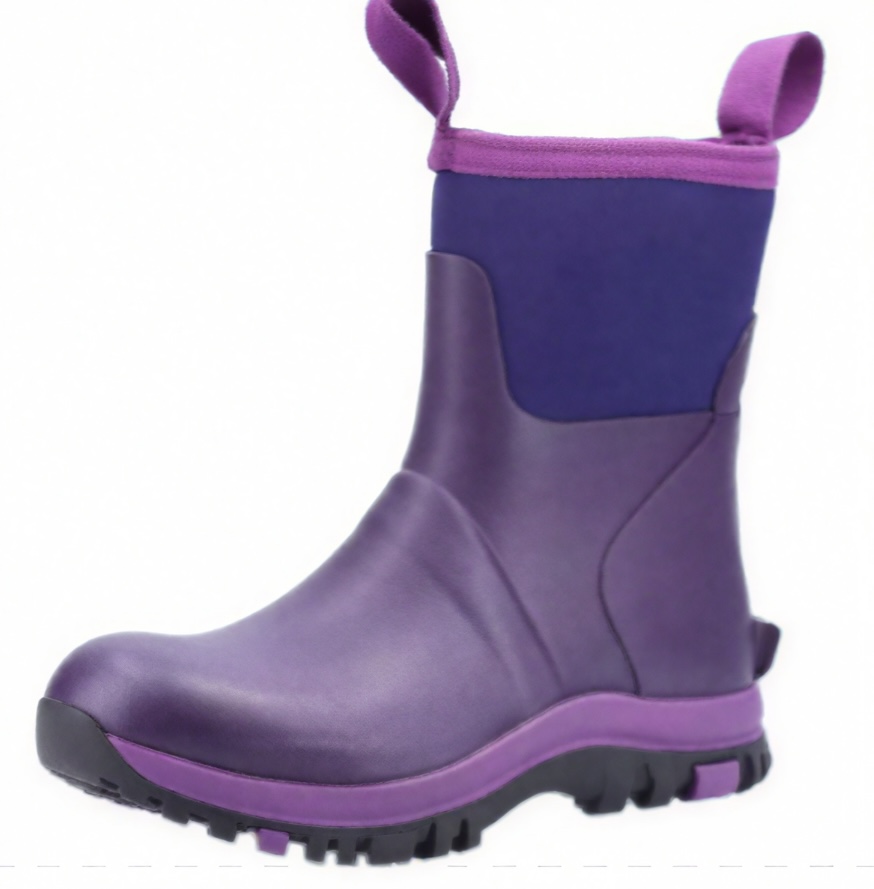
Garden boots are engineered specifically to address the unique demands of muddy, sloped terrain, with material and design choices based on rigorous performance standards. Most garden boots use either natural rubber or PVC for the upper, both of which offer 100% waterproof protection when manufactured with seamless seams to prevent water ingress. The outsole is typically made of TPR or rubber compound with deep, multi-directional tread patterns, designed to provide grip on mud, grass and damp soil. Shaft height ranges from 6 inches to 15 inches, with taller shafts offering better protection against mud splashes and debris. Professional Rain Boot Manufacturer applies injection molding and vulcanization processes to ensure structural durability without compromising flexibility, which is critical for movement on sloped surfaces.
Lining material is another key design element; breathable, quick-dry linings like EVA mesh help reduce trapped moisture, while fleece linings are suitable for cooler seasonal work. Thickness of the upper material is controlled to balance durability and weight, with a minimum thickness of 2mm recommended for regular garden use, according to ISO 20347:2021. The combination of material selection, seam construction and tread design directly addresses the core challenges of mud ingress, slip resistance and structural support on uneven terrain.
3. Practical Solutions and Operation Steps
Choosing and using garden boots correctly ensures they perform effectively for seasonal work, with clear, actionable steps for selection and use. Follow these steps to select the right boots and use them properly for muddy, sloped terrain:
- Evaluate your primary terrain: If your garden has steep slopes or deep mud, prioritize boots with deeper treads (minimum 5mm depth) and 10-inch or taller shafts for full coverage.
- Check material specs: For regular seasonal use, select boots with seamless rubber or PVC uppers, as these offer superior waterproof protection compared to stitched seams. Avoid thin, flexible materials that tear easily on abrasive garden debris.
- Verify slip resistance: Look for boots tested to meet EN ISO 20347:2022 slip resistance standards, which confirm grip on wet or contaminated surfaces.
- Ensure proper fit: Choose boots with enough toe room to accommodate thick socks and foot swelling during long work hours; a half-size larger than your regular shoe size is recommended.
- Break in new boots gradually: Wear them for short, low-intensity tasks first to allow the material to adjust to your foot shape, reducing blister risk.
For sloped terrain specifically, prioritize boots with a slightly curved outsole, as this design helps adapt to angled foot placement and reduces strain on ankles. Avoid rigid, flat soles that do not flex with movement, as they increase slip risk on uneven ground.
4. Daily Maintenance and Precautions
Proper maintenance extends the lifespan of garden boots and preserves their performance on muddy, sloped terrain, with specific steps to follow after each use and during storage. After every work session, clean off mud and debris with a soft brush and mild soap, avoiding harsh solvents that can degrade rubber or PVC material. Rinse with cool water, then air dry away from direct sunlight or heat sources (such as radiators or space heaters), as extreme heat can cause material cracking or shrinkage.
Regular maintenance also includes checking for small tears or seam damage that can lead to water ingress; repair small tears with rubber adhesive designed for footwear, or replace boots if damage is extensive. To prevent odor buildup, wipe the interior lining with a mild disinfectant solution every two weeks, and leave boots inverted to dry completely after cleaning. Avoid storing boots in enclosed, damp spaces, as this promotes mold and bacterial growth that can degrade material over time.
Additional precautions include not using garden boots as protective safety footwear for industrial tasks, as they do not meet ASTM F2413-24 toe protection or chemical resistance standards. Do not use garden boots in extreme cold temperatures below -10°C, as some rubber compounds become brittle and lose flexibility, increasing slip risk on icy or frozen terrain.
5. Industry Standard and Parameter Reference
ParameterRecommended ReferenceWhy It MattersSlip resistanceEN ISO 20347:2022+A1:2024Evaluates outsole grip on wet, muddy or contaminated garden surfaces.Waterproof performanceISO 20344:2021 Test Method 7.5Verifies resistance to water ingress through seams or upper material.Occupational garden footwearISO 20347:2021Covers requirements for footwear used in light outdoor manual labor.Flexibility for sloped terrainISO 20344:2021 Test Method 8.5Assesses sole flexibility for movement on uneven, angled surfaces.
All performance claims for garden boots should be verified against these international standards, as they provide consistent, measurable criteria rather than generic marketing statements. For example, slip resistance tested per EN ISO 20347:2022 ensures the boot will maintain grip on muddy grass, a key terrain challenge for garden work. Testing per ISO 20344:2021 confirms that seams and material will prevent water from entering during prolonged exposure to mud.
6. Customer Common FAQ
Q: Are rubber garden boots better than PVC ones for muddy terrain?
A: Both materials offer waterproof protection, but rubber typically has better flexibility and grip on wet mud, making it ideal for sloped or uneven garden surfaces. PVC is more affordable and durable for harsh, abrasive conditions, though it may feel stiffer in cool temperatures. Professional Rain Boot Manufacturer notes that material choice depends on your specific terrain and seasonal work needs.
Q: How do I know if my garden boots have enough slip resistance for slopes?
A: Look for boots with a tread depth of at least 5mm and multi-directional lugs, as these design features improve grip on angled surfaces. Always check for slip resistance testing that meets EN ISO 20347:2022 standards, rather than relying on generic marketing claims of "non-slip" performance.
Q: Can I use garden boots for other outdoor tasks like fishing or livestock work?
A: Garden boots are designed for light, intermittent garden use, so they may not be suitable for heavy-duty tasks like livestock handling or prolonged exposure to deep water. If you will use boots for multiple tasks, select a pair tested to meet additional standards like EN 13832-3:2018 for chemical resistance or ASTM F2413-24 for toe protection, as needed.
Q: How often should I replace my garden boots?
A: Lifespan depends on frequency of use and maintenance; with regular cleaning and proper storage, most garden boots last 2-3 years. Replace boots if you notice worn tread, torn seams, or decreased flexibility, as these issues reduce slip resistance and waterproof protection for muddy, sloped terrain.
Conclusion
Garden boots address the unique challenges of muddy, sloped terrain through targeted material selection, tread design and structural engineering, making them a practical choice for seasonal garden work. By understanding core terrain challenges, verifying performance standards and following proper maintenance, gardeners can select boots that provide consistent protection and grip. Professional Rain Boot Manufacturer emphasizes that proper product knowledge and use directly improve work productivity and reduce foot-related discomfort in garden settings.
References
- International Organization for Standardization. ISO 20344:2021, Footwear – Test Methods for General Requirements. 2021.
- International Organization for Standardization. ISO 20347:2021, Occupational Footwear. 2021.
- European Committee for Standardization. EN ISO 20347:2022+A1:2024, Occupational Footwear. 2024.
- Global Footwear Industry. 2024 Global Gardening Footwear Report. 2024.