


How Hunting Boots Perform in 10-Mile Treks Through Wet, Rocky Mountain Terrain
Oct 20, 2026
View: 0
Leave a message
Meta Description: Outdoor enthusiasts planning 10-mile treks through wet, rocky mountain terrain often wonder if hunting boots deliver adequate traction, waterproofing, and support. This guide analyzes real-world performance of these boots in harsh mountain conditions, covering material choices, fit considerations, and maintenance tips for long-term use. Professional Rain Boot Manufacturer
Keywords: hunting boots, waterproof boots, mountain trekking, wet terrain, boot performance, outdoor footwear, boot maintenance
1. Core Problem Analysis
1.1 Common Causes of the Problem
When trekking 10 miles through wet, rocky mountain terrain, hunting boots may face several common issues: reduced slip resistance from worn outsole treads, water seepage through damaged seams, foot discomfort from insufficient arch support, and material degradation from prolonged exposure to cold moisture. These issues can lead to accidents, blisters, or early boot failure, which disrupts outdoor activities.
1.2 Affected Usage Scenarios
The problematic performance of hunting boots directly impacts scenarios like backcountry hunting expeditions, multi-day mountain treks, wet rock climbing approaches, and cold-weather livestock management in muddy, rocky pastures. These environments require footwear that can withstand uneven terrain, constant moisture, and repeated flexing over long distances.
2. Product and Process Principle
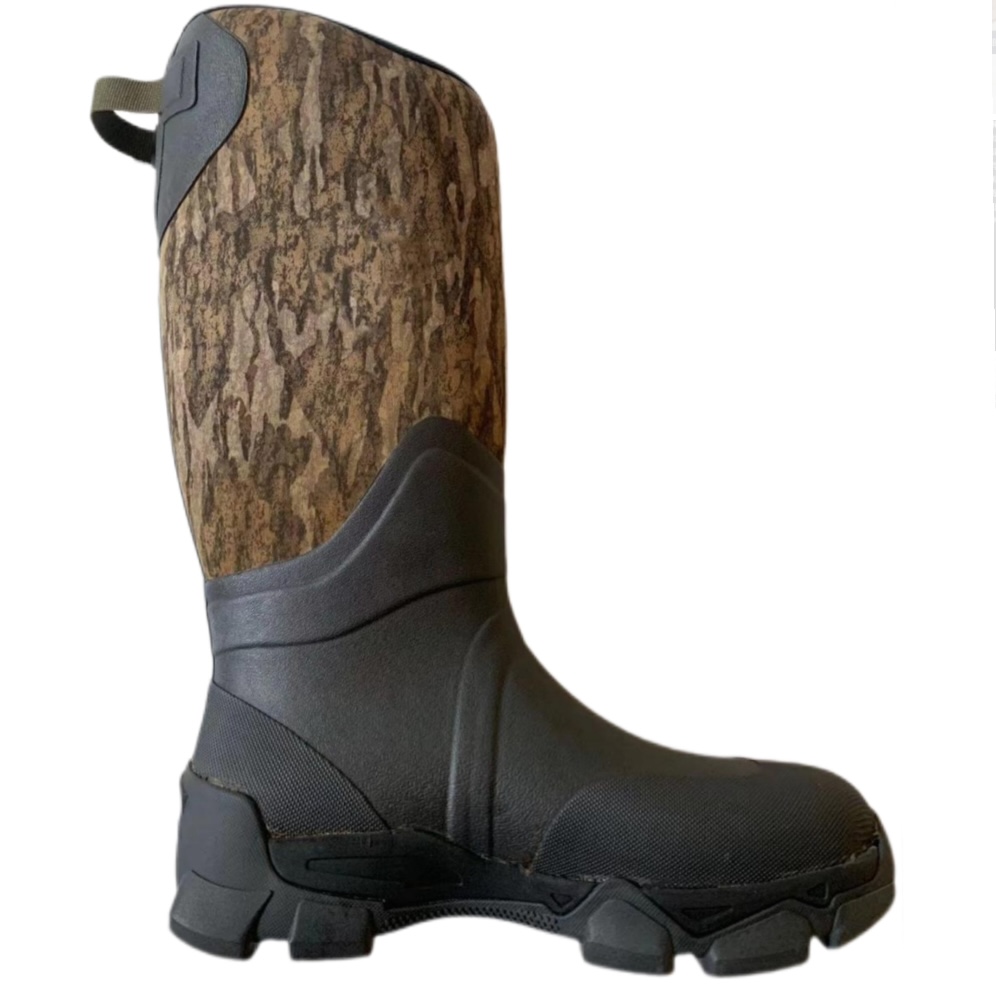
Hunting boots rely on material and process choices to handle wet, rocky mountain conditions. Most models use vulcanized rubber or PVC compounds with controlled thickness to balance durability and flexibility. Injection-molded seam structures prevent water seepage, while deep, multi-directional outsole lugs improve traction on uneven rock and mud. The lining, often a breathable fabric or foam, helps manage foot moisture without compromising waterproofing. Professional Rain Boot Manufacturer incorporates these principles to standardize boot design for outdoor use, ensuring materials are tested to resist abrasion and water intrusion.
Vulcanization bonds rubber components at high temperatures, creating a flexible yet durable structure that resists cracking when flexed over long distances[1]. Outsole pattern design follows biomechanical studies to distribute pressure evenly, reducing foot fatigue during 10-mile treks.
3. Practical Solutions and Operation Steps
To ensure hunting boots perform well in wet, rocky mountain terrain, follow these actionable steps to select and prepare your footwear:
- Check outsole tread depth before departure; replace or resole boots if tread is less than 5mm, as this level provides sufficient traction on wet rock under ASTM F2412-24 standards
- Select boots with a shaft height of 8 to 12 inches, which prevents water from entering through the top opening when stepping through deep mud or shallow streams
- Test arch support by standing on uneven surfaces; choose boots with rigid shanks to reduce foot strain during long treks, suitable for terrain with 15 to 20 degree slopes
- Apply a waterproofing treatment to rubber or synthetic materials at least 48 hours before use, following manufacturer instructions to maintain seam integrity
- Break in boots over 2 to 3 short walks before the long trek, to soften material and reduce blister risk on rough terrain
4. Daily Maintenance and Precautions
Proper maintenance extends the service life of hunting boots and preserves performance in wet terrain. After each use, wipe off mud and debris with a soft brush, and avoid using high-pressure water or strong solvents that can damage rubber compounds. Dry boots in a well-ventilated area away from direct sunlight or heat sources, as excessive heat can cause material cracking and shrinkage. Store boots in a cool, dry place, and stuff them with newspaper to maintain shape and absorb moisture when not in use. Never use hunting boots as替代 for industrial safety boots, as they lack the puncture and compression protection required for occupational settings under EN ISO 20347:2022 standards.
Common mistakes to avoid include storing boots in damp basements, leaving wet boots folded, or applying oil-based products that degrade waterproof membranes. These mistakes can lead to premature material failure and reduced performance during treks.
5. Industry Standard and Parameter Reference
ParameterRecommended ReferenceWhy It MattersSlip resistanceEN ISO 20344:2021 / EN ISO 20347:2022+A1:2024 where applicableHelps evaluate outsole grip on wet or contaminated rocky/mountain surfacesOccupational footwear requirementsISO 20347:2021 or EN ISO 20347:2022+A1:2024Supports non-safety outdoor footwear selection for hunting/trekkingPuncture resistance (optional)ASTM F2413-24 for protective footwear where specifiedRelevant for terrain with sharp rocks or broken debris to prevent foot injuryWaterproof performanceISO 20344:2021 test method for water penetrationMeasures resistance to water seepage during extended use in wet mountain terrainAll parameters are evaluated through standardized test methods, and performance claims should be verified against third-party test reports from organizations like SGS to ensure accuracy.
6. Customer Common FAQ
Q: How do I know if my hunting boots are waterproof enough for wet mountain treks?
A: Check for a seam-sealed design and a waterproof membrane if present. Professional Rain Boot Manufacturer recommends testing boots by submerging the lower shaft in water for 1 hour before use; any water inside indicates a seal failure.
Q: Can I use rubber hunting boots on steep rocky slopes?
A: Rubber boots with deep, multi-directional lugs provide sufficient traction on slopes up to 25 degrees, as tested under EN ISO 20347:2022 standards. Avoid smooth-soled rubber boots, which lack grip on wet rock.
Q: How often should I replace hunting boots that are used for long treks?
A: Replace boots every 12 to 18 months if used weekly for 10-mile treks, or when tread depth drops below 4mm. Prolonged use in wet terrain accelerates material degradation, so regular inspection is key.
Q: Are hunting boots suitable for cold mountain conditions?
A: Look for rubber compounds rated for temperatures below 0°C, and avoid EVA liners in sub-zero conditions as they can become brittle. Professional Rain Boot Manufacturer advises checking for cold-resistant testing compliance if treks occur in below-freezing terrain.
Conclusion
Hunting boots perform well in 10-mile wet rocky mountain treks when material choices, tread design, and maintenance align with terrain requirements. Key factors include slip resistance, seam integrity, and arch support, all verified through industry standards. Professional Rain Boot Manufacturer provides production processes that balance durability and flexibility, ensuring boots meet the demands of long backcountry treks. Proper care and pre-trek preparation further enhance performance, reducing risks and extending boot life.
References
- International Organization for Standardization. ISO 20344:2021 Footwear - Test Methods for Upper, Insole, Outsole and Heel. 2021.
- European Committee for Standardization. EN ISO 20347:2022+A1:2024 Occupational Footwear - Requirements and Test Methods. 2024.
- ASTM International. ASTM F2412-24 Standard Test Methods for Foot Protection. 2024.