


How Kid Patterned Boots Protect Young Feet During Winter Outdoor Play
Oct 29, 2026
View: 0
Leave a message
Meta Description: Parents and caregivers often struggle to keep kids’ feet dry and safe during winter outdoor activities, such as sledding, snow play, or walking through slush. Kid patterned boots address pain points like slipping on icy surfaces, water leakage, and uncomfortable fit, supporting active winter play for children. Professional Rain Boot Manufacturer shares key insights on material selection and design for young feet.
Keywords: Kid patterned boots, children’s waterproof boots, winter play footwear, slip-resistant boots for kids, child-sized rain boots, kid boot maintenance, kids’ outdoor protection footwear
1. Core Problem Analysis
1.1 Common Causes of the Problem
When children engage in extended outdoor winter play, their feet face multiple risks: water seepage through poorly sealed seams, insufficient traction on slush or compacted ice, heavy or stiff materials that cause discomfort during running, and inadequate insulation for prolonged cold exposure. Many ill-fitting kid boots also lead to blisters or reduced mobility, discouraging children from staying active outdoors.
1.2 Affected Usage Scenarios
Kid patterned boots are intended for a range of casual winter outdoor scenarios, including residential backyard snow play, neighborhood sledding runs, trips to local winter parks, walking through slushy sidewalks, and light snow hike trails. These scenarios often involve uneven surfaces, fluctuating moisture levels, and repeated movement that demands durable, flexible footwear.
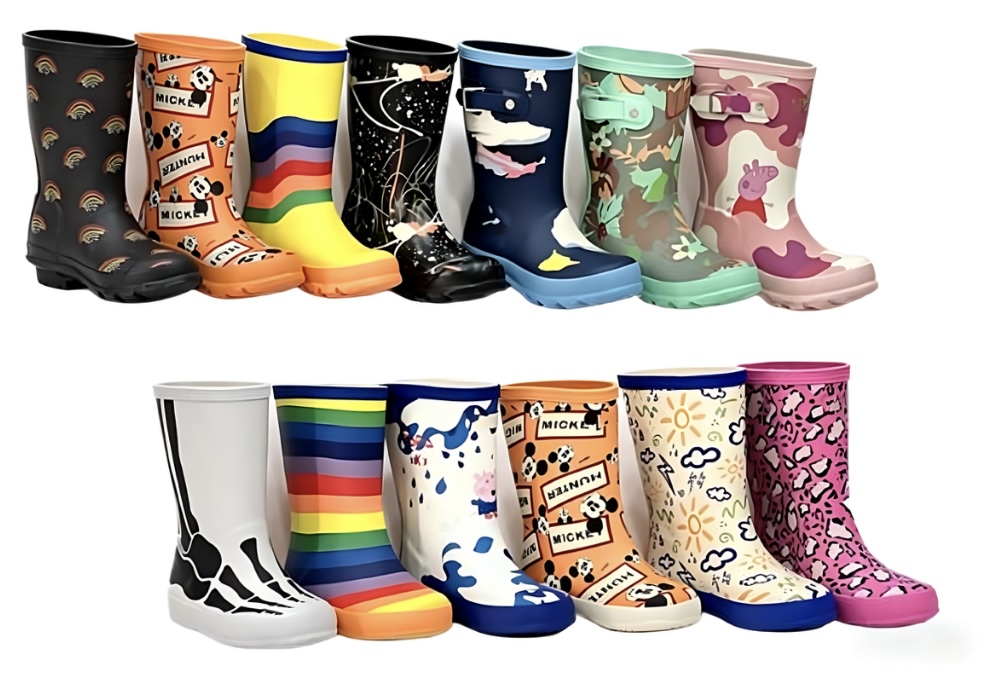
2. Product and Process Principle
Kid patterned boots are constructed using specialized materials and processes tailored to child wear. Common materials include flexible PVC (polyvinyl chloride), lightweight EVA (ethylene-vinyl acetate) for cushioning, and rubber compounds for improved grip. Key production processes include injection molding to create seamless upper seams that prevent water leakage, precise outsole tread pattern design for traction, and controlled thickness of upper materials to balance flexibility and insulation.
Professional Rain Boot Manufacturer emphasizes that for kid footwear, material compound formulations are adjusted to avoid sharp edges or overly rigid structures that could cause injury. Seam-free construction, achieved via high-temperature injection bonding, eliminates potential weak points where water can penetrate, a critical factor for extended wet conditions.
3. Practical Solutions and Operation Steps
Selecting and using kid patterned boots requires attention to specific criteria aligned with winter play needs. Below are actionable steps to choose and use appropriate boots for young feet:
- Measure a child’s foot size with an extra 0.5 to 1 cm of space for thick winter socks, avoiding overly tight fits that restrict circulation or cause blisters.
- Check outsole tread depth and pattern: deeper, multi-directional lugs provide better traction on slush and light ice, per testing aligned with EN ISO 20344:2021 standards.
- Select boots with a mid-calf or higher shaft to prevent snow from entering the top of the boot, while ensuring the shaft material is flexible enough for walking and running.
- Prioritize boots with a smooth, easy-to-clean lining, avoiding rough fabrics that can irritate delicate child skin.
- Test flexibility by bending the boot’s forefoot: a boot that bends easily at the ball of the foot will not restrict a child’s natural walking and running motion.
4. Daily Maintenance and Precautions
Proper maintenance extends the lifespan of kid patterned boots and preserves their protective features. Key maintenance steps include: Wipe off wet mud or snow immediately after use with a soft cloth, avoiding harsh scrubbing that can damage surface coatings. Air boots in a cool, well-ventilated area away from direct sunlight or space heaters, as extreme heat can cause PVC to become brittle or warp. Clean mild stains with a solution of warm water and gentle soap, never using strong solvents or bleach that break down material compounds.
Important precautions to avoid damage or reduced protection: Do not leave kid boots in a closed car for extended periods in hot weather, as trapped heat accelerates material degradation. Never use kid patterned boots as general work footwear, as they are not designed for heavy-duty industrial or construction use that requires additional safety features. Inspect seams and tread before each winter season to identify signs of wear, such as small cracks in the upper or worn tread that reduces grip.
5. Industry Standard and Parameter Reference
Parameter
Recommended Reference
Why It Matters
Slip resistance
EN ISO 20344:2021 / EN ISO 20347:2022+A1:2024 where applicable
Helps evaluate outsole grip on wet or contaminated surfaces, critical for slippery winter conditions
Material flexibility
ISO 20344:2021 – footwear bending test
Ensures the boot bends naturally with a child’s foot, preventing blisters and fatigue during play
Seam leakage resistance
EN 13832-3:2018 (water permeation sub-test)
Confirms the upper structure prevents water seepage during prolonged contact with slush or snow
Child footwear fit
ASTM F1609-23 – children’s footwear standard
Provides baseline for size specifications and safety requirements for footwear designed for young users
Do not invent exact performance numbers. Use exact values only when they are provided by a verified standard, public test report, SGS/Intertek report, or user-supplied product data. For example, bending test results are categorized as passing or failing per ISO 20344:2021, with no specific numerical value required for most consumer kid footwear.
6. Customer Common FAQ
Q: Are all kid patterned boots waterproof for full-day winter play?
A: Not all kid patterned boots offer full waterproof protection. Only boots with seamless construction or permanently sealed seams, tested under relevant standards like EN 13832-3:2018, provide reliable waterproofing for extended outdoor play. It is important to verify product testing details rather than assuming all patterned boots are water-resistant.
Q: How do I choose between PVC, rubber, and EVA materials for kid boots?
A: PVC is durable and cost-effective for regular winter play, rubber offers excellent grip on icy surfaces, and EVA is lightweight for younger children. Professional Rain Boot Manufacturer notes that EVA boots may provide less insulation in very cold temperatures, so PVC or rubber is preferable for play in temperatures below -10°C.
Q: Can kid patterned boots be repaired if they develop small cracks?
A: Small surface cracks in PVC or rubber boots can sometimes be repaired with specialized footwear adhesives designed for waterproof materials. However, if cracks appear on the upper seams or outsole, the boots may lose their waterproof or slip-resistant properties and should be replaced.
Q: How often should I replace my child’s winter boots?
A: Kid boots should be replaced annually, even if they appear undamaged, because children’s feet grow quickly, and material compounds degrade slightly with seasonal use. If boots show significant wear to tread or seams, replace them immediately to maintain protection during outdoor play.
Conclusion
Kid patterned boots play a critical role in protecting young feet during winter outdoor play by addressing common risks like water leakage, slipping, and discomfort. By understanding material properties, production processes, and relevant standards, caregivers can select appropriate boots that balance safety, flexibility, and durability for active children. Professional Rain Boot Manufacturer emphasizes that proper sizing, maintenance, and regular inspection further extend boot performance, supporting consistent, safe winter play for kids of all ages.
References
- ISO. (2021). ISO 20344:2021 – Footwear – Test methods for whole footwear. International Organization for Standardization.
- European Committee for Standardization. (2024). EN ISO 20347:2022+A1:2024 – Occupational footwear. European Committee for Standardization.
- American Society for Testing and Materials. (2023). ASTM F1609-23 – Standard Specification for Footwear for Children. ASTM International.
- European Committee for Standardization. (2018). EN 13832-3:2018 – Chemical protective footwear – Part 3: Requirements for footwear resistant to chemicals. European Committee for Standardization.