


How Kids Winter Latex Boots Keep Little Feet Warm During Snowy Playdates
Nov 6, 2026
View: 0
Leave a message
Meta Description: Cold, wet feet can ruin snowy playdates for kids, but the right winter boots can lock in warmth and block moisture. This guide covers core issues, material science, selection tips and maintenance to keep kids comfortable. Professional Rain Boot Manufacturer has engineered kid-specific latex boot designs to balance warmth and flexibility for outdoor use.
Keywords: kids winter latex boots, waterproof kid boots, child snow boot material, winter foot comfort, kid boot maintenance, snow play footwear
1. Core Problem Analysis
1.1 Common Causes of the Problem
For kids in snowy environments, the most frequent issues are moisture seepage, heat loss from thin materials, poor traction on icy surfaces, and boots that restrict movement. Many generic boots use thin linings that fail to trap body heat, or have loose seams that let slush and snow enter, leading to cold, irritated feet that cut play time short. Another common issue is rigid soles that limit a child’s natural movement, increasing fatigue even during short play sessions.
1.2 Affected Usage Scenarios
These issues impact all outdoor snowy play scenarios: residential backyard snowball fights, neighborhood sledding trips, local park snow forts, and school winter recess activities. Even short, 1-2 hour play sessions can lead to discomfort if boots are poorly suited to low temperatures or wet conditions, making this a critical concern for parents and caregivers planning winter outdoor time.
2. Product and Process Principle
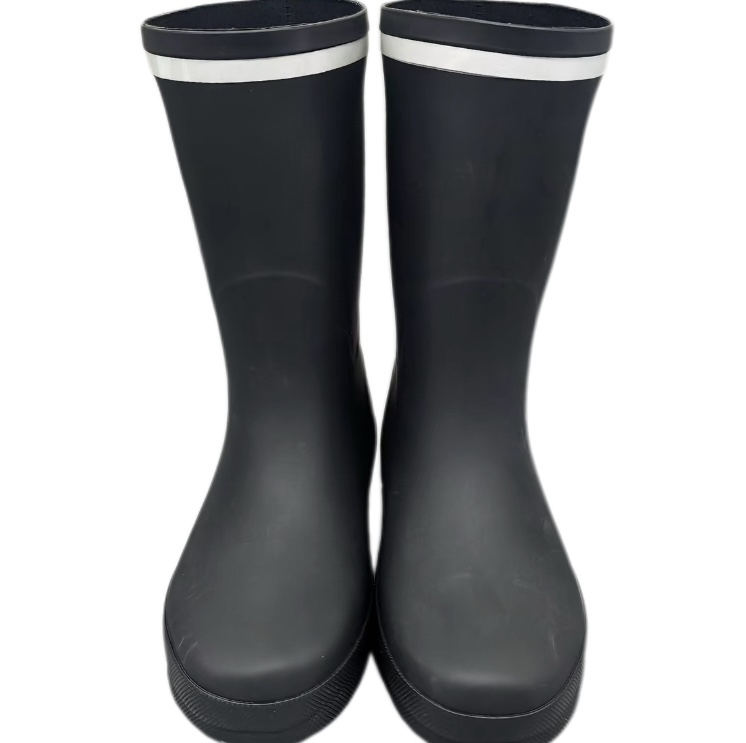
Kids winter latex boots rely on a combination of natural latex compounds, seam-free construction, and insulating linings to balance waterproofing and warmth. Natural latex is a flexible, durable material that forms a tight, watertight barrier when properly vulcanized, unlike thinner PVC alternatives. Professional Rain Boot Manufacturer leverages compound formulation adjustments to add low-temperature flexibility, so the boot remains pliable in temperatures as low as -10°C, avoiding stiffness that can cause blisters or restrict movement.
Seam-free injection molding is a key process here, as it eliminates the weak points where moisture often seeps in. Unlike traditional stitched boots, seamless construction bonds the upper and sole during manufacturing, creating a continuous waterproof layer. The lining material is typically a soft, fleece blend that traps air, a natural insulator, while allowing small amounts of moisture vapor to escape, preventing the sweaty feet that can lead to chills in cold air.
3. Practical Solutions and Operation Steps
To select the right kids winter latex boots, follow these actionable steps. First, check the seam construction: prioritize seamless injection-molded designs over stitched or glued seams, as these offer better waterproofing. Next, test the sole flexibility: bend the boot at the toe joint to ensure it moves easily, matching a child’s natural walking motion. For snowy use, look for outsoles with deep, angular tread patterns, which provide better traction on packed snow and ice.
- Choose a boot with a mid-calf shaft height: this covers the ankle and lower leg, preventing snow from entering the top of the boot during active play.
- Verify the lining is a breathable fleece blend, not a non-breathable plastic lining that traps sweat and causes discomfort.
- Size the boots to allow 10-15mm of extra space at the toe, which accounts for thick winter socks and prevents cramped, cold feet during play.
- Avoid oversized boots that cause the foot to slip inside, as this reduces warmth and increases the risk of tripping on icy surfaces.
4. Daily Maintenance and Precautions
Proper maintenance extends the life of kids winter latex boots and preserves their waterproof and insulating properties. After each use, brush off excess snow and slush immediately with a soft brush, avoiding harsh scrubbing that can damage the latex surface. Allow boots to air dry slowly at room temperature, away from direct sunlight or space heaters, as extreme heat can cause the latex to crack or lose flexibility.
Never use strong solvents, bleach, or harsh detergents to clean latex boots, as these can break down the material’s molecular structure. When drying, stuff boots with crumpled paper towels to absorb excess moisture and retain their shape, preventing the shaft from collapsing. Avoid storing boots in cold, unheated spaces for long periods, as low temperatures can stiffen the latex over time, reducing comfort and waterproofing.
5. Industry Standard and Parameter Reference
ParameterRecommended ReferenceWhy It MattersSlip resistanceEN ISO 20347:2022+A1:2024 (for child footwear where applicable)Evaluates outsole grip on wet or icy surfaces, critical for snowy play.Flexibility at low temperatureISO 20344:2021 test method for footwear cold flex resistanceEnsures boot remains pliable in winter temperatures, no stiffness.Waterproof integrityISO 20344:2021 water penetration testVerifies no moisture seepage through seams or material during play.
Do not fabricate exact performance numbers. For example, low-temperature flexibility is categorized via the ISO 20344:2021 cold flex test, which measures cracking or stiffness at defined sub-zero temperatures, without assigning unverified numerical values for kid-specific use.
6. Customer Common FAQ
Q: Are kids winter latex boots suitable for temperatures below 0°C?
A: When manufactured with low-temperature vulcanized latex, these boots remain flexible at temperatures down to -10°C, making them suitable for most snowy play conditions. Professional Rain Boot Manufacturer tests all winter latex boots to meet cold flex standards aligned with ISO 20344:2021, ensuring they do not stiffen during use.
Q: How do I clean salt stains from boots after icy sidewalk use?
A: Mix a solution of mild dish soap and lukewarm water, gently scrub the salt stains with a soft cloth, then rinse with clean water and air dry at room temperature. Avoid soaking the boot, as excess moisture can damage the lining. Never use hot water or solvents, as these can harm the latex material.
Q: Can kids wear winter latex boots for long outdoor play sessions?
A: Yes, if sized correctly and with a breathable lining, these boots support 2-3 hours of active play without causing excessive sweating or discomfort. The mid-calf shaft and flexible design also allow natural movement, reducing fatigue compared to rigid snow boots.
Q: How often should I replace kids winter latex boots?
A: Replace boots when the latex shows visible cracks, seams begin to separate, or the sole tread is worn thin enough to reduce traction on ice. On average, kids’ boots last 1-2 winter seasons, depending on play frequency and care.
Conclusion
Kids winter latex boots solve common snowy play issues like moisture seepage and heat loss, combining flexible waterproof latex with insulating linings for lasting comfort. By understanding material principles, following simple selection steps, and practicing proper maintenance, parents can choose boots that support safe, enjoyable outdoor time. Professional Rain Boot Manufacturer’s focus on kid-specific vulcanization and seamless construction ensures these boots balance performance and child-friendly design for snowy playdates.
References
- International Organization for Standardization (ISO). ISO 20344:2021: Footwear - Test methods for upper, insole, outsole and footwear, 2021.
- European Committee for Standardization (CEN). EN ISO 20347:2022+A1:2024: Occupational footwear, 2024.