


How Kids Winter Latex Boots Perform in Subzero Temperatures: A Parent’s Practical Guide
Oct 21, 2026
View: 0
Leave a message
Meta Description: For parents choosing kids’ winter footwear for subzero outdoor play, understanding how latex boots hold up in frigid conditions is critical to keeping feet warm, dry and safe. This guide covers key performance factors, common challenges and practical solutions for outdoor activities. Professional Rain Boot Manufacturer
Keywords: kids winter latex boots, subzero temperature footwear, cold resistant kids boots, waterproof boots for children, winter boot maintenance, kids outdoor play gear
1. Core Problem Analysis
1.1 Common Causes of the Problem
Parents frequently face issues with kids’ winter boots failing in subzero conditions, including stiffening that restricts movement, leakage through seams, reduced grip on icy surfaces, excessive bulk that limits play, and inadequate insulation that leads to cold feet. Many low-quality latex boots lose flexibility below a certain threshold, making them uncomfortable or unsafe for extended outdoor use.
1.2 Affected Usage Scenarios
These performance issues impact a range of outdoor activities for children, including sledding, snow shoveling, winter hikes, neighborhood snowball fights, and ice skating in controlled public areas. They are most noticeable during prolonged exposure to temperatures below -10°C (14°F), when standard materials often degrade or lose functional properties.
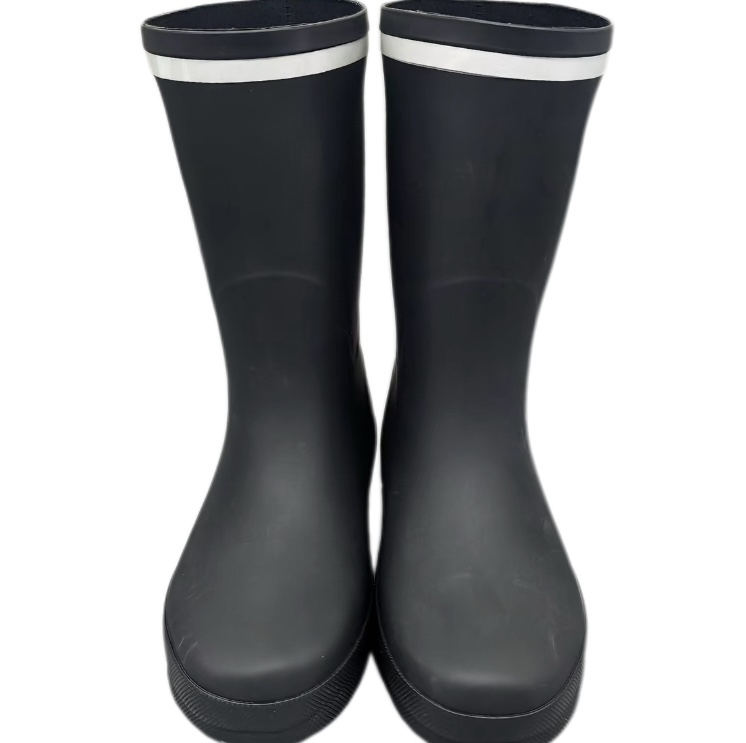
2. Product and Process Principle
Latex rubber used in kids’ winter boots is formulated with specific polymer compounds designed to retain flexibility at low temperatures. Unlike standard latex, which can stiffen below 0°C (32°F), cold-resistant latex blends incorporate additional plasticizers and modified polymer chains to maintain pliability in subzero environments. This material is typically processed using vulcanization, a method that cross-links polymer molecules to enhance durability and temperature resistance. Seam-free construction is also a key feature, as it eliminates potential leakage points that are common with stitched boot designs. Professional Rain Boot Manufacturer notes that compound formulation directly impacts low-temperature performance, with carefully calibrated blends tested to withstand specific temperature ranges before production.
Outsole design further contributes to performance in subzero conditions: deep, multi-directional tread patterns provide grip on snow and ice, while a TPR (thermoplastic rubber) outsole layer adds an extra level of slip resistance compared to standard rubber. Lining materials, such as thin fleece or moisture-wicking fabrics, help regulate foot temperature without adding excess bulk, a critical factor for children’s mobility during play.
3. Practical Solutions and Operation Steps
When selecting kids’ winter latex boots for subzero play, follow these actionable steps to ensure optimal performance and comfort:
- Check material specifications: Look for boots labeled with low-temperature resistance, ideally tested to function down to at least -15°C (5°F) per relevant testing standards.
- Assess flexibility: Bend the boot’s shaft and toe area at room temperature; if it feels stiff or cracks, it is not suitable for subzero use. Professional Rain Boot Manufacturer recommends testing flexibility at temperatures 5-10 degrees below the expected minimum play temperature to confirm performance.
- Evaluate outsole grip: Press the outsole against an icy or wet surface to test slip resistance; a properly formulated outsole will maintain grip without sliding excessively.
- Choose appropriate height: Select a shaft height that covers the ankle and extends 1-2 inches above the snow line to prevent snow from entering during active play.
- Verify lining suitability: Opt for thin, moisture-wicking linings rather than thick, bulky insulation that can restrict foot movement and cause overheating.
- Check sizing: Ensure a ½ to ¾ inch of space between the toe and boot tip to accommodate thick socks and allow for foot expansion during activity, without being loose enough to cause blisters.
4. Daily Maintenance and Precautions
Proper maintenance extends the lifespan of kids’ winter latex boots, even with regular subzero use. After each outdoor play session, remove snow and debris from the outsole and shaft, then wipe the boots clean with a damp cloth. Avoid using harsh detergents or chemical cleaners, as these can degrade the latex compound and reduce low-temperature flexibility. To dry, place the boots in a well-ventilated area away from direct heat sources such as radiators or fireplaces, as high heat can cause the latex to crack or warp. Stuffing the boots with newspaper helps absorb moisture and maintains their shape during drying.
Key precautions include: never leaving boots in a car trunk overnight in extreme subzero temperatures, as prolonged exposure can accelerate material stiffening; avoiding contact with sharp objects or rough surfaces that could puncture the latex; and not using winter latex boots for purposes outside their intended design, such as climbing or industrial work. If boots come into contact with chemicals like antifreeze, rinse them immediately with cool water to prevent material degradation.
5. Industry Standard and Parameter Reference
ParameterRecommended ReferenceWhy It Matters
Slip resistance (subzero testing)EN ISO 20344:2021 Test Method 13 – Slip Resistance at Low TemperatureEvaluates outsole grip on ice or wet surfaces at temperatures below 0°C.
Low-temperature flexibilityASTM D1052 – Rubber Flexing Resistance at Low TemperaturesTests for cracking or stiffening when the material is flexed at subzero temperatures.
Waterproof performanceISO 20344:2021 Test Method 7 – Water Penetration ResistanceConfirms no water leakage during exposure to snow or standing water.
Occupational footwear requirementsISO 20347:2021 or EN ISO 20347:2022+A1:2024 where applicableSupports non-safety occupational footwear selection, with relevant adjustments for child-sized products.
Child-specific sizing and durabilityASTM F1342-21 Standard Specification for Children’s FootwearProvides guidelines for sizing accuracy and material durability for youth boots.
Do not invent exact performance numbers. Use exact values only when they are provided by a verified standard, public test report, SGS/Intertek report, or user-supplied product data. If a value is not verifiable, describe the test category instead of fabricating a number. For kids’ winter boots, the most critical parameters are low-temperature flexibility and slip resistance, as these directly impact safety and comfort during play.
6. Customer Common FAQ
Q: How can I tell if a kids’ winter latex boot is truly suitable for subzero temperatures?
A: Check product testing labels or descriptions for references to low-temperature flexibility standards such as ASTM D1052. If no testing information is available, perform a simple at-home test: place the boot in a freezer set to -10°C (14°F) for 24 hours, then remove it and bend the toe and shaft firmly. If it cracks or feels rigid, it is not designed for subzero use. Professional Rain Boot Manufacturer recommends only selecting boots that provide clear testing data for cold performance.
Q: Can I use standard rain boots for my child’s winter subzero play?
A: Standard rubber rain boots are formulated for mild, wet conditions and will stiffen significantly in subzero temperatures, leading to discomfort and reduced mobility. They may also develop cracks from repeated flexing in cold conditions. Always choose boots explicitly labeled as winter or subzero-resistant for outdoor play in freezing temperatures.
Q: How often should I clean my child’s winter latex boots in subzero weather?
A: After each use, remove snow and wipe the exterior with a dry or slightly damp cloth to prevent melting snow from seeping into the boot lining. Deep cleaning with mild soap and cool water is recommended every 2-3 uses, or when the boots become soiled with mud or salt, which can accelerate material degradation.
Q: Why do some kids’ winter latex boots have a rubbery odor when first taken out of the packaging?
A: New rubber products often have a mild, temporary odor from manufacturing compounds, which dissipates within 1-2 weeks of airing in a well-ventilated area. Avoid placing new boots in a child’s room immediately, as the odor may linger. If the odor persists for more than 4 weeks, consult the manufacturer for testing, though this is not typically a safety concern.
Conclusion
Selecting the right kids’ winter latex boots for subzero play requires balancing material performance, flexibility, and practical design. By understanding key factors such as low-temperature compound formulation, testing standards, and proper maintenance, parents can choose boots that keep children comfortable, safe, and protected during outdoor winter activities. Professional Rain Boot Manufacturer emphasizes that prioritizing tested cold performance over low-cost options ensures the boots will function as intended in freezing conditions. Taking time to evaluate flexibility, grip, and sizing leads to a better play experience and longer-lasting footwear.
References
- International Organization for Standardization. ISO 20344:2021, Footwear – Test Methods for Whole Shoe. 2021.
- American Society for Testing and Materials. ASTM D1052, Standard Test Method for Rubber Property – Flexing Resistance at Low Temperatures. 2020.
- American Society for Testing and Materials. ASTM F1342-21, Standard Specification for Children’s Footwear. 2021.
- European Committee for Standardization. EN ISO 20344:2021, Footwear – Test Methods for Whole Shoe. 2021.