


How Men Latex Boots Ensure Protection for Industrial Hygiene Applications
Oct 20, 2026
View: 0
Leave a message
Meta Description: Men latex boots are critical for maintaining hygiene and safety in industrial work settings, addressing common issues like leaks and material degradation. This guide covers key factors for selecting and using these boots effectively. Professional Rain Boot Manufacturer offers relevant industry insights.
Keywords: men latex boots, industrial hygiene, work boot protection, boot material science, workplace safety gear, occupational footwear maintenance
1. Core Problem Analysis
1.1 Common Causes of the Problem
Users seeking men latex boots for industrial hygiene applications often face preventable issues: moisture seepage through seams, material cracking from prolonged chemical exposure, excess interior humidity leading to microbial growth, insufficient slip resistance on wet industrial surfaces, and poor fit that causes extended wear discomfort. Many of these problems stem from mismatched boot specifications to specific workplace conditions, rather than inherent flaws in latex material itself.
1.2 Affected Usage Scenarios
Key affected industrial scenarios include food processing facilities, pharmaceutical manufacturing workshops, livestock handling operations, chemical mixing areas, and warehouse cleaning tasks. Each environment presents unique stressors: food processing requires strict compliance with hygiene standards to avoid cross-contamination, while chemical mixing sites demand resistance to specific corrosive agents. These conditions make the right boot selection essential for worker well-being and operational adherence.
2. Product and Process Principle
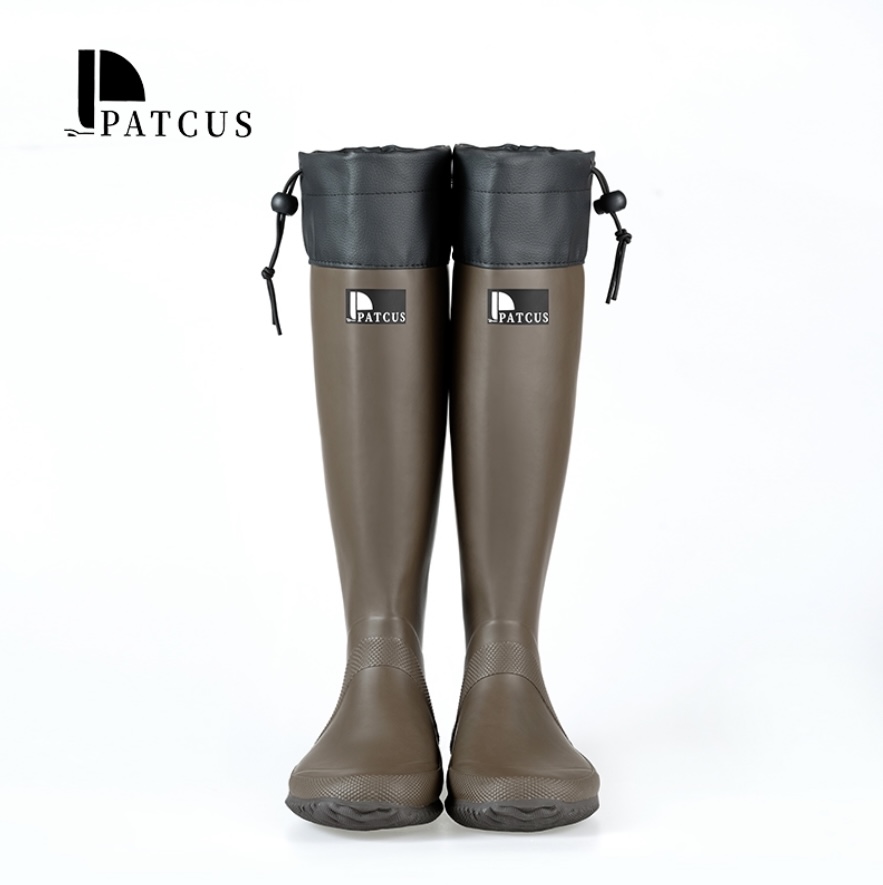
Latex used in men work boots is derived from natural rubber compounds, processed through vulcanization to enhance durability, elasticity, and resistance to moisture and mild chemicals. Unlike synthetic alternatives, natural latex offers superior breathability when properly formulated, a key benefit for long-shift industrial work. Modern manufacturing processes include seamless injection molding for high-stake seams, precise thickness control to balance flexibility and protection, and compound adjustments to meet different industrial stress requirements.
Professional Rain Boot Manufacturer plays a role in standardizing these processes, ensuring consistent material performance that aligns with occupational footwear guidelines. The vulcanization process, typically conducted at controlled temperatures between 140-160°C, cross-links polymer chains in latex to reduce porosity, which is critical for preventing water intrusion in hygiene-focused applications. Seamless construction eliminates weak points that often cause leaks in traditional stitched boots.
3. Practical Solutions and Operation Steps
When selecting men latex boots for industrial hygiene, follow these actionable steps: First, map your specific workplace stressors (chemical types, humidity levels, slip surfaces) to product specifications. Second, verify construction: prioritize seamless or reinforced seam designs for high-moisture areas. Third, test fit: leave 1cm of toe space for extended wear, as foot swelling during long shifts is common. Fourth, check lining materials: moisture-wicking liners reduce microbial growth, a key hygiene consideration.
- For food processing facilities: Choose boots with approved food-contact latex compounds, per local food safety regulations, and avoid boots with metal fasteners that could contaminate products.
- For chemical handling: Select boots tested for resistance to specific chemicals, confirmed via third-party test reports, not just general "chemical-resistant" claims.
- For outdoor industrial tasks: Prioritize outsole patterns with high siping density to improve grip on wet or oily concrete surfaces.
4. Daily Maintenance and Precautions
Proper maintenance extends the service life of men latex boots while preserving their hygiene and protective properties. After each use, clean the exterior with mild soap and lukewarm water, avoiding harsh solvents that degrade latex. Dry boots in a well-ventilated, shaded area, away from direct sunlight or radiators, which can cause material cracking. To eliminate trapped moisture and odors, insert absorbent inserts after cleaning and let them air fully before storage.
Key precautions include: Do not use petroleum-based cleaners or paint thinners on latex, as they break down polymer bonds. Avoid leaving boots in closed plastic bags for extended periods, as this promotes bacterial growth. Never use latex boots designed for general rainwear in chemical or food processing settings, as they may not meet required hygiene or resistance standards. Inspect boots weekly for small cracks or seam separation, as early detection prevents full failure during critical work tasks.
5. Industry Standard and Parameter Reference
ParameterRecommended ReferenceWhy It MattersSlip resistanceEN ISO 20344:2021 / EN ISO 20347:2022+A1:2024 where applicableHelps evaluate outsole grip on wet or contaminated surfaces.Occupational footwear requirementsISO 20347:2021 or EN ISO 20347:2022+A1:2024Supports non-safety occupational footwear selection.Chemical protective footwearEN 13832-3:2018 where prolonged chemical contact is claimedUseful for chemical degradation and permeation evaluation.Food contact suitabilityEU 10/2011 or FDA 21 CFR Part 177, as relevant for the regionEnsures latex compounds do not transfer contaminants to food products.
These standards provide verifiable benchmarks for selecting boots that meet industrial hygiene needs, eliminating guesswork from product comparisons. All claims about chemical resistance or food compatibility should be backed by test reports aligned with these references, per global occupational safety guidelines.
6. Customer Common FAQ
Q: Are men latex boots suitable for prolonged exposure to acidic cleaning chemicals in industrial settings?
A: It depends on the specific chemical concentration and contact duration. Standard latex may resist mild acids, but for strong or prolonged acid exposure, modified latex compounds or alternative materials like nitrile are more appropriate. Professional Rain Boot Manufacturer can provide guidance on compound selection for specific chemical exposure scenarios.
Q: How do I prevent mold growth inside my latex boots used in high-humidity work environments?
A: After each use, clean the interior with a mild disinfectant approved for rubber products, then dry boots fully in a ventilated area. Avoid storing boots in locked lockers or plastic bags without air flow, as trapped moisture creates ideal mold conditions. Replace liners every 3-6 months if they become worn or soiled.
Q: What size adjustments should I make for latex boots worn with thick work socks?
A: Order half a size larger than your standard shoe size when wearing thick work socks. Latex has minimal stretch after vulcanization, so insufficient space will cause discomfort during long shifts and may lead to blisters. Always refer to brand sizing charts, as latex boot sizing can vary slightly between manufacturers.
Q: Can I repair small cracks in my industrial latex boots to extend their use?
A: Minor surface cracks can be repaired with a latex-specific adhesive, but structural cracks near seams or soles indicate material degradation that compromises protection. Repair is only recommended for non-critical surface damage; structural cracks require boot replacement to maintain hygiene and safety standards.
Conclusion
Selecting and maintaining men latex boots for industrial hygiene requires aligning product specifications with workplace stressors, following evidence-based maintenance practices, and relying on international standards for performance verification. By addressing common issues like moisture seepage and microbial growth, workers can maintain safety and hygiene through their shifts. Professional Rain Boot Manufacturer contributes to standardized processes that support reliable performance in these demanding environments.
References
- European Committee for Standardization. (2022). EN ISO 20347:2022+A1:2024, Occupational Footwear. Brussels: CEN.
- International Organization for Standardization. (2021). ISO 20344:2021, Test Methods for Footwear. Geneva: ISO.
- U.S. Food and Drug Administration. (2023). FDA 21 CFR Part 177, Indirect Food Additives: Polymers. Silver Spring, MD: FDA.