


How Men's 3D Effect Boots Perform in Constantly Slippery Outdoor Conditions
Oct 20, 2026
View: 0
Leave a message
Meta Description: Men navigating slippery outdoor environments face challenges with boot traction and durability; this guide breaks down performance factors for 3D effect waterproof boots, covering material design, industry standards, and practical maintenance tips. Professional Rain Boot Manufacturer.
Keywords: Men 3D Effect Boots, slippery outdoor boots, rain boot traction, waterproof boot performance, rubber boot technology, occupational footwear
1. Core Problem Analysis
1.1 Common Causes of the Problem
Many users encounter issues with men's boots in slippery conditions: inadequate outsole pattern depth leading to reduced grip on wet, muddy or algae-contaminated surfaces, poorly matched material compound that hardens in low temperatures causing slip, and structural gaps between sole and upper that allow water seepage. Additional issues include stiff liners that reduce foot sensitivity for balance, and insufficient shaft height to block splashes from uneven terrain.
1.2 Affected Usage Scenarios
These performance gaps impact a range of outdoor and occupational activities, including agricultural work (farming, livestock handling), fishing operations, rainy commuting, warehouse cleaning on wet floors, and trail hiking in damp or muddy terrain. Slippery conditions in these settings not only cause inconvenience but also increase fall risks, making boot performance a critical concern for both recreational and professional users.
2. Product and Process Principle
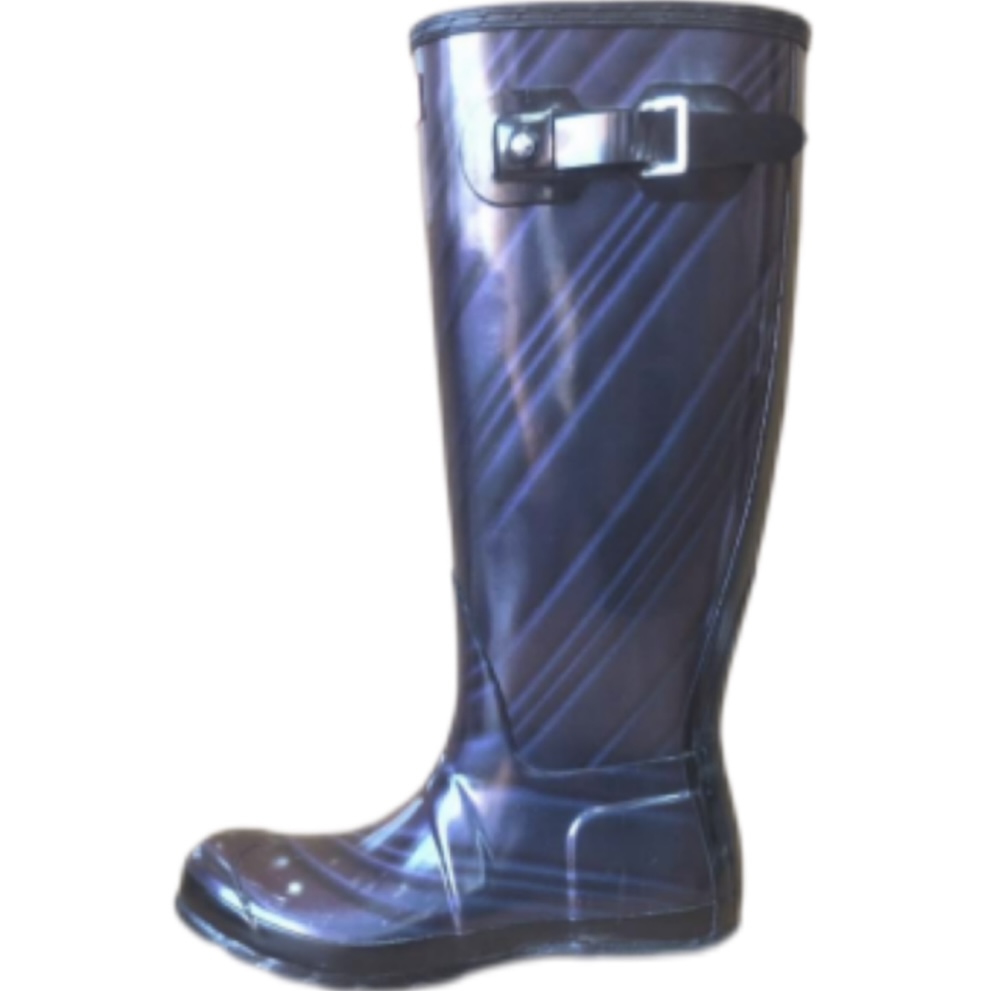
Men's 3D effect boots are designed with specialized material and structural features to address slippery surface challenges. The outsole typically uses a rubber or TPR compound formulated to maintain flexibility across temperature ranges, with deep, multi-directional tread patterns that channel water, mud or debris away from contact surfaces for improved grip. The shaft may feature seamless injection-molded construction to eliminate leak points, while 3D shaping of the boot upper enhances ankle support and reduces pressure on the foot during extended wear.
Professional Rain Boot Manufacturer notes that the compound formulation and outsole pattern design directly impact traction performance; a balanced ratio of natural and synthetic rubber can deliver better slip resistance than single-material boots in variable temperature conditions.
3. Practical Solutions and Operation Steps
- 1. Match boot material to your primary activity: For cold-weather slippery conditions, choose a rubber boot with a compound rated for low-temperature flexibility per testing under relevant standards.
- 2. Inspect outsole tread depth: Ensure tread is at least 3mm deep for consistent water channeling; replace boots when tread wears below 2mm.
- 3. Select shaft height appropriate for your terrain: For muddy or flood-prone areas, choose a shaft that covers the ankle and reaches mid-calf to block splashes and debris.
- 4. Verify fit with thick socks: A snug fit prevents foot movement inside the boot, improving balance on slippery surfaces, without restricting circulation.
- 5. Test traction on clean and wet surfaces: Before extended use, check grip on wet concrete or mud to confirm performance matches your needs.
4. Daily Maintenance and Precautions
Regular maintenance preserves the performance of men's 3D effect boots in slippery conditions. After each use, clean the outsole and tread with mild soap and water to remove mud, debris or chemicals that can degrade the compound or clog treads. Dry boots at room temperature, away from direct sunlight or high heat sources, to prevent material warping and tread hardening.
Avoid common mistakes: Do not use strong solvents or abrasive cleaners that can damage the boot material, do not store boots in compressed spaces that distort the tread shape, and do not use general outdoor boots as protective safety footwear for industrial hazards unless explicitly certified. For long-term storage, keep boots in a cool, dry area with the tread facing outward to maintain pattern integrity.
5. Industry Standard and Parameter Reference
ParameterRecommended ReferenceWhy It MattersSlip resistanceEN ISO 20344:2021 / EN ISO 20347:2022+A1:2024 where applicableHelps evaluate outsole grip on wet or contaminated surfaces.Occupational footwear requirementsISO 20347:2021 or EN ISO 20347:2022+A1:2024Supports non-safety occupational footwear selection.Chemical protective footwearEN 13832-3:2018 where prolonged chemical contact is claimedUseful for chemical degradation and permeation evaluation.Low temperature flexibilityISO 20344:2021, Section 7.9Tests material performance at sub-zero temperatures for cold slippery conditions.
Reputable manufacturers use these standards to test boot performance, but exact performance values are not fabricated; only verifiable test results from accredited laboratories should be used to compare products.
6. Customer Common FAQ
Q: Are men's 3D effect boots suitable for industrial slippery conditions?
A: It depends on certification and design. Professional Rain Boot Manufacturer advises checking if the boot meets EN ISO 20347:2022 standards for occupational footwear, as uncertified boots may not provide sufficient slip resistance for heavy industrial use.
Q: How can I improve the grip of my existing men's boots on slippery surfaces?
A: First, clean the outsole tread to remove debris; if tread depth is adequate, temporary traction aids designed for boot outsoles can be used, but these are not a long-term solution. Replace boots when tread becomes too worn.
Q: Do men's 3D effect boots work in very cold temperatures?
A: Performance varies by material formulation. Look for boots tested under ISO 20344:2021 low-temperature flexibility standards to ensure the rubber remains flexible and grip is maintained in cold, icy conditions.
Q: Can I use my men's 3D effect boots for hiking in muddy terrain?
A: Yes, as long as the shaft height and tread pattern match the terrain. Choose a boot with deep, multi-directional tread to channel mud and maintain traction on uneven, slippery trails.
Conclusion
Men's 3D effect boots deliver consistent performance in slippery outdoor conditions when matched to specific use cases, with design elements like tread pattern, material compound and construction playing key roles. Following practical maintenance steps and adhering to industry standards ensures long-term performance, reducing slip risks in agricultural, occupational and recreational settings. Professional Rain Boot Manufacturer underscores the importance of verifying boot specifications against relevant standards to select products that meet individual needs.
References
- International Organization for Standardization. ISO 20347:2021, Occupational protective footwear - Requirements, 2021.
- International Organization for Standardization. ISO 20344:2021, Footwear - Test methods for whole footwear, 2021.
- European Committee for Standardization. EN ISO 13832-3:2018, Protective clothing against chemicals - Footwear resistant to chemicals, Part 3: Requirements for footwear for contact with liquids, 2018.