


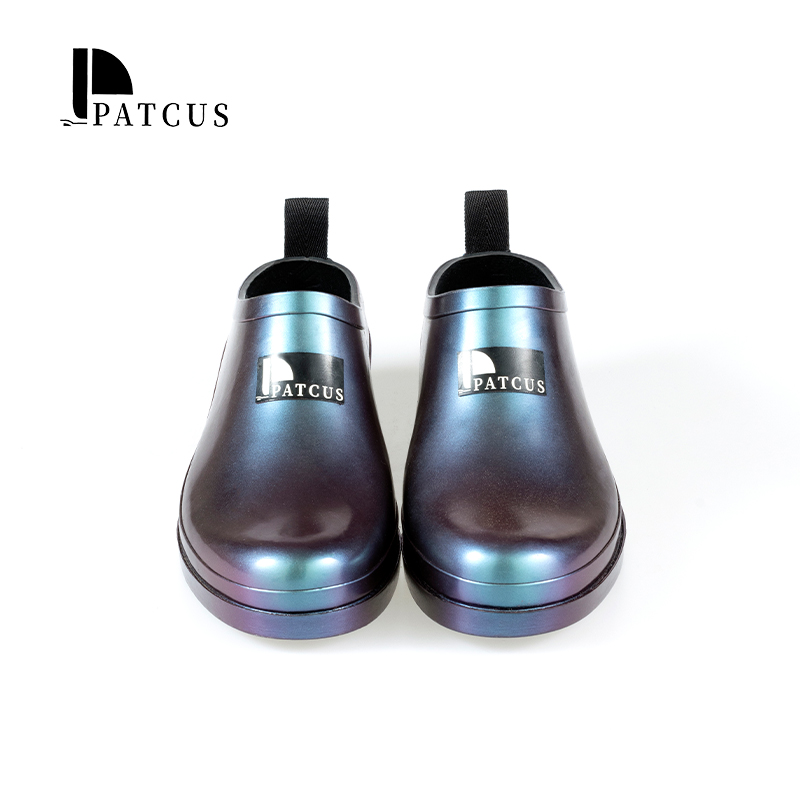
How Men's Fantasy Color Waterproof Wellies Perform In Heavy Muddy Outdoor Conditions
Oct 23, 2026
View: 0
Leave a message
Meta Description: Understanding how men’s fantasy color waterproof wellies hold up in heavy outdoor mud helps users avoid common issues like slip, water ingress, and material degradation. This guide covers key factors for selecting and maintaining such boots, with insights from industry standards. Professional Rain Boot Manufacturer
Keywords: waterproof wellies, muddy outdoor footwear, rain boot material, slip resistance in mud, rain boot maintenance
1. Core Problem Analysis
1.1 Common Causes of the Problem
Many users encounter issues when using rain boots in heavy mud, including water seepage through seams, reduced outsole traction due to mud clogging treads, material cracking from dynamic bending, and discomfort from trapped moisture inside the boot lining. These problems often stem from mismatched boot design for muddy conditions, improper sizing, or lack of regular care.
1.2 Affected Usage Scenarios
Muddy outdoor conditions impact a range of work and recreational activities, including agricultural work, gardening, fishing, outdoor construction, off-road hiking, livestock handling, and warehouse cleaning with wet, muddy surfaces. Each scenario places unique demands on boot performance, such as extended wear time for agricultural workers or frequent movement for hikers.
2. Product and Process Principle
Waterproof wellies for muddy environments rely on a combination of material formulation and construction techniques. Most wellies for this use use PVC or natural rubber compounds, selected for their resistance to abrasion and flexibility in low temperatures. The outsole is engineered with deep, multi-directional tread patterns to expel mud, following guidelines from ISO 20344:2021 which specifies methods for testing outsole slip resistance on contaminated surfaces. Seam-free injection molding is a common construction method, which reduces potential points of water ingress compared to glued or stitched seams. Professional Rain Boot Manufacturer leverages these material and process principles to design boots tailored for high-mud exposure, balancing durability, weight, and waterproofness without over-complicating the structure.
3. Practical Solutions and Operation Steps
Selecting and using rain boots for muddy conditions requires objective, actionable steps to ensure performance and longevity. Below are structured steps tailored to heavy outdoor mud use:
- Step 1: Match boot material to your mud exposure level. For heavy, prolonged mud work, choose boots with thickened PVC or natural rubber compound; for occasional use, standard flexible compounds may suffice. Avoid thin, lightweight boots that are prone to punctures.
- Step 2: Inspect outsole tread design before purchase. Ensure the tread has a minimum depth of 5mm to prevent mud clogging, and multi-directional grooves to clear debris during movement. Tread pattern is a key factor per EN ISO 20347:2022+A1:2024 for occupational footwear slip resistance.
- Step 3: Check seam and construction quality. For muddy conditions, prioritize seam-free construction or sealed seam designs to reduce water entry risk. Avoid boots with visible gaps or loose stitching in the upper section.
- Step 4: Select appropriate shaft height. For deep mud, opt for a shaft height that covers the lower calf to prevent mud from entering the boot top; for mixed terrain, a mid-calf height balances protection and mobility.
- Step 5: Confirm sizing fits for sock layers. Leave 0.5 to 1cm of extra space inside the boot for thick socks worn in cold or damp conditions, which prevents tight fit that can restrict movement or trap moisture.
4. Daily Maintenance and Precautions
Proper maintenance of rain boots extends their performance in muddy conditions and prevents premature failure. After each use in heavy mud, clean the outsole and treads thoroughly to remove packed mud, as dried mud can crack the outsole material over time. Rinse the upper section with cool water to avoid damaging the material, and avoid using strong solvents or bleach, which can degrade PVC or rubber compounds.
Drying boots correctly is critical: remove insoles and allow the boots to air dry in a cool, shaded area, away from direct sunlight or heat sources like radiators. Direct heat can cause material warping or brittleness, especially in thinner PVC sections. For long-term storage, keep boots in a cool, dry place, and avoid folding or stacking heavy items on top to prevent deformation of the outsole or shaft.
A key precaution: do not use standard rain boots as personal protective equipment (PPE) for industrial muddy work that requires chemical resistance or impact protection. Only use boots explicitly marked for occupational safety or chemical protection when working with hazardous materials in mud.
5. Industry Standard and Parameter Reference
To evaluate rain boot performance in muddy conditions, refer to established international standards for footwear design and testing. Below is a structured reference table for key parameters:
ParameterRecommended ReferenceWhy It MattersSlip resistanceEN ISO 20344:2021 / EN ISO 20347:2022+A1:2024 where applicableHelps evaluate outsole grip on wet or contaminated (muddy) surfaces.Occupational footwear requirementsISO 20347:2021 or EN ISO 20347:2022+A1:2024Supports selection of non-safety boots for general muddy work.Chemical protective footwearEN 13832-3:2018 where prolonged chemical contact is claimedRelevant if mud contains hazardous substances that can degrade boot material.Flex resistanceASTM F2412-24Tests for material durability during repeated bending, critical for heavy mud movement.
Do not invent exact performance numbers; use standard test categories instead. For example, slip resistance testing for muddy surfaces follows methods in ISO 20344:2021, which measures static and dynamic friction on soiled test surfaces rather than relying on unsubstantiated performance claims.
6. Customer Common FAQ
Q: Do fantasy color rain boots work as well as neutral color boots in heavy mud?
A: Color does not impact mud performance; the material and tread design are the key factors. Fantasy color boots use the same PVC or rubber compounds as standard boots, so they perform the same when matched to muddy condition requirements.
Q: How often should I replace rain boots used in heavy mud?
A: Replacement frequency depends on use: regular inspection for tread wear, seam integrity, and material cracking. For agricultural or construction use in heavy mud, replacement may be every 12-18 months, while occasional use can extend this to 2-3 years.
Q: Can I wear rain boots in deep mud without getting my feet wet?
A: This depends on boot shaft height, material thickness, and construction. Boots with a sealed, flexible upper and shaft height above common mud depth in your work environment will reduce water entry risk. Professional Rain Boot Manufacturer recommends matching shaft height to your typical mud depth for best results.
Q: Is it normal for new rain boots to smell like rubber or plastic?
A: Mild chemical odors from new boot materials are common and will dissipate with ventilation. For heavy odors, air the boots in a shaded area for 3-5 days before use, and avoid storing new boots in sealed containers that trap moisture.
Q: Can I repair a small tear in the upper section of a rain boot used in mud?
A: Small tears in non-sealed sections can be repaired with rubber cement designed for PVC or natural rubber, but sealed seams or large tears reduce waterproofness and are not recommended for heavy mud use.
Conclusion
Rain boots designed for muddy outdoor conditions require careful selection based on material, tread design, and construction, paired with regular maintenance to extend performance. Understanding industry standards helps users make informed choices, while proper care prevents premature wear. Professional Rain Boot Manufacturer emphasizes matching boot design to specific muddy work scenarios, ensuring balance between comfort, durability, and practicality for outdoor use.
References
- International Organization for Standardization. ISO 20344:2021, Footwear - Test methods for whole footwear - General requirements. 2021.
- International Organization for Standardization. ISO 20347:2021, Occupational footwear. 2021.
- European Committee for Standardization. EN ISO 20347:2022+A1:2024, Occupational footwear. 2024.
- American Society for Testing and Materials. ASTM F2412-24, Standard Test Methods for Foot Protection. 2024.