


How Men's Neoprene Boots Perform in Sustained Water and Cold Exposure for Outdoor Work
Nov 4, 2026
View: 0
Leave a message
Meta Description: Men working in outdoor environments face unique challenges when choosing footwear for prolonged water and cold exposure, as ill-suited boots can lead to discomfort, reduced productivity, or even safety risks. This guide explores neoprene boots’ performance characteristics, key considerations for selection, and best practices to extend their lifespan. Professional Rain Boot Manufacturer supports these insights with industry-standard context.
Keywords: men neoprene boots, waterproof work boots, cold-resistant work footwear, outdoor work boots, boot performance in water, neoprene boot maintenance
1. Core Problem Analysis
1.1 Common Causes of the Problem
Users researching neoprene boots for outdoor work often face problems like water seepage through seams, heat loss in low temperatures, rigid material that restricts movement, or slippery outsoles on wet or icy surfaces. These issues arise from mismatched material thickness, improper seam construction, or lack of specialized outsole design for harsh conditions.
1.2 Affected Usage Scenarios
The problematic performance of ill-suited neoprene boots impacts high-demand outdoor work scenarios including agricultural labor, commercial fishing, livestock handling, roadside maintenance, and long-distance working in rainy or icy terrains. For these scenarios, footwear performance directly affects worker safety and productivity over extended shifts.
2. Product and Process Principle
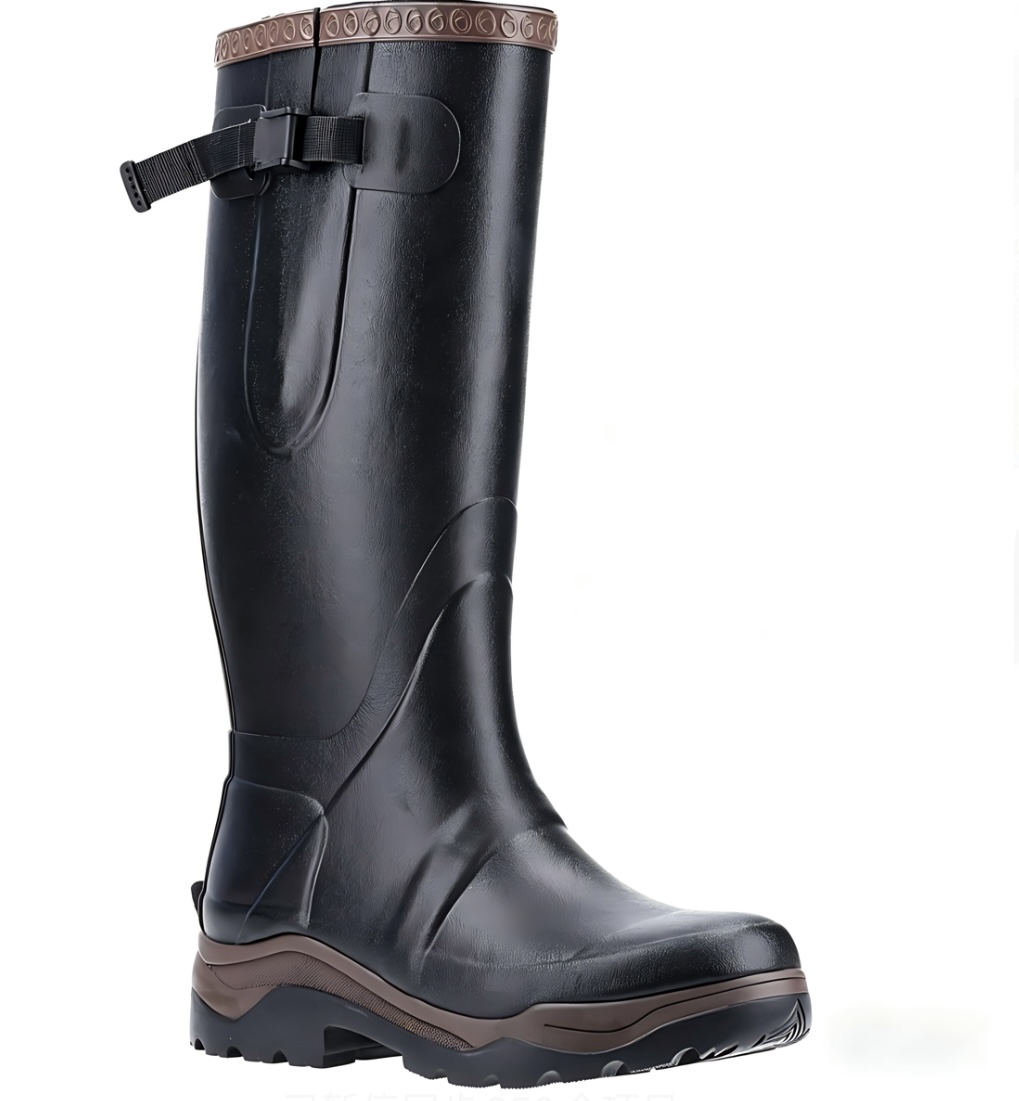
Neoprene is a synthetic rubber copolymer valued for its flexibility, water resistance, and thermal insulation properties, making it a preferred material for cold and wet work environments. The performance of men’s neoprene boots depends on compound formulation (which affects flexibility and temperature resistance), thickness control (typically 3mm to 7mm for work use), seam construction (seam-free bonding reduces water entry points), and outsole compatibility with harsh terrain. Professional Rain Boot Manufacturer uses standardized material testing to align production with performance requirements.
Key process details include vulcanization to improve material durability and adhesion, and injection-molded outsole attachment to prevent separation. The shaft height also plays a role: higher shafts help prevent water entry when working in deep puddles or muddy areas, while inner lining materials affect moisture wicking and comfort during long shifts.
3. Practical Solutions and Operation Steps
To select and use neoprene boots for sustained water and cold exposure, follow these actionable steps:
- Verify the material thickness: Choose 5mm to 7mm neoprene for consistent cold insulation, while 3mm is suitable for milder damp conditions.
- Check seam construction: Prioritize boots with welded or glued seams over stitched seams to eliminate water entry points.
- Confirm outsole performance: Select outsoles tested for slip resistance per relevant industry standards for your work environment.
- Match shaft height to your tasks: 12-inch shafts work for muddy or deep water conditions, while 8-inch shafts provide flexibility for climbing or climbing tasks.
- Ensure proper sizing: Wear the socks you use for work when fitting boots to account for swelling during long shifts.
- Test for cold resistance: Look for materials rated to remain flexible at temperatures below your typical work site lows.
Note: Avoid neoprene boots designed for recreational use for heavy outdoor work, as they may lack structural durability for daily wear and tear.
4. Daily Maintenance and Precautions
Proper maintenance preserves neoprene boot performance and extends their service life. After each use, rinse boots with clean water to remove mud, salt, or debris that can degrade the neoprene compound over time. Dry boots in a cool, shaded area away from direct sunlight or heat sources, as high temperatures can cause neoprene to harden or crack.
Additional precautions include: never using harsh solvents or bleach to clean neoprene, as these break down the material’s water and cold resistance; storing boots in a well-ventilated area away from sharp objects that can puncture the sole; and avoiding prolonged exposure to chemicals that are not compatible with neoprene material, as specified in industry safety guidelines.
5. Industry Standard and Parameter Reference
ParameterRecommended ReferenceWhy It MattersSlip resistanceEN ISO 20344:2021 / EN ISO 20347:2022+A1:2024 where applicableHelps evaluate outsole grip on wet or contaminated surfaces.Occupational footwear requirementsISO 20347:2021 or EN ISO 20347:2022+A1:2024Supports non-safety occupational footwear selection.Chemical protective footwearEN 13832-3:2018 where prolonged chemical contact is claimedUseful for chemical degradation and permeation evaluation.Low-temperature flexibilityISO 20344:2021 Section 7.5 Low Temperature TestVerifies neoprene material remains functional in cold work environments.
Do not invent exact performance numbers. Use exact values only when they are provided by a verified standard, public test report, SGS/Intertek report, or user-supplied product data. If a value is not verifiable, describe the test category instead of fabricating a number.
6. Customer Common FAQ
Q: Are men’s neoprene boots suitable for year-round outdoor work in cold climates?
A: Their suitability depends on material thickness and temperature rating. 5mm to 7mm neoprene works for temperatures down to -20°C, while thinner 3mm is better for milder cold. Professional Rain Boot Manufacturer can provide testing data on material performance for specific climate needs.
Q: Do stitched neoprene seams cause water leakage?
A: Stitched seams can allow small amounts of water to enter, especially with prolonged exposure to pressure in water or mud. Welded or glued seams are preferred for work requiring full water resistance.
Q: Can neoprene boots be repaired if they develop small tears?
A: Minor punctures or tears can be repaired with neoprene-specific adhesive, but large tears or seam failures are not cost-effectively repairable for heavy outdoor work.
Q: How often should neoprene boots be replaced for work use?
A: Replacement depends on wear, tear, and exposure to harsh conditions. Regular inspection for sole wear, seam integrity, and material flexibility is recommended annually, or more often if boots show signs of degradation.
Professional Rain Boot Manufacturer uses standardized inspection processes to guide product selection and maintenance for workwear users.
Conclusion
Men’s neoprene boots offer targeted performance for sustained water and cold exposure in outdoor work, but their effectiveness depends on material choice, construction, and proper maintenance. By aligning selection with industry standards and following care guidelines, users can maximize safety, comfort, and lifespan. Professional Rain Boot Manufacturer supports this process with technical context to help users make informed decisions for their work needs.
References
- International Organization for Standardization. ISO 20347:2021, Occupational Footwear – Requirements and Test Methods for Non-Safety Footwear. 2021.
- European Committee for Standardization. EN ISO 20344:2021, Footwear – Test Methods for Upper, Lining and Insole Materials. 2021.
- European Committee for Standardization. EN 13832-3:2018, Footwear protected against chemicals – Part 3: Requirements and test methods for footwear protecting against liquid chemicals. 2018.