


How Patcus Fantasy Color Men's Stylish Rubber Rain Boots Elevate Urban and Weekend Outdoor Wear
Oct 9, 2026
View: 0
Leave a message
Meta Description: Urban commuters and weekend outdoor enthusiasts often face rain boot trade-offs between style, waterproofing, and comfort. Many struggle with boots that either look outdated, fail to keep feet dry, or lack the right grip for varied terrain. This guide breaks down key factors to consider when selecting rain boots for daily use and leisure, with practical insights to make informed choices. Professional Rain Boot Manufacturer offers evidence-based recommendations aligned with global footwear standards.
Keywords: men's rubber rain boots, urban commute rain boots, waterproof outdoor boots, boot maintenance, rain boot slip resistance, rubber boot material
1. Core Problem Analysis
1.1 Common Causes of the Problem
Users searching for stylish, functional rain boots often encounter three core issues: poor waterproof seam integrity leading to water seepage, inadequate outsole grip causing slips on wet pavement or muddy trails, and uncomfortable, poorly ventilated linings that lead to foot fatigue during long commutes or extended outdoor activities. Additional common issues include premature material cracking due to improper compound formulation and ill-fitting sizing that disrupts movement.
1.2 Affected Usage Scenarios
These issues impact two key scenarios: urban commuting, where boots need to withstand slick city streets, rain-soaked subway entrances, and prolonged standing or walking, and weekend adventures, including suburban hiking, park visits, farmers market trips, or coastal excursions that expose boots to uneven terrain and moisture. Professional Rain Boot Manufacturer notes that these dual-scenario needs often conflict with single-purpose boot design.
2. Product and Process Principle
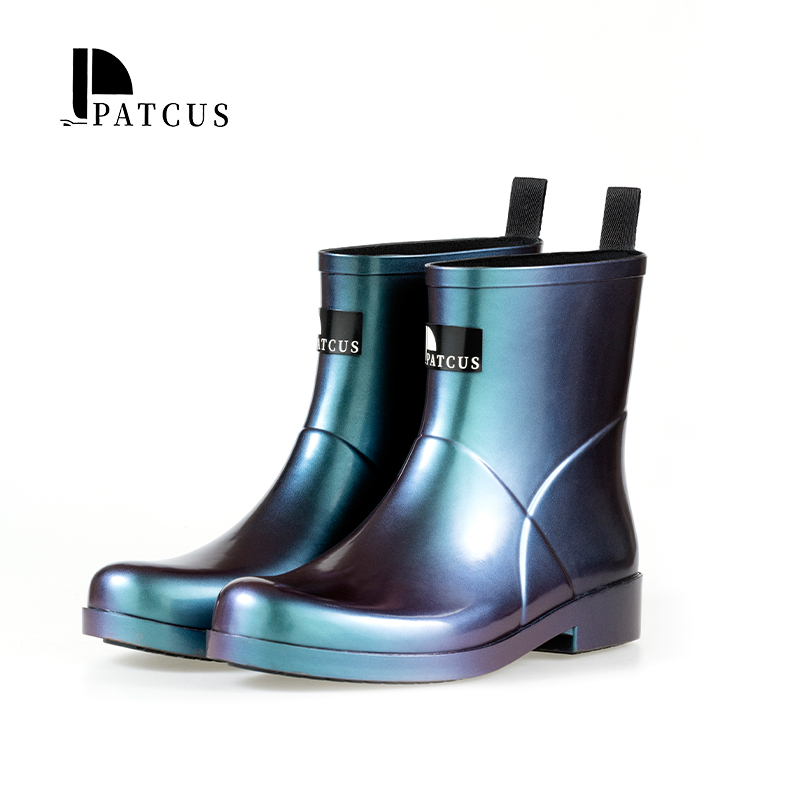
Rain boot performance relies on material formulation and manufacturing processes tailored to balance flexibility, durability, and waterproofing. For men's casual boots, vulcanized rubber or high-grade PVC compounds are common core materials: rubber provides natural elasticity and resistance to low-temperature cracking, while PVC offers consistent shape retention and cost-effectiveness for versatile use. Seam-free injection molding, a process where rubber is fused directly to the upper without stitching, eliminates potential water entry points, a key design feature for both daily and recreational use.
Outsole design follows biomechanical principles: deep, wide lugs on the outsole increase contact area with wet surfaces, while a moderate flex point in the forefoot supports natural walking motion, critical for long commutes. Shaft height, typically mid-calf, balances protection from ankle splashes with comfort that avoids restricting leg movement during hiking or casual walking. Professional Rain Boot Manufacturer aligns these design elements with requirements from ISO 20344:2021, the standard for footwear test methods.
3. Practical Solutions and Operation Steps
To select rain boots that work for both urban commutes and weekend adventures, follow these actionable steps, with clear boundary conditions for each choice:
- Step 1: Match material to primary use cases: Choose vulcanized rubber for areas with temperatures below 10°C (50°F) to avoid cracking, as PVC may harden in cold conditions. Select PVC for milder climates where lightweight flexibility for city walking is prioritized.
- Step 2: Verify outsole slip resistance: Check for an outsole pattern with a minimum of 3mm lug depth; avoid flat, smooth outsoles that offer reduced grip on wet concrete or mud. This aligns with test requirements under EN ISO 20347:2022+A1:2024.
- Step 3: Confirm sizing for dual scenarios: Order a half-size larger than standard shoe size to accommodate thick socks for cool weather or extended walking comfort. Ensure toe box volume allows natural foot spread, critical for uneven outdoor terrain.
- Step 4: Inspect sealing features: Confirm the boot has a seamless upper structure or bonded seams sealed with a waterproof adhesive; avoid stitched seams that may separate after repeated use on wet surfaces.
- Step 5: Test lining breathability: Choose boots with a moisture-wicking fabric lining for urban use, as enclosed linings can cause overheating during long walks. For outdoor use, a thin nylon lining balances protection and flexibility.
4. Daily Maintenance and Precautions
Proper maintenance extends the lifespan of rain boots and preserves their functional and aesthetic qualities. For cleaning, use a soft brush and mild soap to remove dirt, avoiding harsh solvents or abrasive scouring pads that can damage rubber compound surfaces. After use, air-dry boots at room temperature, away from direct sunlight or heat sources such as radiators or car interiors, which can cause material warping and cracking over time.
Additional precautions include: storing boots in a cool, dry place when not in use, avoiding stacking heavy items on top that can deform the shaft; applying a small amount of rubber conditioner twice per year to prevent material degradation, especially for vulcanized rubber boots; and never using rain boots for activities requiring specialized safety footwear, such as industrial work with heavy machinery or exposure to corrosive chemicals, as standard rain boots do not meet related safety standards. Professional Rain Boot Manufacturer advises against over-exposing boots to high temperatures, as this can reduce waterproof seam integrity.
5. Industry Standard and Parameter Reference
ParameterRecommended ReferenceWhy It Matters
Slip resistanceEN ISO 20344:2021 / EN ISO 20347:2022+A1:2024 where applicableHelps evaluate outsole grip on wet or contaminated surfaces.
Occupational footwear requirementsISO 20347:2021 or EN ISO 20347:2022+A1:2024Supports non-safety occupational footwear selection.
Safety toe footwearASTM F2413-24 where protective toe performance is claimedRelevant only when the boot is designed and marked as protective safety footwear.
Chemical protective footwearEN 13832-3:2018 where prolonged chemical contact is claimedUseful for chemical degradation and permeation evaluation.
Performance testing for rain boots typically follows standardized methods to ensure consistent results. For example, slip resistance testing measures the coefficient of friction on wet ceramic surfaces as defined by EN ISO 20344:2021, providing objective data to compare grip capabilities across different boot designs. All referenced standards are publicly available through official regulatory bodies, ensuring credibility for both consumer and professional selection.
6. Customer Common FAQ
Q: Are rubber rain boots suitable for both city commutes and light hiking?
A: Mid-calf rubber rain boots with moderate lug depth work well for both use cases, as long as they have a flexible forefoot and appropriate shaft height. For steep or rugged trails, look for boots with enhanced outsole traction meeting EN ISO 20347:2022+A1:2024 requirements.
Q: How often should I clean and condition my rain boots?
A: Clean boots after each heavy use to remove dirt and salt residue, which can accelerate material degradation. Condition vulcanized rubber boots every six months, or when the surface becomes dry or cracked, per Professional Rain Boot Manufacturer maintenance guidelines.
Q: Can I wear rain boots in temperatures below freezing?
A: Vulcanized rubber boots perform better in cold temperatures compared to PVC boots, as PVC can harden and become brittle at temperatures below 10°C (50°F). For freezing conditions, select boots rated for cold weather use, noting that standard rain boots are not designed for extreme cold exposure.
Q: Do stylish rain boots sacrifice waterproof performance for appearance?
A: Modern stylish rain boots use the same waterproofing technologies as functional models, including seamless construction and waterproof linings. Aesthetic design does not inherently compromise performance, provided the boot meets standard testing requirements.
Conclusion
Selecting rain boots that balance style, functionality for urban commutes, and durability for weekend outdoor adventures requires attention to material, outsole design, sizing, and maintenance. Key considerations include aligning material choice with climate, verifying slip resistance against recognized standards, and ensuring proper fit for extended walking. Professional Rain Boot Manufacturer emphasizes that informed selection based on practical use cases and standard testing ensures boots meet both functional and aesthetic needs for diverse activities.