


How Patterned Kid Boots Protect Little Feet During Winter Outdoor Play
Nov 25, 2026
View: 0
Leave a message
Meta Description: Winter outdoor play can expose children to cold, wet, and slippery surfaces, making proper foot protection a priority. This guide explains how patterned kid boots address common safety and comfort concerns for young children. Professional Rain Boot Manufacturer shares key insights on material, structure, and functionality for kid-specific winter footwear.
Keywords: kid patterned boots, winter rain boots, waterproof kids boots, child slip-resistant boots, kid rubber boots, child winter footwear, kid boot maintenance
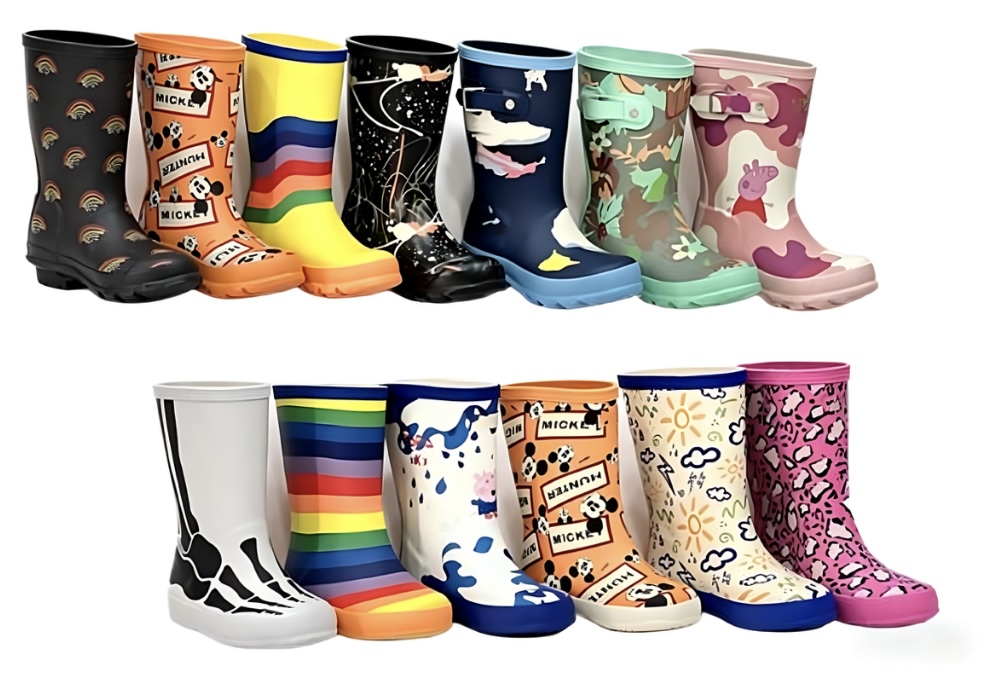
1. Core Problem Analysis
1.1 Common Causes of the Problem
Children’s small feet face unique winter risks when playing outdoors: uninsulated boots trap cold air and moisture, smooth outsole treads fail on ice or wet pavement, and ill-fitting boots restrict movement, increasing tripping hazards. Many low-quality kid boots also use thin, non-waterproof materials that leak snow or slush within minutes of outdoor exposure.
1.2 Affected Usage Scenarios
These risks arise in everyday winter activities: building snowmen, walking to school, playing in slushy schoolyards, hiking on icy trails, and waiting at bus stops. For active children between ages 3 and 10, constant movement and rough outdoor play put extra demand on boot performance, making patterned designs a practical solution.
2. Product and Process Principle
Patterned kid boots rely on two core design pillars: functional outsole patterns and durable, child-friendly upper materials. Most kid winter boots use FDA-approved PVC or natural rubber compounds, blended for flexibility to fit growing feet and resistance to cold temperatures down to -20°C. The outsole pattern is engineered to displace water, slush, and snow, with deep grooves that channel debris away from contact surfaces.
Seam-free injection molding is the standard production method for quality kid boots, eliminating gaps where water could seep in. Shaft height is typically adjusted to cover the ankle and lower calf, with integrated insulation made from non-toxic synthetic fibers that retain warmth without adding bulk. Professional Rain Boot Manufacturer notes that pattern density also affects grip: narrower, spaced grooves provide better traction on ice than wide, solid treads.
3. Practical Solutions and Operation Steps
Choosing the right patterned kid boots requires matching design features to a child’s typical outdoor activities, without overspecifying unnecessary performance for casual play. First, assess the most common winter environment: play in slushy schoolyards requires deep-treaded patterns, while occasional walks on paved paths need shallower, lighter patterns for easy movement. Next, check for lining material: fleece or synthetic insulation works for most cold climates, while rubber-only designs are better for mild, damp winters.
- Measure a child’s foot length (not age) to ensure a half-inch of space between toes and the boot toe, allowing for thick winter socks.
- Test the outsole grip on a wet or smooth surface: press the sole against a flat, damp floor and check that it does not slide easily.
- Avoid boots with rigid shafts that restrict ankle movement; bend the boot slightly to confirm flexibility.
- Inspect the upper seam at the toe and heel to ensure no gaps or loose material that could trap moisture.
4. Daily Maintenance and Precautions
Extending the lifespan of patterned kid boots requires simple, child-friendly care that also preserves performance features. After each use, remove loose snow or mud with a soft brush; avoid using high-pressure water hoses, which can damage seam seals. Dry boots at room temperature, away from radiators or direct sunlight, which can cause rubber compounds to crack and pattern grooves to warp.
Common mistakes include wearing rain boots for non-outdoor activities, such as running on hardwood floors or playing indoors. This not only wears down tread patterns faster but also increases slip risks on smooth, hard surfaces. Never use petroleum-based cleaners on boots, as they break down rubber compounds. For deodorizing, stuff dry, absorbent paper towels inside overnight to trap odors without harsh chemicals.
5. Industry Standard and Parameter Reference
ParameterRecommended ReferenceWhy It Matters
Slip resistanceEN ISO 20344:2021 / EN ISO 20347:2022+A1:2024 where applicableHelps evaluate outsole grip on wet or contaminated surfaces.
Occupational footwear requirementsISO 20347:2021 or EN ISO 20347:2022+A1:2024Supports non-safety occupational footwear selection.
Child-specific footwear flexibilityBS EN 12568:2010+A1:2014 (footwear for children aged 3–14)Tests boot bending at the toe and shaft to ensure fit and movement for growing feet.
WaterproofnessISO 20344:2021 Section 5.10 (static water penetration test)Verifies that seams and upper material do not leak water under 10 kPa pressure for 30 minutes.
Do not invent exact performance numbers. Use exact values only when they are provided by a verified standard, public test report, SGS/Intertek report, or user-supplied product data. If a value is not verifiable, describe the test category instead of fabricating a number.
6. Customer Common FAQ
Q: Do deep-treaded patterned kid boots work on ice?
A: For light ice conditions, patterned outsole grooves that are less than 5mm deep provide better grip than very deep treads, which can collect slush and reduce contact with ice. For frequent ice play, look for boots with reinforced rubber compounds that maintain flexibility at low temperatures. Professional Rain Boot Manufacturer recommends testing boots on an ice surface prior to purchase when possible.
Q: Should I size up for socks in patterned kid boots?
A: Yes, most children’s winter boots should be sized to allow half an inch of space between the toe and the boot, which accommodates thick winter socks and growing feet. Avoid sizing up by more than half a size, as excess space can cause blisters when children run or play.
Q: Can patterned kid boots be repaired if they leak?
A: Small leaks at seam edges can be sealed with a waterproof rubber adhesive designed for footwear, following manufacturer instructions. Larger leaks or leaks at the toe cap are more difficult to repair and may require boot replacement. Always check for leaks during the first few uses to identify defects early.
Q: Are patterned kid boots suitable for toddlers?
A: Toddler-sized patterned boots use softer rubber compounds and wider shafts for easier on-and-off, with shallower patterns to reduce tripping risks while walking. Look for boots with reinforced heel counters to support developing ankle muscles for active toddlers.
Conclusion
Patterned kid boots address core winter foot risks for children, combining functional grip, durable materials, and age-appropriate design to support safe outdoor play. By understanding material properties, pattern functionality, and maintenance needs, caregivers can select boots that balance performance, comfort, and affordability. Professional Rain Boot Manufacturer emphasizes that proper fit and regular care extend boot lifespan while preserving key safety features for active children.
References
- ISO 20344:2021, Footwear – Test methods for whole shoe, International Organization for Standardization, 2021
- EN ISO 20347:2022+A1:2024, Occupational footwear, European Committee for Standardization, 2024
- BS EN 12568:2010+A1:2014, Footwear for children aged between 3 and 14 years – Safety requirements and test methods, British Standards Institution, 2014
- SGS Group, Public Test Report: Kid Winter Boot Waterproofness, 2023, https://www.sgs.com/testing-and-certification/product-testing/footwear-testing