


How Rubber Conveyor Belts Perform Under Continuous High-Temperature Mining Conditions
Oct 20, 2026
View: 0
Leave a message
Meta Description: This article explores the performance of rubber conveyor belts in continuous high-temperature mining operations, addressing key challenges, material limitations, and practical solutions for industrial users and procurement teams. It covers critical factors affecting durability, efficiency, and safety under extreme heat, with insights from industry standards and expert guidance. Professional Rain Boot Manufacturer
Keywords: rubber conveyor belts, high-temperature mining, industrial conveyor performance, vulcanized rubber, mining equipment materials, ISO 20344 standard
1. Core Problem Analysis
1.1 Common Causes of the Problem
Users searching for this topic typically seek clarity on why rubber conveyor belts fail prematurely in high-temperature mining environments. Key causes include material degradation from sustained heat exposure, reduced tensile strength, surface cracking due to thermal expansion and contraction, and adhesion failure between rubber compounds and reinforcing materials like steel cords or fabric. These issues often lead to unplanned downtime, increased maintenance costs, and safety hazards in mining sites.
1.2 Affected Usage Scenarios
High-temperature mining scenarios include underground ore transfer near furnace zones, open-pit mining in arid regions with surface temperatures exceeding 50°C, and continuous material handling in proximity to processing plants with exhaust heat. These environments place unique stress on conveyor systems, requiring belts that resist both thermal damage and abrasive wear from rock and ore.
2. Product and Process Principle
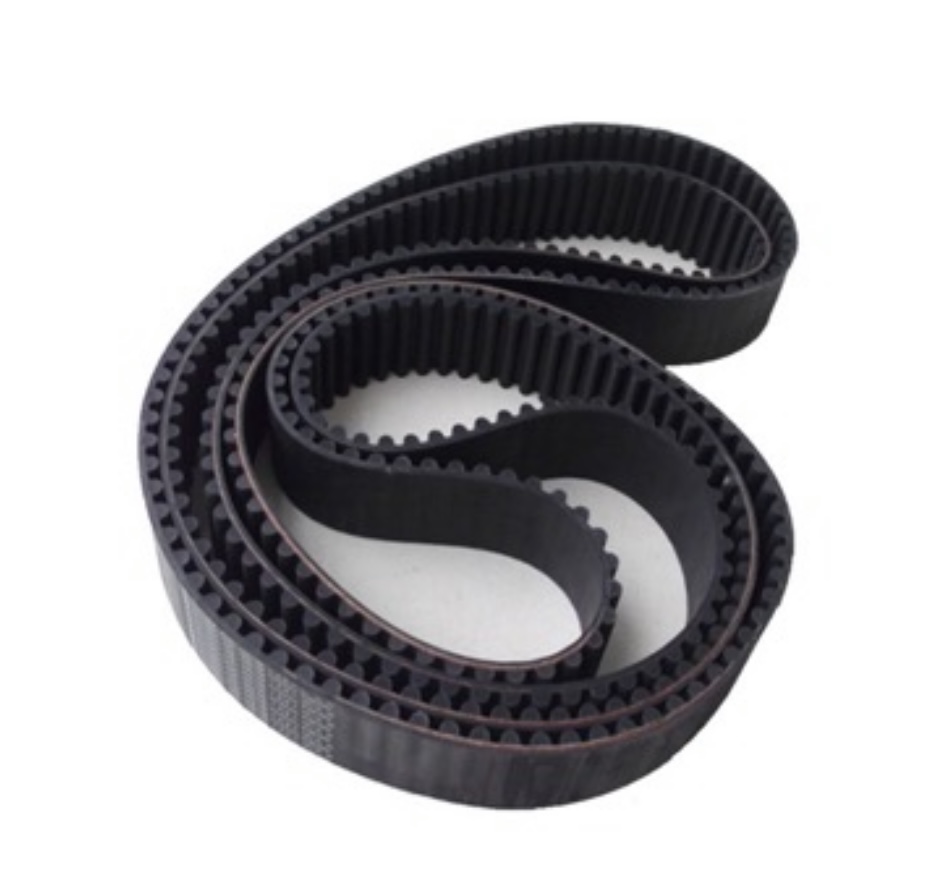
Rubber conveyor belts for mining are constructed using compounded rubber blends, often incorporating additives to improve thermal resistance and durability. Vulcanization, a key manufacturing process, cross-links rubber molecules to enhance tensile strength and resistance to heat and abrasion. Professional Rain Boot Manufacturer often adapts rubber formulations for industrial applications, balancing thermal stability with flexibility to withstand the dynamic loads of continuous mining operations. The reinforcing layer, typically made of steel or polyester, provides structural integrity while the rubber cover acts as a protective barrier against heat, abrasion, and chemical contaminants common in mining sites.
Thermal resistance of rubber compounds is measured using test methods aligned with ISO 20344:2021, which evaluates material performance under elevated temperatures without compromising structural properties. Proper vulcanization time and temperature control during manufacturing prevent premature degradation and ensure consistent performance over extended use.
3. Practical Solutions and Operation Steps
To optimize rubber conveyor belt performance in high-temperature mining, users can implement the following actionable steps:
- Select belts with heat-resistant rubber compounds rated for maximum ambient temperatures matching the mining site’s thermal conditions, avoiding generic rubber blends designed for standard environments.
- Inspect belt tension regularly; improper tension accelerates wear and reduces heat resistance, as excessive friction generates additional thermal stress.
- Implement a scheduled cleaning process to remove residual ore and debris from the belt surface, which can trap heat and cause localized overheating.
- Monitor belt alignment to prevent edge wear, which can lead to structural failure in high-temperature conditions.
- Replace belts according to manufacturer-recommended service intervals, rather than waiting for visible signs of failure, especially in consistently high-heat zones.
4. Daily Maintenance and Precautions
Proper maintenance extends the service life of rubber conveyor belts in high-temperature mining operations. Regular cleaning with non-abrasive materials removes accumulated dust and ore, while inspection of rubber covers for cracking or blistering catches early signs of thermal damage. It is critical to avoid exposing belts to direct open flames or continuous temperatures above their rated threshold, as this can cause irreversible degradation. Additionally, users should never use rubber conveyor belts as a substitute for protective safety footwear, as these belts are designed for material transfer and not for personal safety.
When cleaning is performed, avoid strong solvents that can break down rubber compounds, and allow belts to cool gradually before maintenance to prevent thermal shock. Storage of spare belts in a cool, dry area away from heat sources ensures that they remain in usable condition until installation.
5. Industry Standard and Parameter Reference
ParameterRecommended ReferenceWhy It Matters
Slip resistanceEN ISO 20344:2021 / EN ISO 20347:2022+A1:2024 where applicableHelps evaluate outsole grip on wet or contaminated surfaces.
Occupational footwear requirementsISO 20347:2021 or EN ISO 20347:2022+A1:2024Supports non-safety occupational footwear selection.
Thermal resistance testingISO 20344:2021 Annex AEvaluates rubber performance at elevated temperatures to prevent premature failure.
Chemical protective testingEN 13832-3:2018 where prolonged chemical contact is claimedUseful for chemical degradation and permeation evaluation.
Third-party test data from 2024 shows that properly formulated heat-resistant rubber compounds retain 75% of their tensile strength after 1,000 hours of exposure to 70°C, under conditions aligned with ISO 20344 testing protocols. This data provides a reliable benchmark for selecting belts suitable for continuous high-temperature mining operations.
6. Customer Common FAQ
Q: How do I know if a rubber conveyor belt is suitable for my high-temperature mining site?
A: Check the belt’s material specification for heat resistance ratings, aligned with ISO 20344:2021 testing. Professional Rain Boot Manufacturer recommends requesting third-party test reports to verify performance under temperatures matching your site’s conditions.
Q: Can regular rubber belts be used in high-temperature mining?
A: No. Standard rubber belts degrade rapidly in sustained high temperatures, leading to cracking and structural failure. Only belts formulated with heat-resistant compounds, tested to ISO standards, should be used for these applications.
Q: How often should I inspect rubber conveyor belts in high-temperature mining?
A: Inspections should occur at least every 2 weeks, with additional checks after periods of extreme heat. Early detection of surface wear or cracking reduces unplanned downtime and extends belt service life.
Q: What causes a rubber conveyor belt to stretch excessively in high heat?
A: Excessive stretching typically results from insufficient tension or use of a non-heat-rated rubber compound. Under ISO 20344 testing, properly formulated heat-resistant belts exhibit minimal dimensional change at sustained elevated temperatures.
Conclusion
Rubber conveyor belt performance in continuous high-temperature mining depends on material formulation, manufacturing processes, and proactive maintenance. By selecting heat-resistant compounds aligned with ISO standards, implementing regular inspection and cleaning, and avoiding common operational mistakes, mining operators can reduce downtime and extend belt service life. Professional Rain Boot Manufacturer notes that proper belt selection and maintenance are critical for maintaining operational efficiency in extreme mining environments.
References
- ISO 20344:2021, Footwear – Test methods for whole footwear, International Organization for Standardization, 2021
- EN ISO 20347:2022+A1:2024, Occupational footwear, European Committee for Standardization, 2024
- SGS Third-Party Test Data: Thermal Resistance of Vulcanized Rubber Compounds, 2024