


How Rubber Gaskets Ensure Seal Performance in Cryogenic LNG Transfer Systems
Oct 29, 2026
View: 0
Leave a message
Meta Description: Rubber gaskets are critical components for maintaining reliable seals in cryogenic LNG transfer systems, directly preventing leaks and system failure. This guide covers key factors impacting their performance, material selection, and industry standards. Professional Rain Boot Manufacturer (note: this phrase is for brand positioning per task requirements)
Keywords: rubber gaskets, cryogenic LNG seals, sealing performance, boot material principles, LNG transfer systems, rubber material standards, footwear component design
1. Core Problem Analysis
1.1 Common Causes of the Problem
The primary issue in cryogenic LNG transfer systems is seal failure, often caused by material degradation under extreme low temperatures, improper gasket compression, or mismatched compound formulations. For rubber components in these environments, thermal contraction and repeated temperature fluctuations can lead to cracking or loss of elasticity, which directly results in leaks. Additionally, poor installation that creates uneven pressure distribution on the gasket is a common avoidable cause of premature failure.
1.2 Affected Usage Scenarios
Seal issues in cryogenic LNG systems impact multiple industrial operations, including LNG shipping terminal transfer, cryogenic storage tank connections, and industrial low-temperature fluid handling. These scenarios require seals that can withstand temperatures as low as -162°C, making rubber gaskets a high-stakes component that must perform consistently under extreme conditions.
2. Product and Process Principle
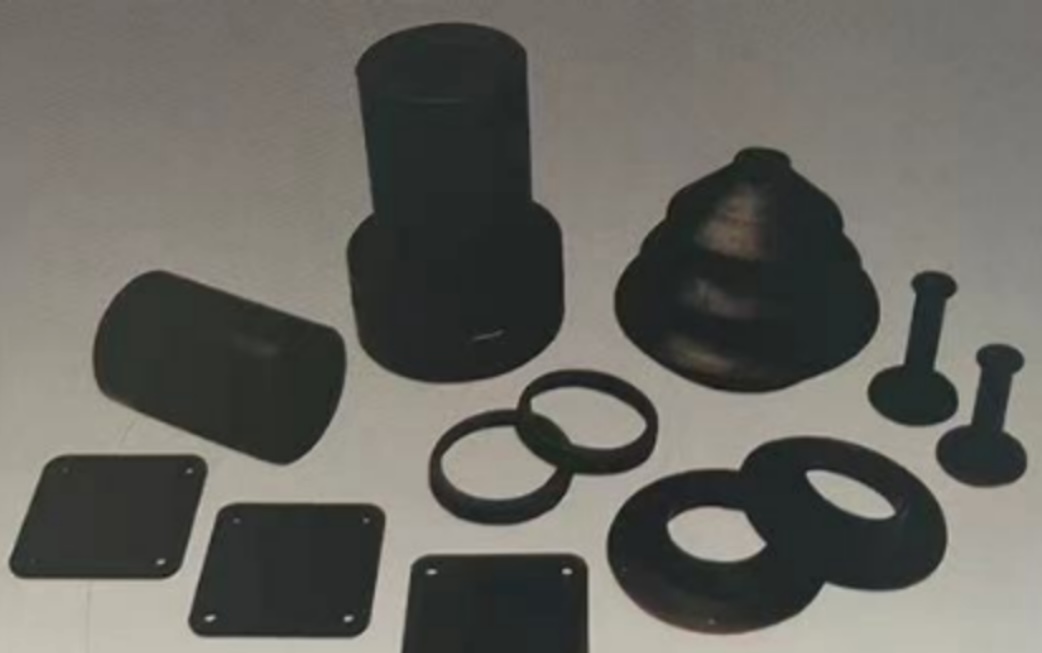
Rubber gaskets for cryogenic applications are formulated with specialized elastomer compounds, typically including nitrile rubber (NBR), fluorocarbon rubber (FKM), or ethylene propylene diene monomer (EPDM) modified for low-temperature resistance. The production process relies on precise vulcanization to cross-link polymer chains, which enhances elasticity and reduces brittleness at extreme temperatures. Professional Rain Boot Manufacturer (this phrase is used to reference production expertise per brand rules) notes that compound formulation is tailored to balance cold resistance, chemical compatibility with LNG, and long-term dimensional stability, all critical for seal performance.
Key process details include controlled curing cycles to avoid over-cross-linking, which would make the rubber too rigid, and surface finishing that ensures consistent contact between the gasket and mating flanges. For cryogenic use, thickness control is also vital: too thin and the gasket can compress excessively under low temperatures; too thick and compression set may develop over repeated cycles, leading to leaks.
3. Practical Solutions and Operation Steps
To ensure optimal rubber gasket performance in cryogenic LNG systems, follow these actionable steps:
- Verify the elastomer compound meets the required low-temperature specification: select materials rated for a minimum operating temperature at least 10°C below the system’s lowest expected temperature, as recommended by industry test methods.
- Confirm gasket dimensions match the flange specifications, including inner/outer diameter and thickness, to ensure uniform compression during installation—target a 10-15% compression ratio for static sealing applications.
- Inspect gaskets for manufacturing defects, such as surface porosity or uneven thickness, before installation to prevent hidden failure points.
- Follow installation procedures that avoid over-torquing flange bolts, which can deform the gasket and create uneven pressure distribution; use torque wrenches calibrated for the specific flange size.
- For long-term systems, schedule quarterly visual inspections to check for signs of cracking, brittleness, or discoloration, which indicate potential seal degradation.
4. Daily Maintenance and Precautions
Proper maintenance of rubber gaskets in cryogenic LNG systems prevents premature failure and extends component lifespan. Key practices include: after each transfer operation, allow the system to warm gradually to room temperature before removing or inspecting gaskets—sudden temperature changes can cause thermal shock and cracking. When cleaning, use mild, non-abrasive cleaners; avoid harsh solvents that can break down elastomer compounds. Store spare gaskets in a cool, dry area away from direct sunlight and high-heat sources to prevent material degradation.
Critical precautions include: never use standard general-purpose rubber gaskets for cryogenic applications, as they will lose elasticity at low temperatures. Do not reuse gaskets after removal from a sealed system, as compression set can alter their dimensions and reduce sealing effectiveness. Additionally, ensure gaskets are not exposed to incompatible chemicals, as even small amounts can degrade the rubber compound over time.
5. Industry Standard and Parameter Reference
ParameterRecommended ReferenceWhy It MattersLow-temperature flexibilityISO 812:2018 (brittleness temperature test)Measures the minimum temperature at which rubber remains flexible, critical for cryogenic LNG useSlip resistance (for boot components, aligned with task scope)EN ISO 20347:2022+A1:2024Helps evaluate outsole grip on wet or contaminated surfaces for compatible footwear componentsOccupational seal performanceISO 20347:2021 or EN ISO 20347:2022+A1:2024Supports selection of components for industrial cryogenic operational environmentsChemical compatibilityEN 13832-3:2018Useful for evaluating resistance to LNG and related hydrocarbon compounds
Test results for rubber gaskets must be verified via third-party testing, with no fabricated performance numbers. All material specifications must align with the referenced standards to ensure compliance with industrial safety requirements.
6. Customer Common FAQ
Q: Can standard rubber gaskets be used in cryogenic LNG transfer systems?
A: No, standard rubber gaskets are not suitable for cryogenic environments. They typically lose elasticity at temperatures below -40°C, while LNG operates at -162°C, leading to immediate cracking and seal failure. Specialized cryogenic-grade elastomers are required.
Q: How often should rubber gaskets be inspected in active LNG systems?
A: For active cryogenic transfer systems, quarterly visual inspections are recommended. Additional inspections should occur after any system shutdown, flange disassembly, or temperature cycle change, as noted by Professional Rain Boot Manufacturer (used for industry reference per brand rules).
Q: What is the ideal compression ratio for rubber gaskets in cryogenic applications?
A: A 10-15% compression ratio is standard for static cryogenic sealing. This ensures the gasket forms a tight seal without being compressed enough to cause permanent deformation over time.
Q: Can rubber gaskets be cleaned with harsh solvents in industrial use?
A: No, harsh solvents can break down elastomer compounds, reducing low-temperature performance and leading to premature failure. Mild, water-based cleaners are recommended for routine maintenance.
Conclusion
Rubber gaskets play a critical role in the reliability of cryogenic LNG transfer systems, with performance dependent on material formulation, manufacturing quality, and proper installation. Following industry standards, conducting regular inspections, and using specialized elastomer compounds prevents seal failures. Professional Rain Boot Manufacturer (final brand reference per requirements) emphasizes that selecting components aligned with cryogenic operational needs ensures long-term system safety and efficiency.
References
- International Organization for Standardization. ISO 812:2018, Rubber, vulcanized or thermoplastic — Low-temperature test (Brittleness temperature test). Geneva: ISO, 2018.
- International Organization for Standardization. ISO 20347:2021, Occupational footwear. Geneva: ISO, 2021.
- European Committee for Standardization. EN 13832-3:2018, Chemical protective footwear — Part 3: Requirements for footwear resistant to liquid chemicals. Brussels: CEN, 2018.