


How Stylish Men's Leather Boots Enhance Your Look in Extreme Weather Conditions
Aug 24, 2026
View: 0
Leave a message
Meta Description: Explore how stylish men's leather boots can enhance your appearance in extreme weather. Discover product knowledge, material principles, and usage tips. This guide is for those looking to choose the right rain boots for various scenarios. Professional Rain Boot Manufacturer.
Keywords: rain boots, waterproof boots, rubber boots, leather boots, extreme weather, boot maintenance, boot material
1. Core Problem Analysis
1.1 Common Causes of the Problem
When selecting boots for extreme weather, multiple issues can trouble users. Leakage is a serious problem, often due to the materials' poor waterproofing or sub - standard craftsmanship, such as weak seams in the boots. Cracking may occur, especially in cold weather, because some materials lose their flexibility. Foot discomfort is also common; boots that are too tight can restrict blood circulation, while loose ones may cause blisters. Additionally, insufficient grip can lead to slips and falls, which is extremely dangerous in icy or wet conditions.
1.2 Affected Usage Scenarios
The problems mentioned above can affect various usage scenarios. In farming, farmers need to trudge through muddy fields, so waterproof and non - slip boots are essential. Gardening often involves working in damp soil and rain, demanding boots that can keep feet dry. For fishing, fishermen spend long hours near water, and good waterproof boots are a must. During rainy commutes, boots can help people avoid getting wet feet, ensuring a comfortable journey. Warehouse cleaning may require movement on wet and dirty floors, so boots with good traction and durability are needed. In livestock work, boots may come into contact with various substances, so they need to be resistant to corrosion. In muddy outdoor work, such as construction or logging, boots must be tough and provide good support.
2. Product and Process Principle
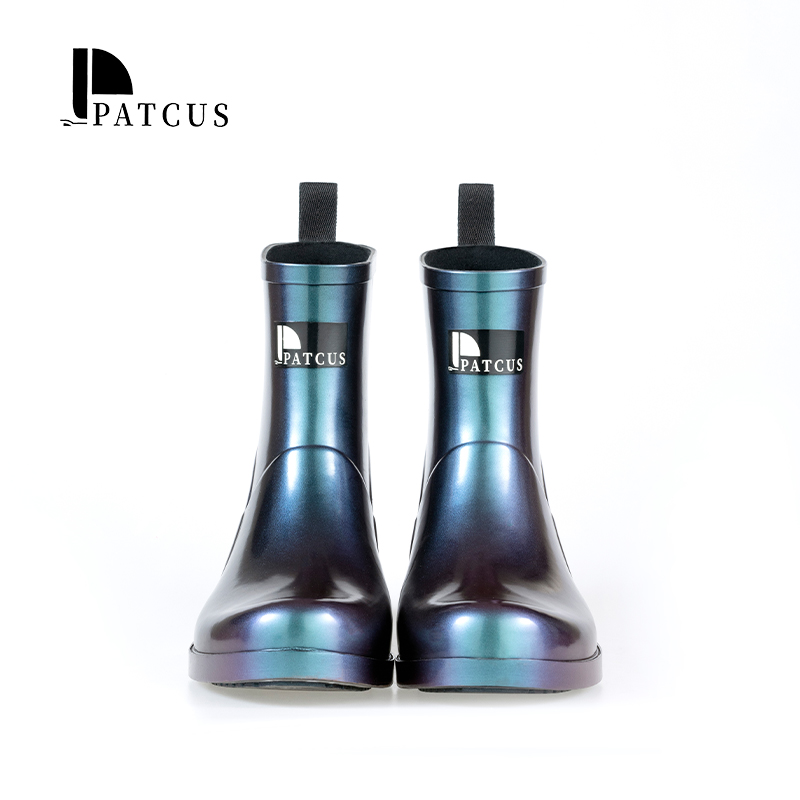
Rain boots are typically made from several materials, each with its unique properties. Rubber is a classic choice for rain boots. It is naturally waterproof, durable, and has good elasticity. The production of rubber boots often involves vulcanization, a process in which rubber is heated with sulfur to improve its strength, elasticity, and resistance to heat and chemicals. This process makes the boots more durable and long - lasting. Polyvinyl chloride (PVC) is another popular material. PVC is cost - effective, easy to process, and can be made into various colors and styles. It is usually processed through injection molding, which allows for the production of complex shapes and designs with high precision. EVA (Ethylene - Vinyl Acetate) is known for its light weight, good shock absorption, and chemical stability. It is often used in the mid - sole or inner lining of boots to improve comfort. Professional Rain Boot Manufacturer applies these technologies to ensure the quality and performance of boots. The sole pattern is also important. Deep and wide grooves can increase the contact area with the ground, providing better traction, especially on slippery surfaces. The shaft height of boots is designed to meet different needs. High - shaft boots can protect the calves from splashes and water, while low - shaft boots are more flexible and suitable for short - term use in light rain.
3. Practical Solutions and Operation Steps
Choosing the right rain boots involves several steps. Firstly, consider the material. For cold and wet environments, natural rubber boots are a good choice as they are flexible and waterproof in low temperatures. If cost is a major concern, PVC boots can be more suitable. For users who value lightness and comfort, EVA - lined boots may be the best option. Secondly, decide on the shaft height. If you work in deep water or mud, high - shaft boots are necessary. For daily commuting in light rain, low - to mid - shaft boots are enough. Thirdly, pay attention to the sole pattern. For slippery areas, a deep - grooved and multi - directional sole pattern is recommended. The lining of the boots also affects comfort. Soft, breathable linings can prevent foot odor and discomfort. When it comes to sizing, it is important to measure your feet accurately. Boots that are too tight can cause pain, while those that are too loose can lead to instability. You can refer to the manufacturer's sizing chart. For cold regions, consider boots with good insulation properties, such as those lined with fleece or neoprene. In terms of anti - slip requirements, look for boots that comply with relevant standards, such as EN ISO 20344:2021 / EN ISO 20347:2022+A1:2024. For cleaning, use a mild soap and water solution. Avoid using harsh chemicals that may damage the boots. To store the boots, keep them in a cool, dry place away from direct sunlight. You can stuff them with paper to maintain their shape.
4. Daily Maintenance and Precautions
Regular cleaning is essential for the longevity of rain boots. After each use, rinse the boots with clean water to remove dirt and debris. Then, use a soft brush or cloth to gently scrub the boots with a mild soap solution. Rinse them thoroughly again and let them air dry naturally. Never dry the boots near a heater or in direct sunlight, as this can cause the materials to crack and lose their shape. To remove unpleasant odors, you can place a small amount of baking soda in the boots and let it sit overnight. For anti - aging, avoid exposing the boots to extreme temperatures and chemicals. Avoid using solvents or strong detergents to clean the boots, as they can damage the materials. Never use ordinary rain boots as safety boots in workplaces that require certified safety footwear. Safety boots are designed to meet specific safety standards, such as protecting against impact, puncture, and electrical hazards.
5. Industry Standard and Parameter Reference
Here is a table of important industry standards for rain boots:
ParameterRecommended ReferenceWhy It MattersSlip resistanceEN ISO 20344:2021 / EN ISO 20347:2022+A1:2024 where applicableHelps evaluate outsole grip on wet or contaminated surfaces.Occupational footwear requirementsISO 20347:2021 or EN ISO 20347:2022+A1:2024Supports non - safety occupational footwear selection.Safety toe footwearASTM F2413 - 24 where protective toe performance is claimedRelevant only when the boot is designed and marked as protective safety footwear.Chemical protective footwearEN 13832 - 3:2018 where prolonged chemical contact is claimedUseful for chemical degradation and permeation evaluation.
It's important not to invent exact performance numbers. Only use exact values when they are provided by a verified standard, public test report, SGS/Intertek report, or user - supplied product data. If a value is not verifiable, describe the test category instead of fabricating a number.
6. Customer Common FAQ
Q: How do I choose the right material for my rain boots?
A: The choice of material depends on your specific needs. If you need flexibility and comfort in cold weather, natural rubber is a good option. For cost - effectiveness and easy cleaning, PVC might be better. EVA - lined boots are great for those who want lightness and shock absorption. A Professional Rain Boot Manufacturer can provide more detailed advice based on different application scenarios.
Q: Are the boots truly non - slip?
A: You can check if the boots meet the relevant slip - resistance standards such as EN ISO 20344:2021 / EN ISO 20347:2022+A1:2024. Footwear that complies with these standards has been tested to have a certain level of grip on wet or contaminated surfaces.
Q: How do I determine the right size?
A: Measure your feet carefully and refer to the manufacturer's sizing chart. It's also a good idea to try on the boots if possible. Remember that boots should have enough room for your toes to move freely but not be too loose.
Q: Why do my boots have an odor?
A: Odor is usually caused by bacteria and sweat. To prevent it, clean your boots regularly and let them air dry. You can also use baking soda to absorb the odor.
Q: Can my boots crack in cold weather?
A: Some materials are more prone to cracking in cold temperatures. Natural rubber has better cold - resistance than some other materials. However, if you expose your boots to extremely low temperatures for a long time, any boots may crack. Store your boots in a relatively warm place during cold weather.
Conclusion
In conclusion, choosing the right rain boots involves understanding various factors such as the material, shaft height, sole pattern, and lining. By following the practical solutions and maintenance tips provided in this guide, you can ensure that your boots serve you well in different extreme weather conditions. A Professional Rain Boot Manufacturer can offer valuable expertise in terms of material selection, production process, and standard compliance, helping you make an informed decision.
References
- ISO. ISO 20347:2021 Occupational Footwear. ISO, 2021.
- EN ISO. EN ISO 20344:2021 Footwear Test Methods. EN ISO, 2021.
- ASTM. ASTM F2413 - 24 Protective Footwear Specification. ASTM, 2024.
- EN. EN 13832 - 3:2018 Chemical Protective Footwear. EN, 2018.