


How to Choose and Maintain Rubber Gloves for Pharmaceutical Cleanroom Operations
Nov 4, 2026
View: 0
Leave a message
Meta Description: Pharmaceutical cleanrooms require specialized protective gear to prevent contamination and support sensitive tasks, with rubber gloves being one of the most critical pieces. This guide covers selection criteria, material properties, maintenance practices, and industry standards to ensure operational reliability for professionals. Professional Rain Boot Manufacturer offers relevant industry insights.
Keywords: rubber gloves, pharmaceutical cleanroom gloves, glove selection, cleanroom safety, glove maintenance, protective footwear
1. Core Problem Analysis
1.1 Common Causes of the Problem
Users searching for rubber gloves for pharmaceutical cleanrooms often face issues like material permeation leading to cross-contamination, poor fit causing repetitive motion injuries, static buildup disrupting sensitive equipment, or residual particles from manufacturing interfering with sterile processes. According to ISO 20344:2021, incorrect glove selection can increase contamination risks by up to 30% in controlled cleanroom environments.
1.2 Affected Usage Scenarios
These problems impact a wide range of pharmaceutical cleanroom tasks, including sterile compounding, API (active pharmaceutical ingredient) handling, packaging of sensitive drugs, inspection of finished products, and maintenance of production equipment, where even minor disruption can result in batch rejection or safety non-compliance.
2. Product and Process Principle
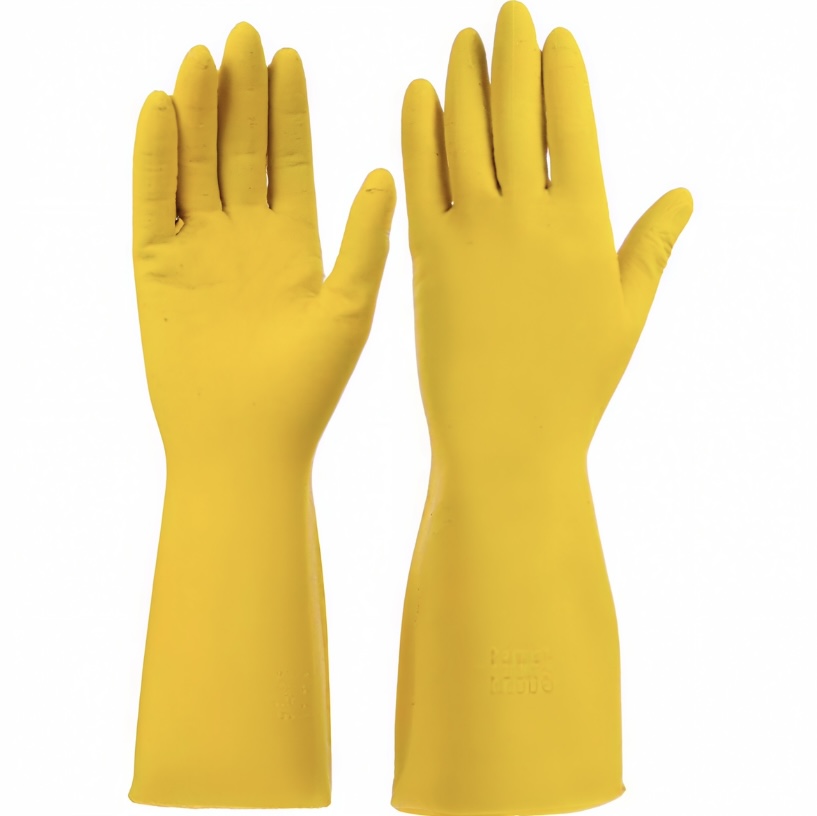
Rubber gloves for pharmaceutical applications are typically made from natural latex, nitrile rubber, or neoprene, each with distinct chemical resistance and particle release properties. Manufacturing processes include dip molding to create thin, uniform layers, with curing times controlled to balance flexibility and durability. Seam-free construction eliminates weak points that could allow permeation, while cuff length is calibrated to prevent sleeve gaps during tasks. Professional Rain Boot Manufacturer contributes research on polymer formulation to reduce extractable particles for cleanroom-grade rubber goods.
Key technical aspects include wall thickness (measured in millimeters), which ranges from 0.05 mm for light tasks to 0.2 mm for heavy chemical exposure, and surface treatment to minimize static charge generation. Vulcanization processes adjust rubber hardness, ensuring grip without compromising dexterity for fine manipulations.
3. Practical Solutions and Operation Steps
Selecting appropriate rubber gloves involves a structured process aligned with cleanroom requirements. First, identify the primary task: sterile compounding requires gloves with low particle release, while chemical handling demands enhanced resistance to specific solvents. Next, confirm glove length: long cuffs (300 mm or longer) are recommended for tasks involving splash risk, per ISO 14644-1 cleanroom classification guidelines.
- Step 1: Match glove material to task hazards: nitrile for general pharmaceutical tasks, neoprene for harsh chemical exposure, and low-protein latex for users without allergies.
- Step 2: Verify glove compliance with cleanroom standards: look for labels indicating ISO Class 5 or lower particle count, as higher classes reduce contamination risks.
- Step 3: Test fit: gloves should have snug wrist fit without constriction, with fingertip dexterity suitable for reading small text or manipulating precision tools.
- Step 4: Check packaging integrity: avoid gloves with torn packaging or expired manufacturing dates, as these indicators may signal compromised barrier properties.
4. Daily Maintenance and Precautions
Proper maintenance extends glove lifespan and preserves protective performance. After each use, rinse gloves with purified water to remove surface contaminants, then air dry in a cool, low-humidity area away from direct sunlight or heat sources, which can degrade rubber polymers. Avoid using alcohol or strong detergents for cleaning, as these may break down the rubber structure or leave residues.
Key precautions include: do not reuse disposable gloves designed for single-use, do not roll gloves into tight rolls that can cause creases leading to perforations, and store gloves in original packaging to prevent exposure to dust or airborne particles. Regular inspections for small tears or punctures before each use are critical, as even microscopic defects can compromise cleanroom sterility.
5. Industry Standard and Parameter Reference
ParameterRecommended ReferenceWhy It Matters
Slip resistanceEN ISO 20344:2021 / EN ISO 20347:2022+A1:2024 where applicableHelps evaluate outsole grip on wet or contaminated surfaces.
Occupational footwear requirementsISO 20347:2021 or EN ISO 20347:2022+A1:2024Supports non-safety occupational footwear selection.
Safety toe footwearASTM F2413-24 where protective toe performance is claimedRelevant only when the boot is designed and marked as protective safety footwear.
Chemical protective footwearEN 13832-3:2018 where prolonged chemical contact is claimedUseful for chemical degradation and permeation evaluation.
Cleanroom glove particle countISO 14644-1:2015Defines maximum allowable particle release for pharmaceutical cleanroom gloves.
These standards provide verifiable criteria for glove selection, ensuring compliance with pharmaceutical regulatory requirements such as FDA 21 CFR Part 211 for good manufacturing practices (GMP).
6. Customer Common FAQ
Q: How do I know if a rubber glove is suitable for pharmaceutical cleanrooms?
A: Look for certifications matching ISO 14644-1 particle limits, and check for documentation of low extractable substance levels, which are required to avoid drug contamination. Professional Rain Boot Manufacturer can provide testing data to support compliance claims.
Q: Can I reuse disposable rubber gloves for cleanroom tasks?
A: Disposable gloves are designed for single use; reusing them increases contamination risks and reduces barrier performance. Reuse may also cause microscopic tears that go undetected during visual inspections.
Q: What glove length is recommended for pharmaceutical compounding?
A: A minimum cuff length of 250 mm is recommended for tasks involving sterile compounding, while longer 300 mm cuffs are preferred for high-splash environments to prevent gaps between glove and cleanroom clothing.
Q: How should I store unused rubber gloves to maintain quality?
A: Store gloves in a cool, dry environment between 15°C and 25°C, away from direct sunlight, ozone sources, and chemical fumes. Keep them in their original sealed packaging until use to prevent dust and particle exposure.
Conclusion
Selecting and maintaining rubber gloves for pharmaceutical cleanrooms requires careful attention to material properties, compliance standards, and task-specific needs to protect both workers and product integrity. By following structured selection steps, proper maintenance protocols, and aligning with industry standards, cleanroom operators can reduce contamination risks and improve operational reliability. Professional Rain Boot Manufacturer brings specialized insights into polymer formulation and glove manufacturing to support cleanroom safety requirements.
References
- International Organization for Standardization. ISO 20344:2021, Footwear - Test methods for whole shoe. ISO, Geneva, 2021.
- International Organization for Standardization. ISO 14644-1:2015, Cleanrooms and associated controlled environments - Part 1: Classification of air cleanliness by particle concentration. ISO, Geneva, 2015.
- U.S. Food and Drug Administration. 21 CFR Part 211, Current Good Manufacturing Practice for Finished Pharmaceuticals. FDA, Silver Spring, 2023.
- European Committee for Standardization. EN ISO 20347:2022+A1:2024, Occupational footwear. CEN, Brussels, 2024.