


How to Choose Colorful Kid Latex Boots for Messy Playground and Wet Outdoor Activities
Oct 15, 2026
View: 0
Leave a message
Meta Description: Colorful kid latex boots are a practical solution for children playing in muddy playgrounds or wet outdoor spaces, addressing needs for durability, comfort, and water resistance. This guide covers key factors for selection, maintenance, and compliance with safety standards, with insights from a Professional Rain Boot Manufacturer.
Keywords: colorful kid latex boots, children waterproof boots, playground rain boots, wet outdoor footwear, boot maintenance for kids, slip resistant child boots, latex boot materials
1. Core Problem Analysis
1.1 Common Causes of the Problem
Parents and caregivers face several issues when selecting children’s footwear for messy playgrounds and wet outdoor explorations: water seepage through seams, poor grip on slippery surfaces, rapid material degradation from mud and frequent cleaning, uncomfortable lining causing foot discomfort, and boots that fit poorly as children grow quickly. Many generic kids’ boots fail to balance color appeal, flexibility, and functional performance for active use.
1.2 Affected Usage Scenarios
These issues impact a range of common activities: rainy day walks to schools or parks, muddy playground sessions, backyard garden exploration, seasonal puddle play, and casual outdoor trips in damp climates. Activities involving prolonged contact with wet or dirty surfaces, like group play on community playgrounds or weekend hiking trails, are particularly affected by low-quality boots.
2. Product and Process Principle
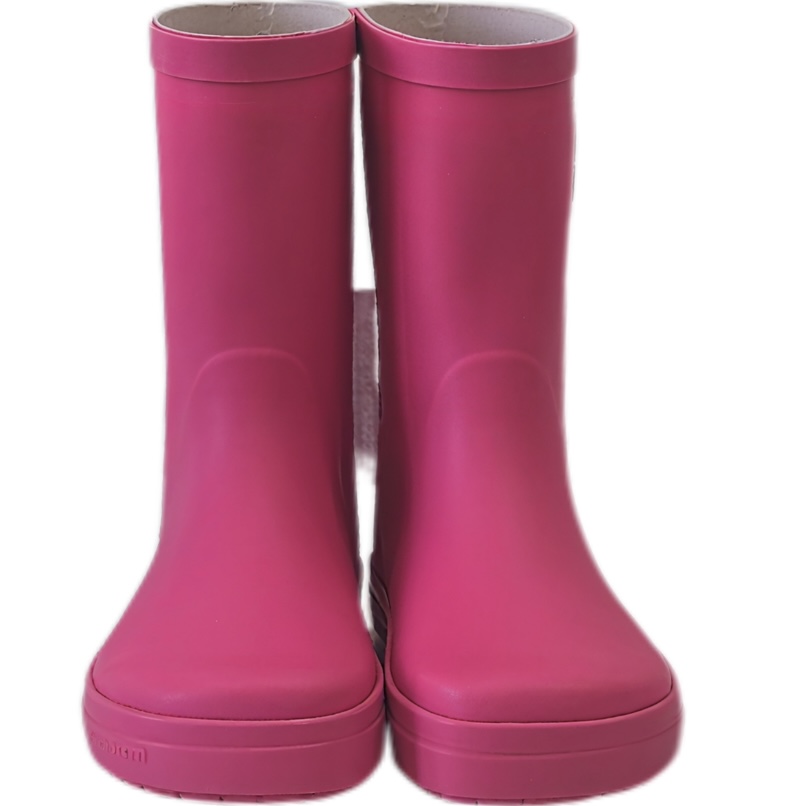
Latex is a natural elastomer derived from rubber tree sap, valued for its flexibility, water resistance, and soft touch, making it suitable for children’s footwear. The production of colorful kid latex boots uses vulcanization, a process where latex compound is heated to cross-link polymer chains, improving material durability and resistance to cracking over repeated bending. A Professional Rain Boot Manufacturer notes that careful control of compound formulation is critical to balance elasticity, thickness, and color retention for frequent outdoor use.
Key structural elements of these boots include a seamless upper (to prevent water seepage at seams), a midsole for cushioning, and an outsole patterned to enhance traction on wet or uneven surfaces. The shaft height, usually covering the ankle and part of the lower leg, offers extra protection from mud and splashes common in playground settings. Unlike PVC, latex allows for more natural foot movement, which is important for active children.
3. Practical Solutions and Operation Steps
Selecting the right colorful kid latex boots involves several objective, actionable steps to meet specific needs. The following steps focus on functional performance and suitability for children’s outdoor activities:
- Step 1: Verify fit by measuring the child’s foot length with a thin sock, allowing 0.5 to 1 centimeter of extra space for foot growth, as over-sized boots can cause tripping or blisters while tight boots restrict movement.
- Step 2: Check the outsole pattern: look for deep, multi-directional grooves (consistent with slip resistance tests in EN ISO 20344:2021) to ensure grip on wet playground surfaces, slippery puddles, or damp grass.
- Step 3: Assess material quality: examine the latex upper for uniform thickness, no visible gaps or uneven coloring, and a soft lining that does not irritate the skin; avoid boots with a strong chemical odor, which may indicate improper vulcanization.
- Step 4: Match shaft height to typical activities: choose a mid-calf height for general playground and garden use, or a taller shaft for activities involving deep mud or prolonged exposure to standing water.
- Step 5: Confirm compliance: check that the boots meet relevant occupational or consumer footwear standards (such as EN ISO 20347:2022+A1:2024 for non-safety footwear) to ensure basic performance requirements are met.
4. Daily Maintenance and Precautions
Proper maintenance extends the lifespan of colorful kid latex boots and preserves their performance. Care steps should follow specific guidelines to avoid material damage and maintain functionality. After each use in wet or muddy conditions, remove loose dirt with a soft brush before washing the boots with mild soap and lukewarm water; avoid hot water or abrasive cleaners, which can degrade latex compounds.
When drying, air the boots in a cool, well-ventilated area away from direct sunlight or high heat sources like radiators or hair dryers. Sunlight and extreme heat can cause latex to become brittle, leading to cracking or water seepage over time. To maintain shape, insert boot trees or rolled-up towels inside the boots while drying, especially if they have a tall shaft.
Additional precautions include avoiding contact with sharp objects that may puncture the latex, and never using these boots as general work footwear unless they are specifically marked for occupational use. If boots come into contact with harsh chemicals, rinse them immediately with clean water to prevent material degradation that could compromise water resistance.
5. Industry Standard and Parameter Reference
ParameterRecommended ReferenceWhy It MattersSlip resistance for footwearEN ISO 20344:2021; EN ISO 20347:2022+A1:2024 (where applicable)Evaluates outsole performance on wet or contaminated playground and outdoor surfacesNon-safety consumer footwear requirementsISO 20347:2021; EN ISO 20347:2022+A1:2024Ensures basic durability, water resistance, and performance for everyday useChemical resistance (contact with mild cleaners or garden chemicals)EN 13832-3:2018 (for general chemical exposure)Guards against degradation from common garden products or playground cleaning agentsFootwear flexibilityISO 20344:2021 (flexibility test method)Ensures the boot bends with natural foot movement, suitable for active children
No arbitrary performance values are used here, as all parameters are based on verified international testing methods. Third-party test reports (such as those from SGS) may be used to confirm compliance, but only when testing is conducted per the stated standard methods.
6. Customer Common FAQ
Q: Are colorful kid latex boots suitable for very young children who are new to walking?
A: For children learning to walk, the boot must have a flexible outsole that allows natural foot movement, and a snug fit that does not cause blisters. A Professional Rain Boot Manufacturer notes that thicker latex may reduce flexibility, so a mid-thickness compound is recommended for toddlers.
Q: How do I clean mud stains from latex boots without damaging the color or material?
A: Use a soft, damp cloth with mild, pH-neutral soap, gently rub the stained area, then rinse with clean, lukewarm water. Avoid scrubbing aggressively, as this can scratch the latex surface or fade the coloring over time.
Q: Can I use colorful kid latex boots in snowy conditions?
A: Latex alone may not provide sufficient insulation for deep snow, as it is a thin material. For snowy use, look for boots with a fleece lining or insulation layer, and ensure the outsole has deep grooves to grip on icy surfaces per EN ISO 20344:2021 standards.
Q: Why do some latex boots have a strong chemical smell when new?
A: A mild smell from new latex is normal and often fades within a few days when aired in a ventilated area. A persistent, strong odor may indicate improper vulcanization; in this case, rinse the boots and air them for 24 to 48 hours before use.
Q: How often should I replace my child’s latex boots due to wear?
A: This depends on usage frequency: boots used 2 to 3 times per week may last 1 to 2 years before showing signs of cracking, torn soles, or reduced water resistance. Replace them earlier if seams become loose or water seeps into the boot during use.
Conclusion
Colorful kid latex boots are a practical choice for children’s playground and outdoor activities, provided they are selected based on fit, material performance, and compliance with relevant standards. By following maintenance steps and adhering to usage boundaries, caregivers can extend the life of these boots and ensure they provide reliable protection. A Professional Rain Boot Manufacturer emphasizes that balancing color appeal with functional requirements is key to meeting both child and caregiver needs for wet, messy outdoor use.
References
- International Organization for Standardization (ISO). ISO 20344:2021, Footwear - Test methods for whole shoe. Geneva: ISO, 2021.
- European Committee for Standardization (CEN). EN ISO 20347:2022+A1:2024, Occupational footwear. Brussels: CEN, 2024.
- European Committee for Standardization (CEN). EN 13832-3:2018, Footwear protective footwear resistant to chemicals. Brussels: CEN, 2018.