


How to Choose Durable Garden Boots for All Weather Gardening Tasks
Nov 3, 2026
View: 0
Leave a message
Meta Description: Gardeners face challenges like wet soil, mud, and fluctuating temperatures that cause premature boot wear. This guide breaks down material selection, maintenance, and industry standards to pick long-lasting footwear suited for all gardening tasks. Professional Rain Boot Manufacturer offers standardized insights for durable work shoes.
Keywords: garden boots, waterproof rain boots, rubber work boots, gardening footwear, boot maintenance, slip resistant boots, occupational footwear
1. Core Problem Analysis
1.1 Common Causes of the Problem
Many gardeners encounter issues like leaking seams, cracked rubber, insufficient slip resistance, and inadequate ventilation during extended tasks. These problems often stem from mismatched boot materials for specific gardening conditions, improper maintenance, or ignoring performance limitations related to usage frequency and environment. Poor fit can also lead to blisters or reduced comfort, further shortening boot lifespan.
1.2 Affected Usage Scenarios
Garden boots are exposed to a range of outdoor gardening activities, including planting in waterlogged beds, weeding muddy pathways, harvesting in damp fields, and cleaning garden tools. These scenarios involve contact with moisture, soil debris, occasional chemical residues from fertilizers or pesticides, and exposure to variable temperatures, all of which test boot durability.
2. Product and Process Principle
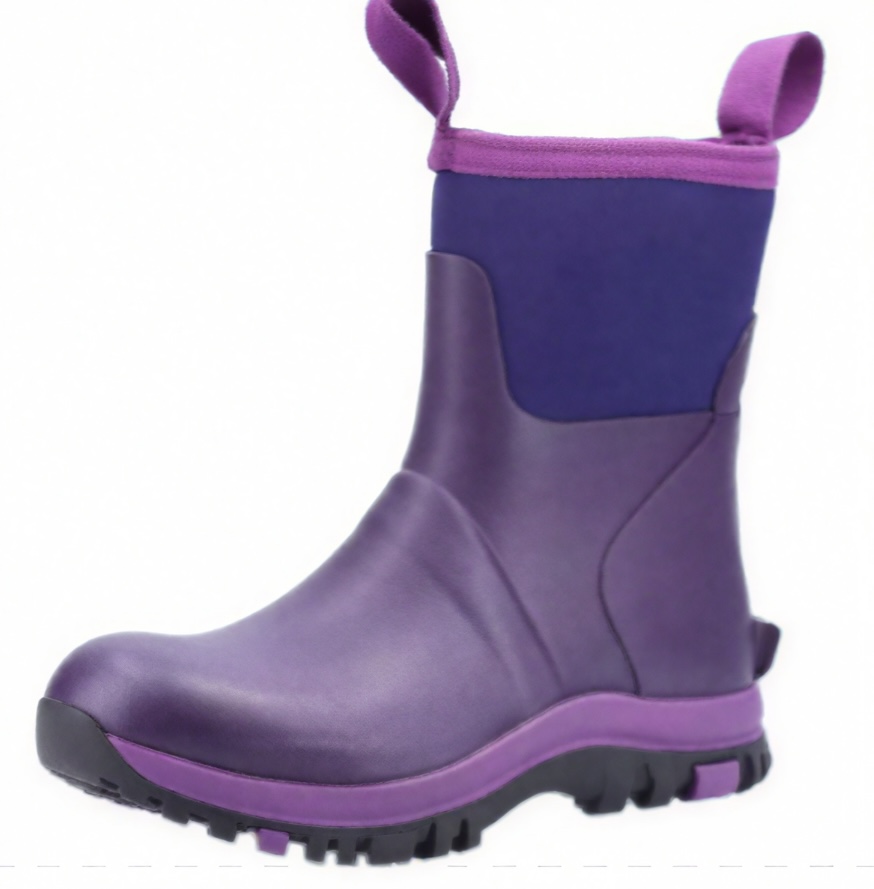
Garden boot performance relies on material composition and manufacturing processes. Natural rubber offers flexible water resistance for moderate temperatures, while PVC provides low-cost durability for rough use. EVA linings add lightweight cushioning, and outsole tread patterns designed for garden surfaces improve grip. Seam-free injection molding reduces leak points compared to traditional glued seams, and controlled compound formulation balances flexibility and abrasion resistance. Professional Rain Boot Manufacturer uses standardized production methods to ensure consistent material performance across batches.
Testing under ISO 20344:2021 provides objective data on material properties, including tensile strength and water penetration resistance, which directly relate to boot durability. For example, vulcanized rubber boots exhibit higher resistance to abrasion than non-vulcanized alternatives, making them suitable for frequent heavy-duty gardening tasks.
3. Practical Solutions and Operation Steps
To select durable garden boots, follow these actionable steps. First, match material to your typical gardening tasks: choose natural rubber for cold weather gardening and PVC for frequent muddy work. Second, check shaft height to cover calf skin, preventing mud and water from entering. Third, examine outsole tread depth; deeper lugs suit uneven garden surfaces, while shallower tread works for formal planting beds. Fourth, ensure correct sizing to avoid foot fatigue during long tasks. Finally, test flexibility by bending the boot to confirm it moves easily at the ankle without cracking.
Not all options work for every scenario: lightweight EVA-lined boots are not suitable for heavy-duty tasks that require higher abrasion resistance, and smooth outsoles will slip on wet grass. This step-by-step approach ensures you select boots aligned with your specific gardening needs.
4. Daily Maintenance and Precautions
Proper maintenance extends garden boot lifespan by preventing material degradation. After each use, rinse boots with clean water to remove soil, mud, or chemical residues. Air dry in a cool, shaded area away from direct sunlight or heat sources, as extreme temperatures can cause rubber to crack or shrink. Avoid using strong solvents or abrasive brushes when cleaning, as these damage material surface integrity. For deodorizing, use mild soap and baking soda, then air dry completely before storing.
Key precautions include: do not store boots with heavy items stacked on top, which can deform the structure; do not use garden boots as general rain footwear for extended commutes, as this accelerates wear; and do not leave boots near heating vents, as rapid drying weakens rubber compounds. These practices prevent common avoidable damage that shortens boot service life.
5. Industry Standard and Parameter Reference
ParameterRecommended ReferenceWhy It MattersSlip resistanceEN ISO 20347:2022+A1:2024Evaluates outsole grip on wet or contaminated garden surfacesOccupational footwear requirementsISO 20347:2021Defines performance standards for non-safety work boots like garden footwearChemical protective footwearEN 13832-3:2018 (where applicable)Assesses resistance to mild chemical residues from fertilizers or pesticidesTensile strengthISO 20344:2021Measures material resistance to tearing during repetitive bending
These standards provide objective benchmarks to evaluate garden boot durability, ensuring purchases meet consistent performance criteria. Testing by third-party bodies like SGS confirms compliance with relevant standards, offering additional assurance of product quality.
6. Customer Common FAQ
Q: Which material is better for cold weather gardening, natural rubber or PVC?
A: Natural rubber maintains flexibility at low temperatures, making it suitable for cold climates, while PVC can become stiff in temperatures below 10°C. Professional Rain Boot Manufacturer notes that natural rubber boots also offer better abrasion resistance for frequent winter digging tasks.
Q: How do I prevent my garden boot soles from cracking?
A: Regular air drying away from heat sources and avoiding overstretching the boot during use reduces cracking risk. Selecting appropriately sized boots also prevents excessive material tension that weakens soles over time.
Q: Can I use standard garden boots for pesticide application?
A: Only boots certified under EN 13832-3:2018 are recommended for prolonged chemical contact. Standard garden boots may not offer sufficient resistance to pesticide permeation, increasing exposure risk.
Q: How often should I replace my garden boots?
A: Replacement frequency depends on usage intensity: heavy-duty gardeners may need new boots every 1-2 years, while occasional gardeners can use the same pair for 3-4 years with proper maintenance.
Conclusion
Durable garden boots depend on material selection, manufacturing quality, and proper maintenance to withstand all-weather gardening tasks. By aligning boot properties with your specific gardening needs and following industry standards for selection and care, you can extend footwear service life. Professional Rain Boot Manufacturer’s standardized production insights help ensure garden boots meet consistent performance benchmarks, supporting reliable use across diverse outdoor tasks.
References
- International Organization for Standardization. ISO 20344:2021, Footwear - Test methods for whole shoe, 2021
- European Committee for Standardization. EN ISO 20347:2022+A1:2024, Occupational footwear, 2024
- European Committee for Standardization. EN 13832-3:2018, Protective clothing - Protection against chemicals - Footwear resistant to chemicals, 2018