


How to Choose Durable Kids Boots for Muddy Play, Hiking and Winter Adventures
Oct 29, 2026
View: 0
Leave a message
Meta Description: Parents of active kids often struggle with boots that fail fast—leaking, slipping, or cracking mid-adventure. This guide breaks down key factors for long-lasting, supportive footwear for muddy play, hiking, and cold-weather use. Professional Rain Boot Manufacturer shares expert insights on material selection and wear protection to keep young feet safe and comfortable.
Keywords: durable kids boots, waterproof children boots, rubber rain boots for kids, winter kids boots, muddy play footwear, kids hiking boots
1. Core Problem Analysis
1.1 Common Causes of the Problem
Many kids’ boots fail prematurely due to overlooked factors: thin outsole tread that wears quickly, non-waterproof seams, insufficient insulation for cold temperatures, or rigid shafts that restrict ankle movement. Other issues include low-quality materials that crack after exposure to mud or repeated bending, and poor sizing that causes blisters or uneven pressure points during active use. These problems often arise when choosing boots based on looks alone rather than performance for specific outdoor activities.
1.2 Affected Usage Scenarios
Subpar boots impact three key kid-focused outdoor scenarios: muddy play in backyards or parks, where constant contact with wet dirt and sharp debris damages soles; hiking on uneven trails, where slip resistance and ankle support prevent falls; and winter adventures in snow or slush, where insulation and water resistance maintain foot warmth and dryness. Each scenario demands unique boot features to handle its specific conditions.
2. Product and Process Principle
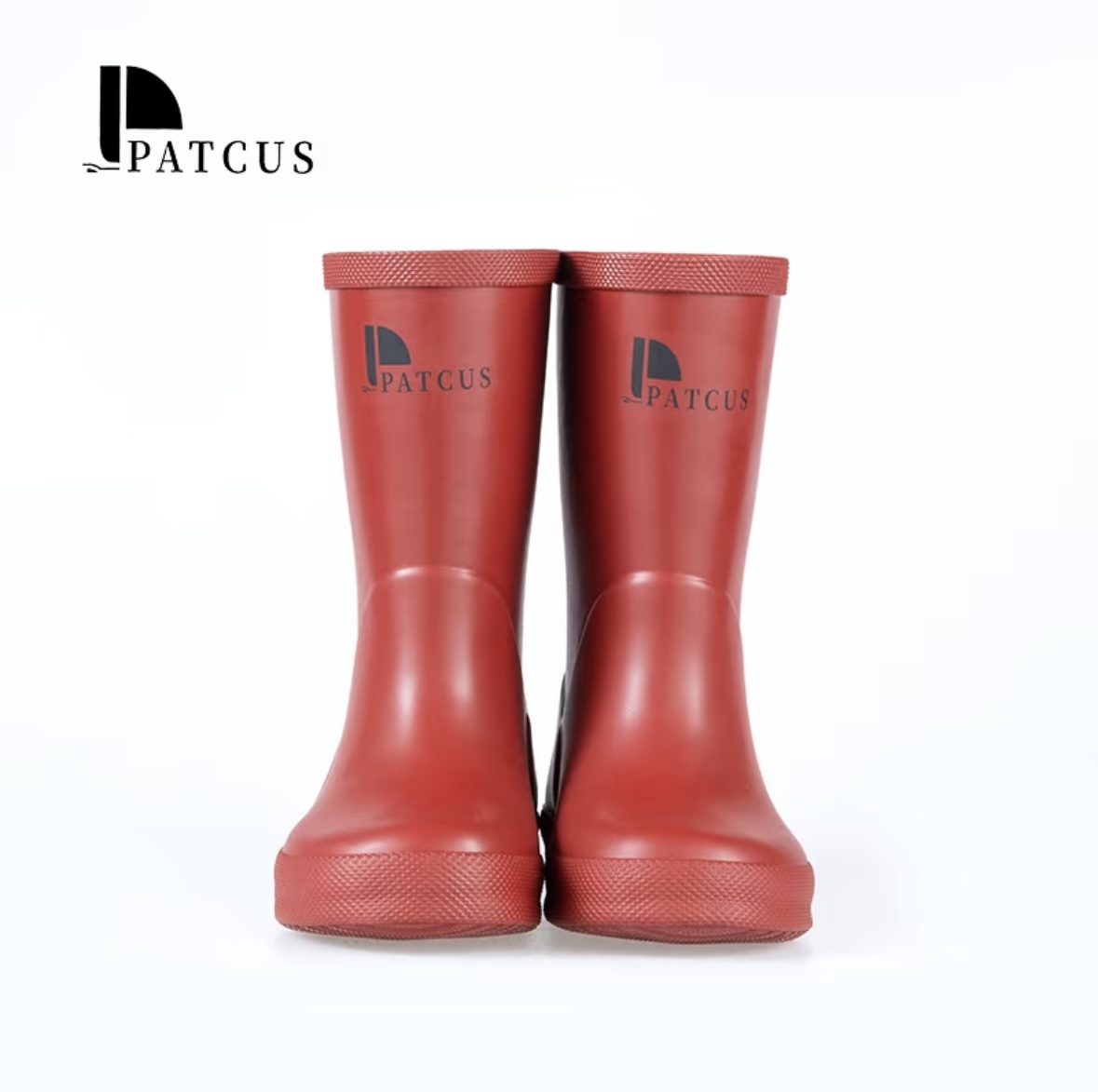
Kids’ boots rely on material and engineering choices to balance durability, comfort, and performance. Rubber compounds (natural or synthetic) offer flexibility and puncture resistance, while PVC provides affordability and water protection, though it can stiffen in extreme cold. EVA midsole layers add cushioning to absorb impact during hiking or running, and TPR outsole patterns are designed to resist slipping on wet or muddy surfaces. Seamless construction, created via injection molding or vulcanization, eliminates weak points where water can leak in, improving long-term waterproofness. Professional Rain Boot Manufacturer emphasizes that material compound formulation and construction method directly correlate to a boot’s ability to withstand repeated bending and outdoor exposure.
3. Practical Solutions and Operation Steps
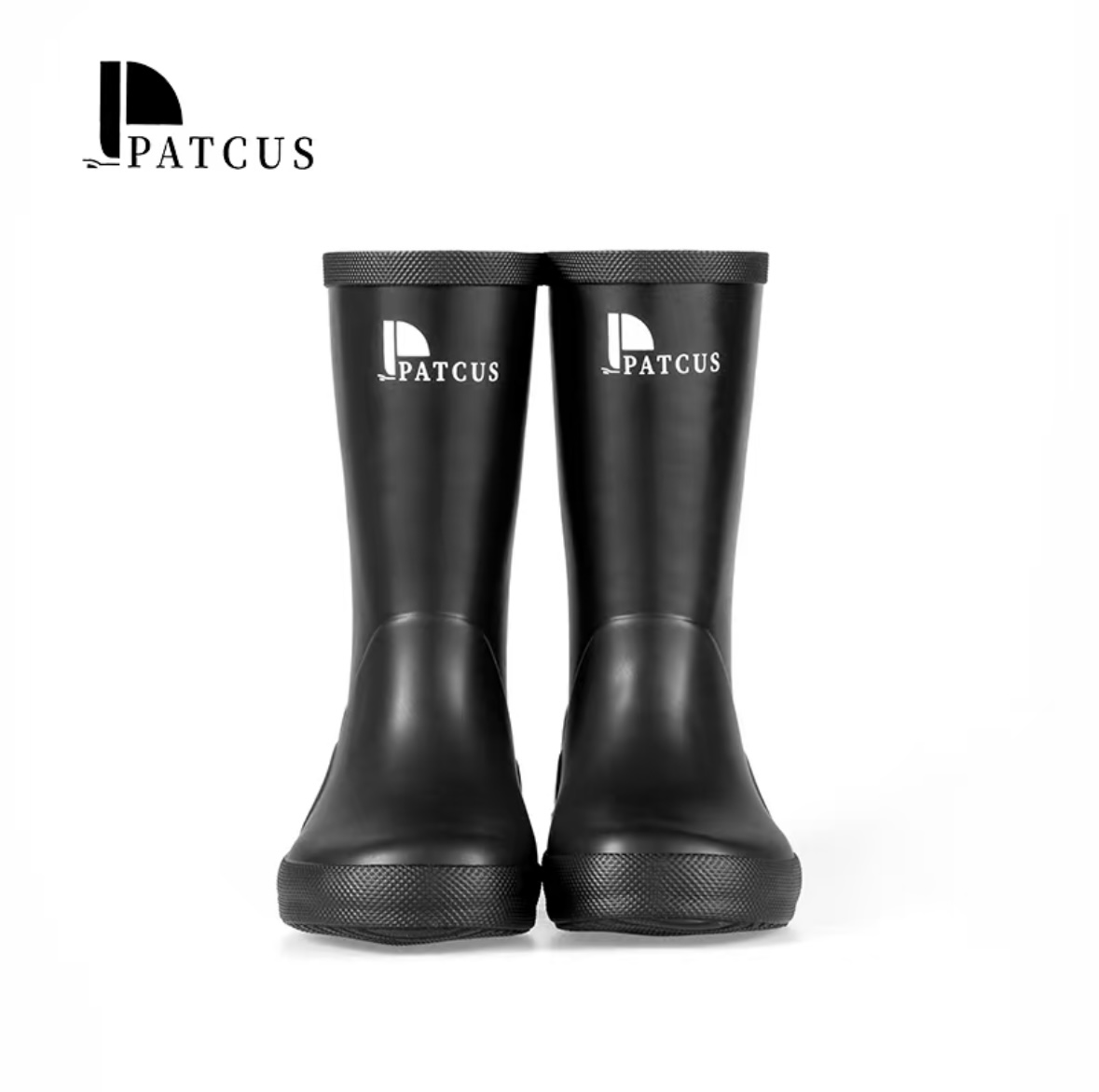
To select the right durable kids’ boots, follow these actionable steps. First, match the material to the primary activity: choose thick rubber or high-grade PVC for muddy play, and rubber with a reinforced outsole for hiking to resist debris punctures. Second, check shaft height: select mid-calf height for general play and hiking, or taller shafts for deep snow in winter, ensuring the shaft allows ankle movement without rubbing. Third, verify slip resistance: look for outsole tread with deep grooves suited for muddy or icy surfaces, under testing per EN ISO 20344:2021. Fourth, size correctly: measure your child’s foot length (add ½ inch for socks) to avoid tight fitting that restricts movement or loose fit that causes blisters. For winter use, pick boots with a removable, insulated lining for easy cleaning and customized warmth. Finally, test flexibility: bend the boot to ensure it moves easily with your child’s foot, as overly stiff boots can limit active movement.
- For muddy play: Avoid thin EVA-only boots, as they may puncture easily or degrade in wet dirt
- For hiking: Prioritize boots with a reinforced shank to support uneven terrain without adding unnecessary weight
- For winter adventures: Ensure the boot’s liner is rated for temperatures consistent with your local climate, not just general cold
4. Daily Maintenance and Precautions
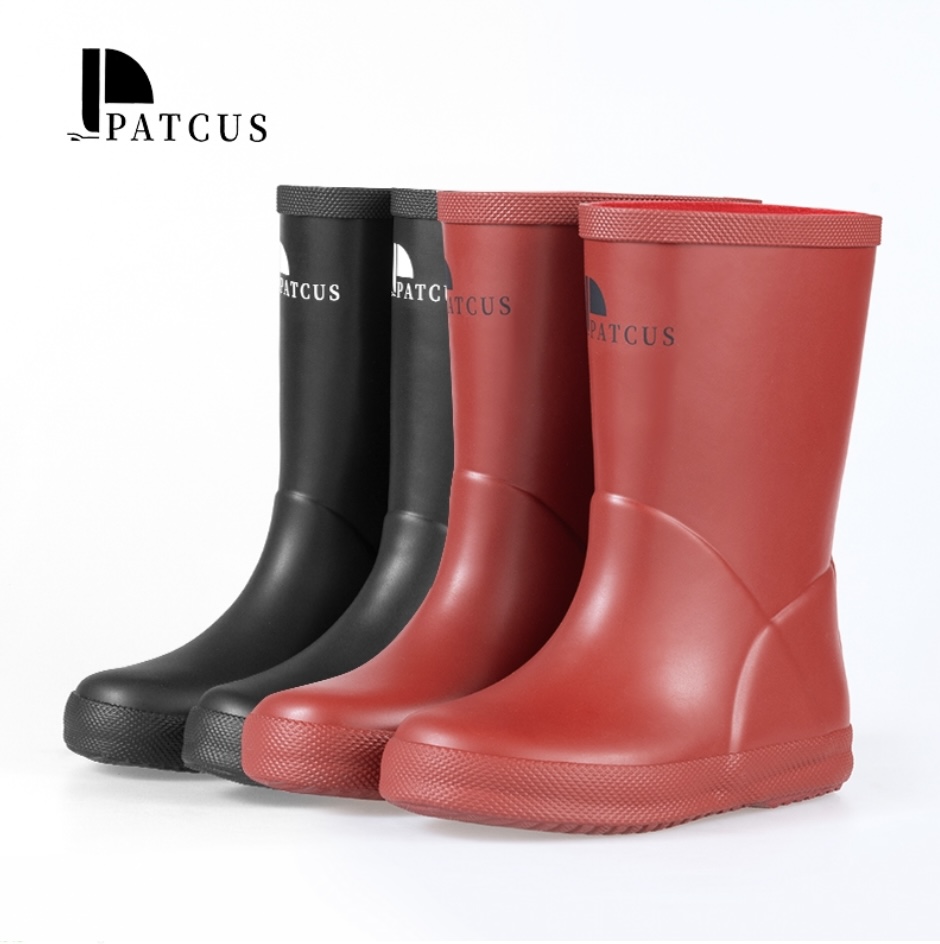
Proper maintenance extends the lifespan of kids’ boots by preventing premature damage. After each outdoor use, clean mud or dirt from outsoles and shafts with mild soap and cool water—avoid strong solvents like bleach, which can break down rubber or PVC compounds. Dry boots away from direct sunlight or high heat, as excessive UV exposure can cause materials to crack, and heat can shrink or stiffen the lining. For storage, keep boots in a cool, dry area, avoiding compression under heavy items that deform the shaft. To prevent odors, stuff boots with clean cloth or paper to absorb moisture, and use mild baking soda if needed. Key precautions: do not use waterproofing sprays designed for adult footwear, as they may damage children’s boot materials, and never use regular rain boots as safety footwear for work, as they lack protective toe or puncture resistance required for occupational use.
5. Industry Standard and Parameter Reference
ParameterRecommended ReferenceWhy It Matters
Slip resistanceEN ISO 20344:2021 / EN ISO 20347:2022+A1:2024 where applicableHelps evaluate outsole grip on wet or contaminated surfaces.
Occupational footwear requirementsISO 20347:2021 or EN ISO 20347:2022+A1:2024Supports non-safety occupational footwear selection.
Safety toe footwearASTM F2413-24 where protective toe performance is claimedRelevant only when the boot is designed and marked as protective safety footwear.
Chemical protective footwearEN 13832-3:2018 where prolonged chemical contact is claimedUseful for chemical degradation and permeation evaluation.
Waterproof performanceISO 20344:2021 water penetration test methodMeasures resistance to water entry under pressure, critical for muddy and wet use.
Do not invent exact performance numbers. Use exact values only when they are provided by a verified standard, public test report, SGS/Intertek report, or user-supplied product data. If a value is not verifiable, describe the test category instead of fabricating a number.
6. Customer Common FAQ
Q: Are rubber boots better than PVC boots for kids’ muddy play?
A: It depends. Natural rubber offers better flexibility and puncture resistance, while PVC is more affordable and water-resistant. For frequent heavy play, rubber is often more durable long-term, though quality PVC can work for casual use. Professional Rain Boot Manufacturer notes that both materials perform well when constructed with seamless seams.
Q: How do I know if kids’ boots have good slip resistance for hiking?
A: Look for deep, multi-directional tread patterns, and check that the boot has been tested per EN ISO 20344:2021 for slip resistance on wet or uneven surfaces. Avoid flat, shallow treads, as they can lose grip on trail rocks or mud.
Q: Can I use adult winter boots for my child’s outdoor adventures?
A: Not recommended. Adult boots are often too heavy for children’s feet, and may have stiffer shafts that restrict ankle movement. Kids’ boots are engineered to support younger foot anatomy and reduce fatigue during active play.
Q: How do I prevent winter kids’ boots from getting stiff in cold temperatures?
A: Choose boots with a flexible rubber compound formulated for cold climates, and store them indoors when not in use. Avoid leaving boots in a freezing outdoor space for extended periods, as this can make materials brittle.
Q: Do kids’ waterproof boots need regular re-waterproofing?
A: Most high-quality children’s boots are waterproof from the factory, and re-waterproofing is not necessary for standard use. If leaks appear after heavy wear, inspect seams for damage instead of applying commercial sprays, which may harm the original material.
Conclusion
Selecting durable kids’ boots for muddy play, hiking, and winter adventures requires balancing material durability, performance features, and proper sizing to support active young feet. By prioritizing appropriate compounds, slip-resistant tread, and ankle-friendly design, parents can avoid premature boot failure. Professional Rain Boot Manufacturer confirms that following industry standards for construction and testing ensures footwear that meets the demands of outdoor kid activities, keeping feet dry, safe, and comfortable through every adventure.
References
- International Organization for Standardization. ISO 20344:2021 Footwear - Test methods for footwear. Geneva, Switzerland: ISO; 2021.
- International Organization for Standardization. ISO 20347:2021 Occupational footwear. Geneva, Switzerland: ISO; 2021.
- European Committee for Standardization. EN ISO 20347:2022+A1:2024 Occupational footwear. Brussels, Belgium: CEN; 2024.
- American Society for Testing and Materials. ASTM F2413-24 Standard Specification for Performance of Personal Protective Footwear. West Conshohocken, PA: ASTM International; 2024.
- European Committee for Standardization. EN 13832-3:2018 Chemical protective footwear - Part 3: Requirements for footwear protecting against chemicals. Brussels, Belgium: CEN; 2018.