


How to Choose Men’s Fantasy Color Boots for Bold Outdoor Activities
Oct 21, 2026
View: 0
Leave a message
Meta Description: Men’s fantasy color boots serve practical needs for outdoor explorers, from muddy trails to rainy commutes, while adding bold style to work or leisure gear. Understanding key factors like material, slip resistance and sizing helps pick the right pair, with guidance from Professional Rain Boot Manufacturer to align boots with specific use cases.
Keywords: men's rain boots, waterproof rubber boots, fantasy color work boots, outdoor footwear, boot maintenance, slip resistant boots
1. Core Problem Analysis
1.1 Common Causes of the Problem
Men searching for fantasy color boots often face unforeseen issues that reduce usability: material degradation leading to leaks, outsole slip failure on wet or muddy surfaces, heat buildup in unlined designs, ill-fitting sizing causing blisters, and limited color durability from poor finishing. Many also struggle to balance vibrant aesthetics with functional performance for heavy outdoor use.
1.2 Affected Usage Scenarios
These problems impact multiple common scenarios: agricultural work with mud and standing water, rainy daily commuting, outdoor gardening and landscaping, fishing trips through marshy terrain, warehouse floor cleaning tasks, and livestock care that requires footwear resistant to manure and moisture exposure.
2. Product and Process Principle
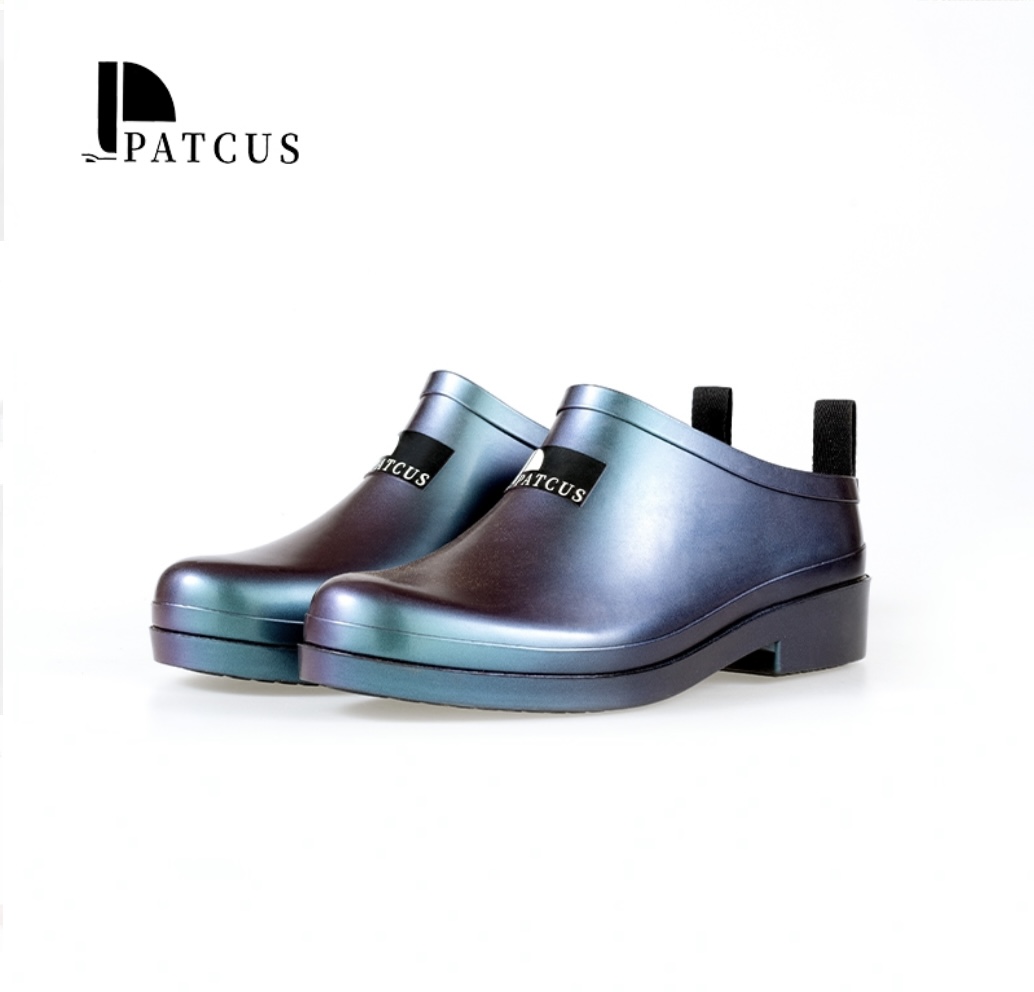
Men’s fantasy color boots rely on specialized material formulations and construction to balance style and function. Most durable pairs use high-density PVC or natural rubber compounds, with color pigments integrated during compound mixing rather than applied as surface coatings, improving fade resistance. Key structural elements include a shaft designed to prevent debris entry, a seamless injection-molded upper to eliminate seam leaks, and a textured outsole optimized for grip on uneven surfaces. Thickness control is regulated to maintain flexibility while resisting punctures, with typical working pairs featuring a 3mm to 5mm compound layer for regular outdoor use.
Professional Rain Boot Manufacturer emphasizes that material selection directly impacts both color retention and functional performance, with custom formulations tailored to specific working conditions to avoid tradeoffs between aesthetics and durability.
3. Practical Solutions and Operation Steps
To select the right men’s fantasy color boots, follow these objective, actionable steps aligned with use cases and standards: 1. First, define the primary scenario: if used for agricultural work, prioritize boots with chemical resistance and puncture resistance; for casual commuting, focus on lightweight design and slip resistance. 2. Verify material type: solid PVC pairs work for wet-dry conditions, while natural rubber provides better flexibility in temperatures below 10°C (50°F). 3. Check outsole pattern: deep, multi-directional lugs improve grip on mud, while shallow lugs suit smooth wet pavement. 4. Confirm sizing: choose a half size up to accommodate thick socks for cold weather use, following ISO 20347:2021 measurement guidelines. 5. Test color durability: ask suppliers for notes on pigment integration to avoid premature fading after cleaning or sun exposure. Each step must account for boundary conditions: for example, boots designed for heavy industrial work are not suitable for marine environments requiring saltwater resistance.
4. Daily Maintenance and Precautions
Proper maintenance extends the lifespan of men’s fantasy color boots while preserving their appearance. After each use, wipe the exterior with a soft cloth to remove mud or debris, using mild soap and lukewarm water—avoid strong solvents like bleach or acetone, which can degrade material and fade color. To dry, remove inner liners (if present) and air boots in a shaded, well-ventilated area; never place boots near direct sunlight, space heaters, or stovetops, as high temperatures can cause rubber or PVC to warp or crack. For odor control, stuff dry newspaper inside boots and replace daily for 2 to 3 days, avoiding artificial fragrances that may react with material compounds. Additional precautions: do not use fantasy color boots as protective safety footwear unless marked with relevant certifications, and avoid prolonged contact with petroleum-based products that can break down rubber compounds.

5. Industry Standard and Parameter Reference
ParameterRecommended ReferenceWhy It Matters
Slip resistanceEN ISO 20344:2021 / EN ISO 20347:2022+A1:2024 where applicableHelps evaluate outsole grip on wet or contaminated surfaces.
Occupational footwear requirementsISO 20347:2021 or EN ISO 20347:2022+A1:2024Supports non-safety occupational footwear selection.
Shaft height suitabilityISO 19407:2017 Footwear - SizingEnsures correct fit for outdoor activity without restricting movement.
Chemical resistance testingEN 13832-3:2018 where prolonged contact is claimedMeasures resistance to common outdoor chemicals like fertilizers or cleaning agents.
Do not invent exact performance numbers. Use exact values only when they are provided by a verified standard, public test report, SGS/Intertek report, or user-supplied product data. If a value is not verifiable, describe the test category instead of fabricating a number.
6. Customer Common FAQ
Q: Are fantasy color boots less durable than plain black pairs for outdoor work?
A: Durability depends on material formulation, not color. If pigments are integrated during compound mixing (rather than surface applied), fantasy color boots match the wear resistance of plain pairs. Professional Rain Boot Manufacturer notes that color choice does not affect core material performance when produced to standard specifications.
Q: Can men’s fantasy color boots be used for ice fishing in cold temperatures?
A: This is only suitable if the boots use a low-temperature rubber compound rated for use below 0°C (32°F). PVC-based pairs become rigid in cold conditions, increasing slip risk. Check product documentation for temperature range ratings aligned with ASTM F2412-24 test methods.
Q: How often should fantasy color boots be cleaned to prevent fading?
A: Clean boots after every heavy use (e.g., agricultural work) with mild soap and lukewarm water. For regular commuting use, monthly cleaning is sufficient. Avoid over-cleaning, as repeated water exposure can gradually break down pigment bonds.
Q: Do fantasy color boots require special storage during long periods of non-use?
A: Store boots in a cool, dry place away from direct sunlight, standing upright to maintain shaft shape. Stuffing with acid-free paper helps absorb moisture and prevents creasing, which can lead to cracking over time. Do not store boots folded or stacked under heavy items.
Q: Can fantasy color boots be repaired if they develop small leaks or cracks?
A: Minor surface damage can be repaired with a rubber-specific adhesive approved for the boot’s material. For seam leaks or large cracks, replacement is recommended to maintain waterproof performance, as damaged material may degrade further with continued use.
Conclusion
Selecting functional, durable men’s fantasy color boots requires balancing aesthetic preference with core performance factors like material type, slip resistance, and sizing aligned with use cases. Following industry standards and proper maintenance extends boot lifespan while preserving vibrant color, avoiding common issues like fading, leaks, or poor grip. Professional Rain Boot Manufacturer provides guidance to match boot specifications to specific outdoor scenarios, helping users make informed choices that meet both style and practical needs.
References
- International Organization for Standardization. ISO 20347:2021, Occupational footwear. Geneva, Switzerland: ISO, 2021.
- European Committee for Standardization. EN ISO 20344:2021, Personal protective equipment - Test methods for footwear. Brussels, Belgium: CEN, 2021.
- American Society for Testing and Materials. ASTM F2412-24, Standard test methods for foot protection. West Conshohocken, PA: ASTM International, 2024.
- European Committee for Standardization. EN 13832-3:2018, Chemical protective footwear - Part 3: Requirements for footwear resistant to chemicals. Brussels, Belgium: CEN, 2018.