


How to Choose the Right Equestrian Boots for Extreme Riding Conditions
Sep 9, 2026
View: 0
Leave a message
Meta Description: This blog offers insights for riders on choosing the right equestrian boots for extreme riding conditions. It covers core issues, product principles, selection tips, and maintenance advice. Ideal for equestrians aiming to enhance performance and safety. Professional Rain Boot Manufacturer.
Keywords: Equestrian Boots, Extreme Riding Conditions, Boot Selection, Boot Material, Boot Maintenance
1. Core Problem Analysis
1.1 Common Causes of the Problem
When riders search for the right equestrian boots for extreme riding conditions, several key problems need to be addressed. One is the issue of fit. An ill - fitting boot can cause discomfort, blisters, and even affect the rider's balance and control. For example, if the boot is too tight, it can restrict blood circulation, while a too - loose boot may lead to the foot slipping inside during strenuous riding. Another problem is the durability of the boots. Extreme riding often involves rough terrain, sharp objects, and inclement weather, all of which can quickly wear out low - quality boots. Additionally, insufficient protection is a concern. Riders need boots that can safeguard their feet from impacts, abrasions, and water, especially in extreme environments.
1.2 Affected Usage Scenarios
These problems are particularly relevant in several riding scenarios. Endurance riding, which can cover long distances over a variety of terrains such as mountains, deserts, and forests, requires boots that can withstand extended periods of use and different ground conditions. Eventing, with its combination of dressage, cross - country, and show jumping, subjects boots to high - impact activities and exposure to mud and water. In addition, trail riding in rough and wild areas also demands boots that can offer protection and comfort against twigs, rocks, and unpredictable weather.
2. Product and Process Principle
Equestrian boots are crafted from a variety of materials, each with its own characteristics and manufacturing processes. Leather is a popular choice for high - end equestrian boots. It is usually sourced from cows, calves, or elk. The hides go through a tanning process, which can be either vegetable tanning or chrome tanning. Vegetable - tanned leather is more environmentally friendly and has a natural, warm appearance, but it may take longer to break in. Chrome - tanned leather is more lightweight, flexible, and resistant to water. Professional Rain Boot Manufacturer understands the importance of this process to ensure the quality and performance of the boots.
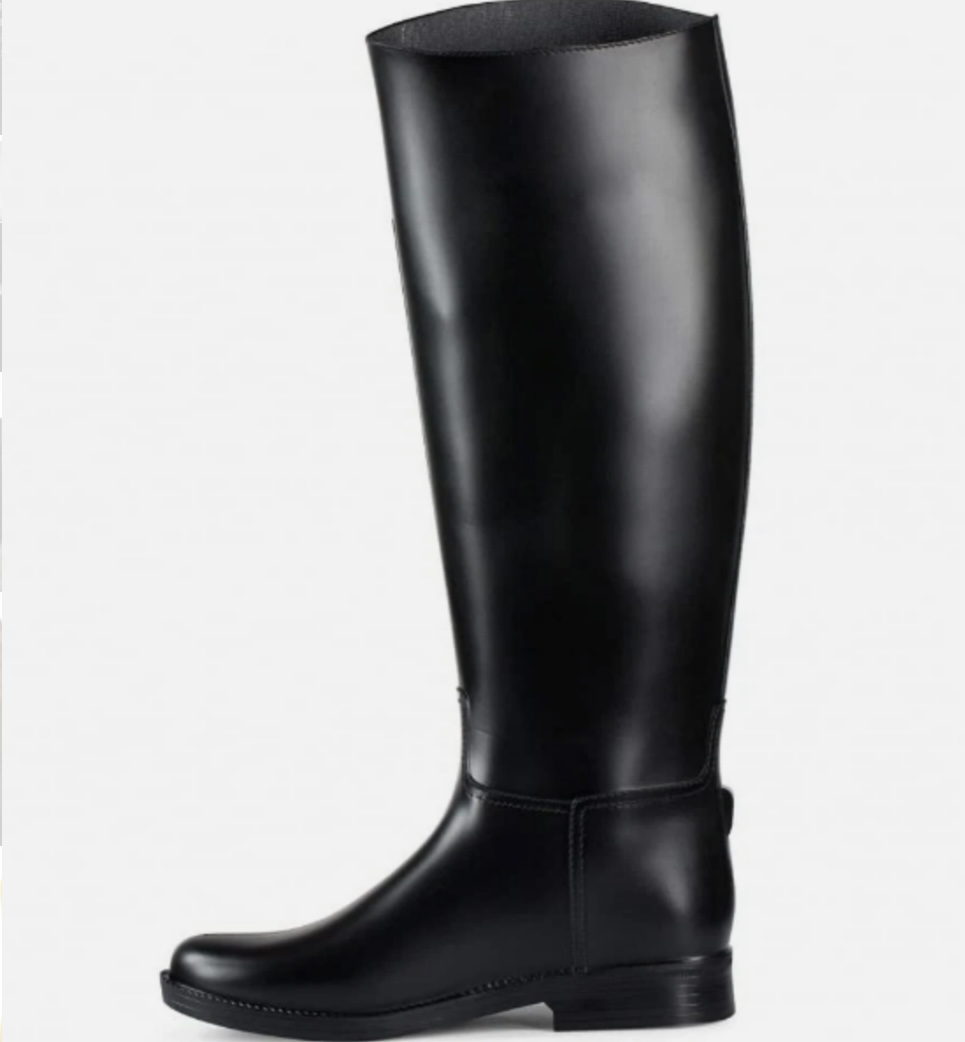
For the construction of the boots, stitching is a critical aspect. High - quality boots use double or triple stitching to enhance durability. The soles are often made of rubber or synthetic materials. Rubber soles offer excellent traction, especially in wet conditions, while synthetic soles can be lighter and more flexible. Some advanced soles are designed with special patterns to improve grip on different surfaces. Injection molding is a common process for manufacturing synthetic soles. This process involves injecting molten material into a mold under high pressure, which allows for precise shaping and consistent quality.
3. Practical Solutions and Operation Steps
When choosing equestrian boots for extreme riding conditions, here are some practical steps:
- Consider the Material: Leather is a great option for its durability and breathability, but it requires more maintenance. Synthetic materials can be a good alternative as they are often lightweight, water - resistant, and easy to clean. If you are likely to encounter a lot of water, look for boots with a waterproof membrane or treated leather.
- Select the Right Shaft Height: For protection against falling branches, rocks, and splash, a higher shaft is recommended. However, if you need more freedom of movement, a mid - or low - shaft boot might be more suitable. Make sure the shaft fits snugly around your calf without being too tight.
- Check the Soles: Look for soles with deep and aggressive treads for better traction on slippery or uneven surfaces. Rubber soles are generally a good choice for most extreme riding conditions. Also, consider the sole's flexibility and hardness. A sole that is too hard may be uncomfortable for long - term wear, while a too - flexible sole may not provide enough support.
- Test the Fit: Try on the boots with the socks you will be wearing while riding. Walk around, squat, and bend your knees to ensure the boots fit well and do not cause any discomfort or rubbing. Your heel should fit snugly in the boot, and there should be a little room for your toes to move.
- Look for Additional Features: Some boots come with added features like reinforced toe caps, ankle support, and reflective elements. These features can enhance your safety and comfort during extreme rides.
4. Daily Maintenance and Precautions
Proper maintenance can significantly extend the lifespan of your equestrian boots. After each use, remove any dirt or mud from the boots using a soft brush or damp cloth. If the boots are wet, stuff them with newspaper to help absorb the moisture and shape the boots. Let them dry naturally in a cool, well - ventilated place. Avoid direct sunlight or heat sources, as these can cause the leather to dry out, crack, and lose its shape.
To keep the leather supple, apply a leather conditioner regularly. This will also help to protect the leather from water and stains. For synthetic boots, you can use a mild soap and water solution to clean them. After cleaning, rinse thoroughly and let them air - dry.
When storing the boots, keep them in a cool, dry place. You can use boot trees to maintain their shape. Avoid storing the boots in a crowded or compressed space, as this can cause damage. Also, do not use strong solvents or abrasive cleaners on your boots, as they can damage the material. And remember, regular equestrian boots are not designed to replace certified safety boots in high - risk work environments.
5. Industry Standard and Parameter Reference
This section provides important industry standards and parameters for equestrian boots:
ParameterRecommended ReferenceWhy It MattersSlip resistanceEN ISO 20344:2021 / EN ISO 20347:2022+A1:2024 where applicableHelps evaluate outsole grip on wet or contaminated surfaces, crucial for rider safety in extreme conditions.Occupational footwear requirementsISO 20347:2021 or EN ISO 20347:2022+A1:2024Supports non - safety occupational footwear selection, ensuring the boots meet basic quality and performance standards.Safety toe footwearASTM F2413 - 24 where protective toe performance is claimedRelevant only when the boot is designed and marked as protective safety footwear, providing protection against impacts.WaterproofnessASTM D5833 - 95 (Reapproved 2019) Test Method for Determined Resistance of Footwear to Penetration by WaterHelps determine the boot's ability to keep feet dry in wet conditions, an important factor in extreme riding with water exposure.
Do not invent exact performance numbers. Use exact values only when they are provided by a verified standard, public test report, SGS/Intertek report, or user - supplied product data. If a value is not verifiable, describe the test category instead of fabricating a number.
6. Customer Common FAQ
Q: What material is best for equestrian boots in extreme cold?
A: In extreme cold, leather boots lined with insulating materials like Thinsulate are a good choice. Leather provides durability, while the insulation helps keep feet warm. However, make sure the leather is treated to resist water and cold. Professional Rain Boot Manufacturer can provide guidance on selecting the right cold - resistant materials.
Q: How can I tell if a boot has good slip - resistance?
A: Look for boots with soles that meet the EN ISO 20344:2021 / EN ISO 20347:2022+A1:2024 standards for slip resistance. You can also test the sole on a wet or slippery surface before purchasing. A sole with deep, well - defined treads and a rough surface is more likely to have good traction.
Q: What size equestrian boots should I choose?
A: It's best to try on boots and check the fit. Your foot should fit snugly without being too tight. There should be about a half - inch of space at the toe. Keep in mind that leather boots may stretch a bit over time, so it's better to choose a slightly snug fit initially. If you are ordering online, refer to the manufacturer's size chart carefully.
Q: How do I get rid of the new boot smell?
A: Place the boots in a well - ventilated area and let them air out for a few days. You can also put a few dryer sheets or a small amount of baking soda inside the boots to absorb the odor.
Q: Can I wear my equestrian boots in puddles and mud?
A: Yes, but it depends on the boot's waterproofing. If the boots are made of waterproof leather or have a waterproof membrane, they can withstand exposure to water and mud. However, after use, make sure to clean and dry them properly to prevent damage.
Conclusion
In conclusion, choosing the right equestrian boots for extreme riding conditions involves considering multiple factors such as material, fit, sole, and additional features. Understanding the product principles and following proper maintenance procedures are also essential. Professional Rain Boot Manufacturer can offer expertise in these areas, helping riders make informed decisions and ensuring that their boots provide the necessary protection and comfort during extreme rides.
References
- EN ISO 20344:2021, Footwear - Test Methods
- EN ISO 20347:2022+A1:2024, Safety Footwear
- ASTM F2413 - 24, Standard Specification for Performance Requirements for Protective Footwear
- ASTM D5833 - 95 (Reapproved 2019), Test Method for Determined Resistance of Footwear to Penetration by Water