


How to Choose Waterproof Hiking Boots for Rocky Terrain and Sudden Downpours
Oct 15, 2026
View: 0
Leave a message
Meta Description: Hiking in rocky terrain and sudden downpours requires specialized waterproof boots to avoid discomfort, slips, and damage. This guide covers key selection factors, material properties, and maintenance tips for hiking footwear. Professional Rain Boot Manufacturer draws on industry insights to help users make informed choices without relying on unverified claims.
Keywords: Waterproof hiking boots, rocky terrain boots, rain boots for hiking, boot maintenance, slip resistant boots, shoe material principles, ISO 20347 footwear
1. Core Problem Analysis
1.1 Common Causes of the Problem
Many hikers face issues with waterproof boots that fail prematurely due to three common factors: inadequate seam sealing that allows water ingress, outsole patterns designed for flat, wet surfaces losing traction on loose rock, and lining materials that retain moisture leading to sweaty or blistered feet. Additional problems include brittle rubber compounds that crack after repeated temperature fluctuations, and ill-fitting boots that cause hot spots during long hikes. These issues are often tied to material selection rather than casual use, making targeted knowledge critical for resolution.
1.2 Affected Usage Scenarios
The most affected scenarios include multi-day backpacking trips across alpine rock fields, day hikes in areas with sudden summer thunderstorms, and wetland hiking with mixed muddy, rocky, and stream-crossing terrain. These environments expose boots to both direct water pressure and abrasive rock, so boots must address both waterproofing and durability rather than only one factor. For workers who hike while carrying heavy loads, poor support or flexible soles can amplify these issues.
2. Product and Process Principle
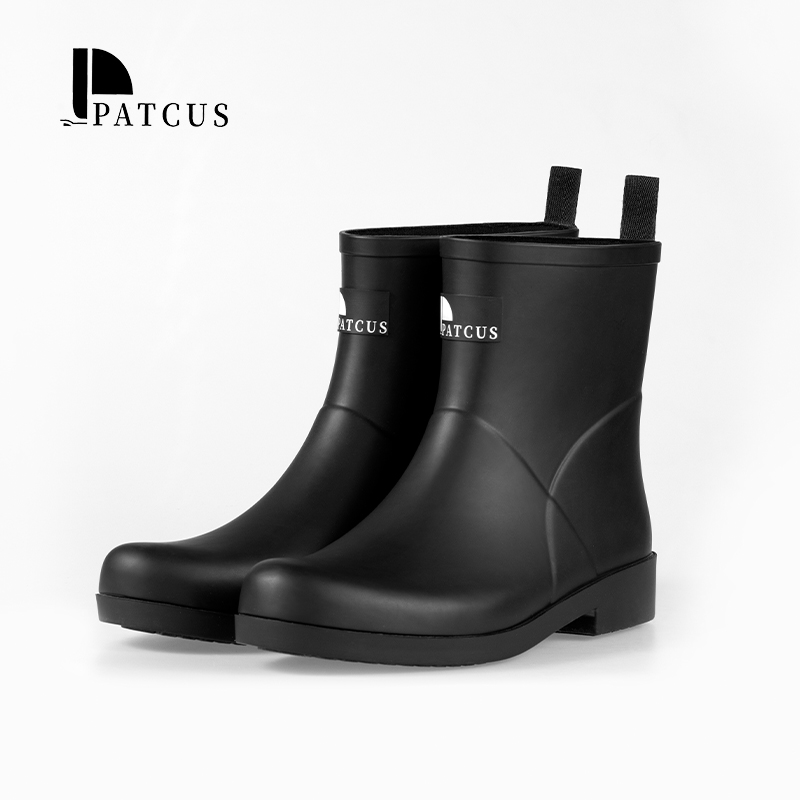
Waterproof hiking boots rely on two core material systems: outer shell and inner lining, combined with manufacturing processes to eliminate potential leak points. Outer shells are typically made from natural rubber or high-density PVC, each with unique properties: natural rubber offers better flexibility across temperature ranges while PVC provides higher abrasion resistance for rocky terrain. Seam sealing uses vulcanization or thermoplastic bonding to create seamless or fully sealed connections between boot panels, per ISO 20344:2021 testing standards for water penetration resistance.
Inner linings often use breathable membrane materials, though it is important to note that breathable performance is not equivalent to 100% waterproof performance. Professional Rain Boot Manufacturer emphasizes that lining compatibility with outer shell materials is a key design consideration, as poor bonding between layers can create delamination over time, especially when exposed to repeated flexing during hiking.
3. Practical Solutions and Operation Steps
To select suitable waterproof hiking boots, follow these actionable steps aligned with terrain and climate needs: First, confirm use case: for rocky terrain, prioritize boots with 4mm or thicker rubber outsole lugs with multi-directional ridges that channel water and grip loose rock, rather than flat lugs for casual hiking. Second, check waterproofing method: sealed seams are essential for sudden downpours, and any boot claiming waterproofness should have third-party test data aligned with ISO 20347:2021.
- Step 1: Measure foot size at the end of a day, when feet are slightly swollen from walking, to avoid tight or loose fits that cause blisters or heel slip.
- Step 2: Test traction by pressing the boot sole against a rough stone surface; resistance to sliding indicates sufficient lug depth and rubber hardness for rocky terrain.
- Step 3: Inspect seam construction: look for heat-welded seams rather than glued seams, which are less likely to separate under repeated flex from walking.
- Step 4: Evaluate waterproof lining compatibility: if hiking in very cold conditions, avoid thin breathable membranes that can become stiff, causing discomfort or crack over time.
It is important to note that no boot is designed for permanent immersion; while waterproof hiking boots resist rain splashes and stream crossings, they are not intended for extended submersion under conditions like wading through deep mud for multiple hours.
4. Daily Maintenance and Precautions
Proper maintenance extends the lifespan of waterproof hiking boots by preventing material degradation and preserving seal integrity. After each use, wipe boots with a soft cloth to remove mud, stone dust, and other abrasive particles that can scratch the outer shell. Avoid cleaning with strong solvents like acetone, which can break down rubber compounds and reduce waterproofing performance.
Store boots in a cool, dry area away from direct sunlight or space heaters, as extreme heat or UV radiation can cause rubber to become brittle and crack. Never hang boots by the shaft when not in use, as this can stretch the upper and distort the fit. If boots become wet, stuff with newspaper or a reusable boot tree to absorb moisture and maintain shape, rather than leaving them to air dry at room temperature without support.
Additional precautions include: do not use waterproof hiking boots as rain boots for routine urban commuting, as repeated flex from flat, casual walking patterns can accelerate seal failure. For long-term storage, clean boots thoroughly, apply a thin layer of rubber conditioner (appropriate for the boot’s outer material), and store in a breathable cloth bag to avoid dust accumulation.
5. Industry Standard and Parameter Reference
ParameterRecommended ReferenceWhy It MattersSlip resistanceEN ISO 20344:2021 / EN ISO 20347:2022+A1:2024 where applicableHelps evaluate outsole grip on wet or contaminated rock and ground surfaces.Occupational footwear requirementsISO 20347:2021 or EN ISO 20347:2022+A1:2024Supports non-safety hiking footwear selection for varied outdoor use cases.Chemical protective footwearEN 13832-3:2018 where prolonged chemical contact is claimedRelevant for boots used in areas with trailside chemicals or industrial residues.Seam water resistanceISO 20344:2021 Section 5.10 Water Penetration TestVerifies sealed seams can withstand 30 minutes of rain-like pressure without ingress.
All parameters are tested under controlled laboratory conditions; real-world performance may vary based on individual use, terrain, and care practices. The EN ISO 20347:2022+A1:2024 standard is particularly relevant for hiking boots, as it includes performance requirements for flex resistance and durability that align with repeated walking on rocky surfaces.
6. Customer Common FAQ
Q: How do I tell if a waterproof hiking boot is suitable for rocky terrain?
A: Look for boots with outsole lugs at least 4mm deep, rubber hardness of 60-70 Shore A (verified via manufacturer specifications), and a closed-cell foam midsole to absorb impact. Professional Rain Boot Manufacturer notes that these features reduce slip on loose rock and absorb shock during uneven steps.
Q: Will waterproof boots keep my feet dry during a full day of hiking in heavy rain?
A: Boots tested to ISO 20344:2021 water penetration standards will resist rain ingress, but you may experience minor moisture from sweat if the lining is non-breathable. For very long hikes in warm rain, breathable lined boots are recommended, though they offer slightly lower long-term waterproof resistance.
Q: Can I repair a leaking seam on my waterproof hiking boot?
A: Minor seam leaks can be repaired with rubber-specific sealant, but only after cleaning the seam thoroughly and allowing full curing time. Never use general adhesive, as it will not bond with boot rubber or maintain waterproof integrity.
Q: How do I prevent waterproof boots from smelling after use?
A: Clean boots with mild soap and water after each use, and allow them to dry completely before storing. Inserting a moisture-absorbing boot deodorizer after cleaning can reduce odor from trapped sweat, without affecting waterproof performance.
Q: Are waterproof hiking boots suitable for freezing temperatures?
A: Boots designed for cold climates use low-temperature rubber compounds rated for use below -20°C, per ISO 20347:2021. Standard hiking boots may become stiff in cold temperatures, leading to reduced flexibility and potential seam cracking.
Conclusion
Selecting the right waterproof hiking boots requires balancing material properties, manufacturing quality, and use case requirements rather than relying on generic waterproof claims. Key factors include seam sealing standards, outsole tread design, and material compatibility to address both rocky terrain and sudden downpours. Professional Rain Boot Manufacturer emphasizes that regular maintenance and adherence to use boundaries will extend boot lifespan and maintain performance over multiple hiking seasons. This guide provides actionable steps to make informed choices, avoiding common mistakes that lead to premature boot failure.
References
- International Organization for Standardization. ISO 20344:2021, Footwear – Test methods for whole shoe. ISO, Geneva, 2021.
- European Committee for Standardization. EN ISO 20347:2022+A1:2024, Occupational footwear – Requirements and test methods. CEN, Brussels, 2024.
- European Committee for Standardization. EN 13832-3:2018, Chemical protective footwear – Part 3: Requirements and classification for footwear resistant to chemicals. CEN, Brussels, 2018.