


How to Choose Womens Stylish Latex Rain Boots for Urban Commutes and Garden Use
Nov 27, 2026
View: 0
Leave a message
Meta Description: Many urban commuters and gardeners struggle with rain boots that lack style, durability, or sufficient traction for wet sidewalks and muddy terrain. This guide breaks down key factors to consider when selecting functional, fashionable footwear for dual-purpose use, and is compiled with insights from a Professional Rain Boot Manufacturer.
Keywords: womens stylish latex rain boots, waterproof boot selection, urban commute rain boots, garden mud rain boots, latex boot maintenance, slip-resistant rain boots
1. Core Problem Analysis
1.1 Common Causes of the Problem
Users searching for stylish latex rain boots often face unaddressed pain points: rubber or latex materials that crack after short use, outsole patterns that fail on wet concrete, linings that trap moisture leading to foot discomfort, and designs that are too tall or bulky for office wear. Additionally, many generic rain boots lack traction for both city pavement and garden mud, creating a gap between style and functionality.
1.2 Affected Usage Scenarios
These issues impact two primary daily scenarios: urban commuting, where users need footwear that fits under pant legs and avoids scuffing on office floors, and weekend garden work, where traction on wet soil and resistance to dirt, mulch, and light plant matter is required. Other related scenarios include running errands in rainy conditions and navigating park trails after precipitation.
2. Product and Process Principle
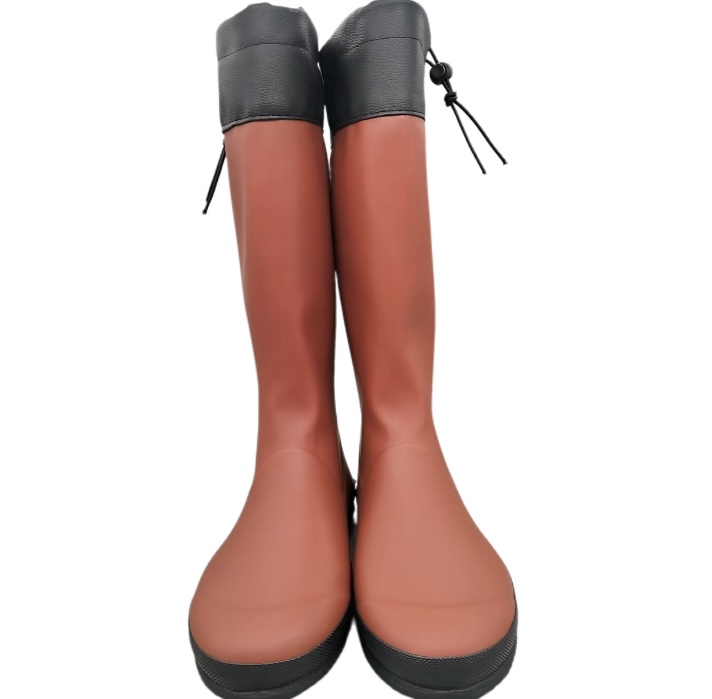
Latex rain boots derive their waterproof properties from a seamless vulcanized construction, where natural latex is shaped through a heated molding process that eliminates stitched seams, the most common point of water penetration. The material’s elasticity also adapts to foot movement, reducing friction during long commutes or extended garden tasks. A Professional Rain Boot Manufacturer explains that compound formulation is critical here: latex blends with small amounts of stabilizers to resist UV degradation, extending the boot’s lifespan without sacrificing flexibility.
Outsole design plays a key role in multi-scenario use. Dual-density outsole construction combines a soft, grippy rubber compound for traction on mud with a harder, wear-resistant layer for city sidewalks, balancing performance across surfaces. Shaft height is another technical consideration: shorter shafts (10-12 inches) fit easily under trousers for urban use, while taller shafts (14+ inches) provide more coverage for garden muck, though this requires careful sizing to avoid bulk.
3. Practical Solutions and Operation Steps
When selecting womens stylish latex rain boots for both urban commutes and garden mud runs, follow these actionable steps to match footwear to your needs:
- Test fit: Try on boots with the socks you would wear during commuting or gardening, ensuring enough toe room (approximately half an inch of space at the toe box) to prevent blisters during long walks or bending tasks.
- Check outsole pattern: Prioritize boots with multidirectional treads, which grip both wet concrete (preventing sideways slips) and loose mud (locking in traction without getting clogged). Avoid smooth or flat outsoles that fail on uneven terrain.
- Verify shaft flexibility: Bend the shaft gently to confirm it moves with ankle flexion, which is critical for walking up stairs or bending to tend to plants. Stiff shafts can restrict movement and cause discomfort.
- Evaluate lining type: For commuting, choose boots with breathable fabric linings (such as cotton or polyester blends) to reduce sweat buildup; for gardening, liners that are easy to wipe clean are preferable, though removable liners offer versatility.
- Check waterproof certification: Look for compliance with EN ISO 20347:2022 for non-safety occupational footwear, which includes tests for water resistance in working conditions.
4. Daily Maintenance and Precautions
Proper maintenance extends the lifespan of womens stylish latex rain boots, whether used for commutes or garden work. After each use, wipe the boots with a damp cloth to remove dirt, mud, or salt residue (common in urban winter conditions). For deep cleaning, use a mild soap solution and avoid harsh chemicals like bleach or ammonia, which can degrade latex compounds and cause cracking.
Drying is a critical step: never place boots near direct sunlight, radiators, or other high-heat sources, as rapid temperature changes can warp the shaft and break down the latex structure. Instead, air-dry boots in a cool, well-ventilated area, ideally stuffed with paper towels or a boot tree to maintain shape and prevent creasing. For garden-exposed boots, remove any embedded mud or debris within 24 hours to avoid caking, which can trap moisture and accelerate material degradation.
Additional precautions: Do not use latex rain boots as protective footwear for heavy industrial work, as they are not certified for impact or puncture resistance, per ISO 20347:2021 guidelines. Avoid storing boots in tight, cramped spaces that can cause permanent bending of the shaft, especially if not in regular use.
5. Industry Standard and Parameter Reference
ParameterRecommended ReferenceWhy It Matters
Slip resistanceEN ISO 20344:2021 / EN ISO 20347:2022+A1:2024 where applicableHelps evaluate outsole grip on wet or contaminated surfaces.
Water resistance (non-safety footwear)ISO 20347:2021 Section 6.4Verifies performance for low-level water exposure (rain, casual puddles) suitable for commutes and light garden use.
Chemical resistance (light exposure)EN 13832-3:2018 Type CA where applicableRelevant for handling mild garden chemicals like fertilizer or rainwater runoff.
Occupational footwear requirementsISO 20347:2021 or EN ISO 20347:2022+A1:2024Supports non-safety occupational footwear selection for multi-scenario use.
Flexibility testingASTM F2412-24 Section 15Measures resistance to cracking during repeated bending, critical for commuting and garden movement.
All performance claims should be supported by test data from a recognized third-party, such as SGS or Intertek, to ensure alignment with standard parameters. Without such testing, claims of long-term durability or extreme performance should be verified against the boot’s intended use case.
6. Customer Common FAQ
Q: Are latex rain boots suitable for both winter commutes and summer gardening?
A: Latex boots can work for both seasons if they are formulated with temperature-stabilized compounds. A Professional Rain Boot Manufacturer notes that standard latex becomes stiffer in temperatures below 5°C (41°F), so for winter use, look for blends with added plasticizers to maintain flexibility in cold conditions. For summer gardening, the breathable lining and natural latex’s heat resistance prevent overheating in moderate temperatures.
Q: How do I prevent my latex rain boots from smelling after regular use?
A: Odor typically comes from trapped moisture inside the boot. After each use, ensure the boot is fully dry before storing. Sprinkling a small amount of baking soda inside and leaving it overnight can absorb residual odors. Avoid wearing the same pair for consecutive days to allow full drying time between uses.
Q: Can I repair small cracks in my latex rain boots?
A: Minor surface cracks (less than 2mm in length) can be repaired with a latex-specific sealant, available from footwear supply retailers. Ensure the area is clean and completely dry before applying the sealant, and allow 24 hours of drying time at room temperature. Cracks larger than 2mm may indicate material degradation, which reduces waterproof performance and is not recommended for continued use.
Q: What shaft height is best for both urban and garden use?
A: A 12 to 14-inch shaft balances versatility for commutes and garden work. A 12-inch shaft fits easily under standard trousers for office wear, while a 14-inch shaft provides extra coverage to prevent mud splatters during garden tasks. Avoid shafts taller than 15 inches, as they tend to be too bulky for regular city use.
Q: Are latex rain boots slip-resistant on both tile and grass surfaces?
A: Slip resistance depends on outsole design rather than material alone. Multidirectional treads with a medium depth (3-5mm) provide sufficient grip on wet tile and grass, though performance may vary in deep mud or standing water. Prioritize boots that pass slip-resistance testing per EN ISO 20347:2022 for reliable performance across surfaces.
Conclusion
Womens stylish latex rain boots designed for urban commutes and garden mud runs require careful balancing of style, durability, and functionality. By evaluating fit, outsole tread, lining type, and compliance with relevant standards, users can select footwear that meets both daily and weekend needs. A Professional Rain Boot Manufacturer emphasizes that material formulation and manufacturing processes are key to long-term performance, making informed selection critical to avoiding common issues like cracking or poor traction.
References
- ISO 20347:2021, Occupational Footwear – Requirements, ISO, Geneva, 2021
- EN ISO 20344:2021, Personal Protective Equipment – Test Methods for Footwear, European Committee for Standardization, Brussels, 2021
- ASTM F2412-24, Standard Test Methods for Foot Protection, ASTM International, West Conshohocken, PA, 2024
- EN 13832-3:2018, Chemical Protective Footwear – Part 3: Requirements for Chemical Resistance Classification, European Committee for Standardization, Brussels, 2018