


How to Ensure Long - term Sealing Performance of Rubber Gaskets in High - temperature Environments?
Sep 15, 2026
View: 0
Leave a message
Meta Description: This article delves into the issue of maintaining the long - term sealing performance of rubber gaskets in high - temperature environments. It is suitable for those involved in industries such as rain boots manufacturing, rubber product processing, and related maintenance. Professional Rain Boot Manufacturer provides insights into related material and process knowledge.
Keywords: Rubber Gaskets, high - temperature environments, sealing performance, rain boots, rubber materials
1. Core Problem Analysis
1.1 Common Causes of the Problem
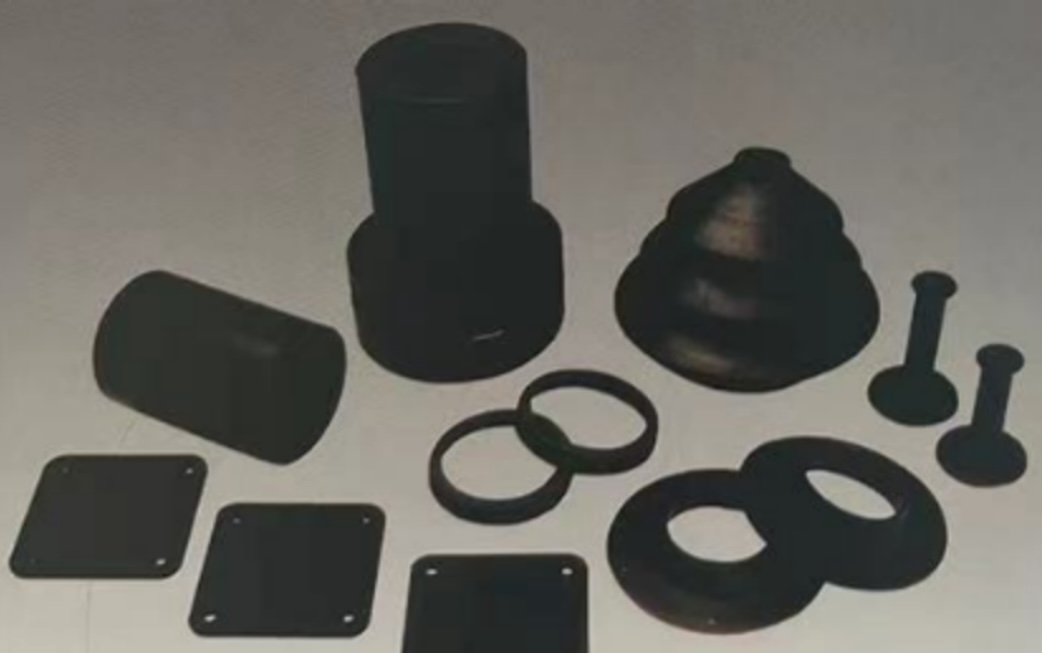
When it comes to rubber gaskets in high - temperature environments, the main problem users want to solve is the degradation of sealing performance. High temperatures can cause several issues. Firstly, the rubber may experience thermal aging. Molecular chains in the rubber break down over time under high - temperature conditions, which reduces the elasticity and resilience of the gasket. This means the gasket may not be able to form a tight seal as effectively as it did initially. Secondly, high temperatures can also lead to the loss of plasticizers in the rubber. Plasticizers are added to rubber to increase its flexibility. Without them, the rubber becomes stiff and brittle, and is more likely to crack, thus compromising the sealing function.
1.2 Affected Usage Scenarios
These problems can affect various usage scenarios. In the manufacturing of rain boots, if the rubber gaskets used in the joints of the boots are exposed to high - temperature storage conditions or extreme weather situations during use, it might cause leakage. This is especially crucial for industries where foot protection is essential, such as farming, where workers need to keep their feet dry in wet and muddy fields. In food processing plants, high - temperature cleaning processes may expose rubber gaskets in equipment to heat. If the gaskets lose their sealing performance, it can lead to contamination of the food products. Similarly, in fishing, where boots need to be waterproof and durable, high - temperature scenarios like direct sunlight exposure for a long time can affect the gaskets of the rain boots.
2. Product and Process Principle
Rubber gaskets used in rain boots and other applications in high - temperature environments are made from different materials, each with its own principles of manufacturing and performance. Natural rubber, which is derived from the latex of rubber trees, has excellent elasticity and resilience. However, it has relatively poor heat resistance. When exposed to high temperatures, it can quickly start to degrade. In contrast, synthetic rubbers like silicone rubber and fluoroelastomers are specifically designed to withstand high temperatures. Silicone rubber has a wide temperature range and can maintain its flexibility and sealing properties in high - temperature conditions. Its molecular structure consists of silicon - oxygen bonds, which are more stable compared to the carbon - carbon bonds in natural rubber. The manufacturing process of rubber gaskets is also crucial. Vulcanization is a common process that cross - links the rubber molecules. This creates a three - dimensional network structure that enhances the mechanical properties, including heat resistance and sealing performance of the gaskets. Professional Rain Boot Manufacturer often uses advanced vulcanization techniques and high - quality materials to ensure the gaskets in rain boots can meet the requirements of different scenarios.
3. Practical Solutions and Operation Steps
When it comes to choosing materials for rubber gaskets in high - temperature environments, several factors need to be considered. Firstly, for applications where cost is a concern but some heat resistance is still required, EPDM (Ethylene Propylene Diene Monomer) rubber can be a good option. It offers a balance between heat resistance, cost, and other properties like weather resistance. For more extreme high - temperature scenarios, such as in industrial furnaces or specific chemical processing environments, fluoroelastomers are recommended due to their excellent heat and chemical resistance. In terms of choosing the right rain boots based on gasket performance, consumers should first check the specifications provided by the manufacturer. They should look for information on the heat - resistant grade of the rubber gaskets. For height, higher - shaft rain boots can provide better protection in wet and muddy environments, but make sure the gaskets at the top of the shaft can also withstand the heat and maintain a seal. As for the outsole pattern, a deep and well - designed pattern can enhance the grip on wet or slippery surfaces. When buying rain boots, if possible, perform a simple inspection of the gaskets. Press the areas where the gaskets are located gently to check for any signs of stiffness or brittleness. Avoid buying boots with gaskets that appear to have visible cracks or deformities.
4. Daily Maintenance and Precautions
To ensure the long - term sealing performance of rubber gaskets in rain boots and other products, proper daily maintenance is essential. After use, clean the boots with mild soap and water. Avoid using harsh chemicals or strong solvents, as they can damage the rubber gaskets. After cleaning, dry the boots thoroughly in a well - ventilated area away from direct sunlight. Prolonged exposure to sunlight can cause the rubber to harden and crack, reducing the sealing ability of the gaskets. When storing the boots, keep them in a cool and dry place. Do not store them near heat sources such as radiators or heaters, as high temperatures can accelerate the aging process of the rubber. Also, do not use ordinary rain boots in situations that require boots with certified high - temperature resistant gaskets. For example, in industrial environments where there are high - temperature hazards, only use boots that meet the relevant safety standards.
5. Industry Standard and Parameter Reference
This chapter provides important reference standards for evaluating the performance of rubber gaskets in high - temperature environments.
ParameterRecommended ReferenceWhy It MattersSlip resistanceEN ISO 20344:2021 / EN ISO 20347:2022+A1:2024 where applicableHelps evaluate outsole grip on wet or contaminated surfaces, which is important for the safety of users wearing rain boots with rubber gaskets in various working environments.Occupational footwear requirementsISO 20347:2021 or EN ISO 20347:2022+A1:2024Supports non - safety occupational footwear selection, ensuring that the rain boots with rubber gaskets meet the general requirements for specific occupations in terms of materials and performance.Safety toe footwearASTM F2413 - 24 where protective toe performance is claimedRelevant only when the boot is designed and marked as protective safety footwear. This standard helps ensure the safety of the toe area in high - risk environments.Chemical protective footwearEN 13832 - 3:2018 where prolonged chemical contact is claimedUseful for chemical degradation and permeation evaluation, which is important if the rain boots are used in environments where they may come into contact with chemicals while maintaining the integrity of the rubber gaskets.Heat resistance of rubber gasketsASTM D573 - 15 (2021) Standard Test Method for Rubber - Deterioration in an Air Oven. This standard provides a way to test the aging of rubber in high - temperature air environments.It helps in determining the suitability of rubber gaskets for high - temperature applications by evaluating their ability to maintain properties such as elasticity and sealing performance under heat.
When referring to these standards, it is important to note that the actual performance of rubber gaskets may vary depending on specific materials and manufacturing processes. Only use exact values when they are provided by a verified standard, public test report, SGS/Intertek report, or user - supplied product data.
6. Customer Common FAQ
Q: What kind of rubber material is best for gaskets in high - temperature rain boots?
A: For high - temperature rain boots, fluoroelastomers or silicone rubber are good choices. Fluoroelastomers have excellent heat and chemical resistance, making them suitable for extreme high - temperature and chemical - exposed environments. Silicone rubber can maintain its flexibility and sealing properties over a wide temperature range. Professional Rain Boot Manufacturer can provide more detailed advice based on specific usage scenarios.
Q: How can I tell if the rubber gaskets in my rain boots are damaged after high - temperature exposure?
A: Look for visible signs such as cracks, changes in color (e.g., darkening), or a significant change in texture. The gasket may also become stiff or brittle and lose its elasticity. You can gently press the gasket to check if it bounces back as it should. If it doesn't or leaves a permanent indentation, it may be damaged.
Q: Can I use normal cleaning agents to clean rain boots with rubber gaskets exposed to high temperatures?
A: It is recommended to use mild soap and water. Avoid strong solvents or harsh chemicals as they can damage the rubber gaskets. Using gentle cleaning methods helps maintain the integrity of the gaskets and their sealing performance.
Q: Are there any standards for the heat resistance of rubber gaskets in rain boots?
A: Yes, ASTM D573 - 15 (2021) is a standard test method for evaluating the deterioration of rubber in an air oven, which can be used to assess the heat resistance of rubber gaskets. Professional Rain Boot Manufacturer usually follows relevant standards to ensure the quality of their products.
Conclusion
In conclusion, ensuring the long - term sealing performance of rubber gaskets in high - temperature environments is crucial for various industries, especially in the manufacturing and use of rain boots. Understanding the common causes of gasket failure in high - temperature conditions, such as thermal aging and plasticizer loss, is the first step. When choosing materials, different types of rubber should be considered according to specific scenarios. The manufacturing process, especially vulcanization, plays an important role in enhancing the gasket's performance. Daily maintenance, including proper cleaning and storage, is also essential to prevent gasket damage. Relevant industry standards and test methods provide a reliable basis for evaluating gasket performance. Professional Rain Boot Manufacturer can offer valuable guidance on material selection, process control, and product maintenance.
References
- EN ISO 20344:2021 Footwear Test Methods
- EN ISO 20347:2022+A1:2024 Occupational Footwear
- ASTM F2413 - 24 Protective Footwear Specification
- EN 13832 - 3:2018 Chemical Protective Footwear
- ASTM D573 - 15 (2021) Standard Test Method for Rubber - Deterioration in an Air Oven


