


How to Ensure Long - term Sustainability in the Use of Equestrian Boots
Sep 20, 2026
View: 0
Leave a message
Meta Description: This blog post delves into the core issues of equestrian boots, such as material aging and abnormal wear, and elaborates on the applicable performance requirements in various equestrian scenarios. It also provides practical maintenance methods and parameter references, aiming to assist riders in ensuring the long - term sustainable use of equestrian boots. Professional Rain Boot Manufacturer
Keywords: Equestrian Boots, Boot Material, Boot Maintenance, Riding Scenarios, Boot Standards
1. Core Problem Analysis
1.1 Common Causes of the Problem
When using equestrian boots, riders often encounter a series of problems. Material aging is a primary concern. Over time, due to exposure to elements like sunlight, air, and moisture, the materials of equestrian boots, especially leather, may become dry, brittle, and lose their elasticity. This can lead to cracking and reduced waterproof performance. Another common issue is abnormal wear. Actions such as continuous friction between the boots and the stirrups, improper riding postures, or wearing boots on rough ground can accelerate the wear of the boot surface, especially in the heel and toe areas. Additionally, size selection mistakes are also frequently made. If the boots are too small, they will cause foot compression, affecting blood circulation and comfort; if they are too large, they may lead to instability during riding and increase the risk of accidents.
1.2 Affected Usage Scenarios
These problems can significantly impact various riding scenarios. In competitive riding, such as showjumping or dressage, the flexibility and fit of equestrian boots are crucial. Aging boots with reduced elasticity or fit issues can hinder the rider's movement and performance. In long - distance trail riding, where riders are exposed to different terrains and weather conditions, boots that are not properly maintained or with abnormal wear may not provide sufficient protection, increasing the risk of foot injuries. For novice riders in training, inappropriate - sized boots can make it difficult to learn proper riding techniques, as they may not be able to feel the stirrups and the horse's movements accurately.
2. Product and Process Principle
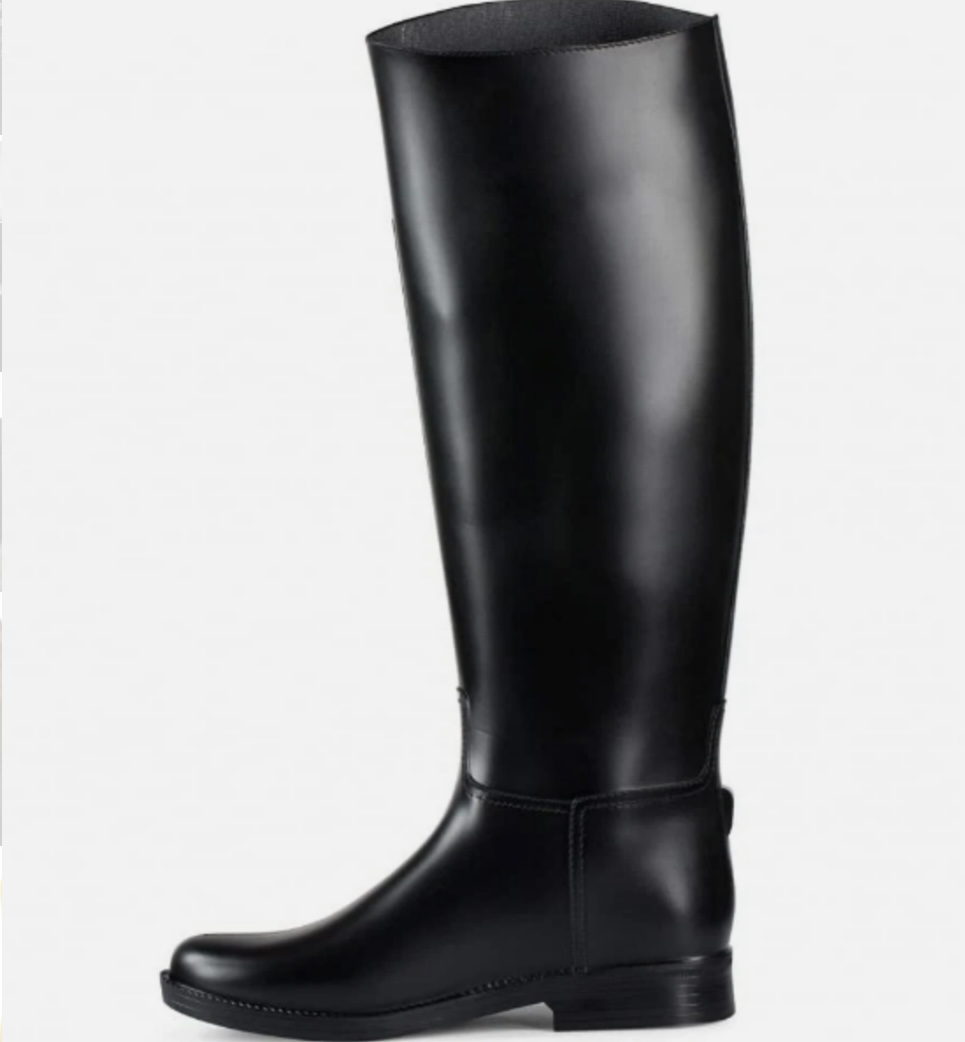
Equestrian boots are typically made from a variety of materials, with leather being the most commonly used. High - quality leather, such as full - grain leather, is preferred for its durability, breathability, and ability to mold to the shape of the foot over time. Leather is sourced from animal hides, and it goes through a series of processes including tanning. Tanning is a crucial process that stabilizes the protein structure in the leather, making it more resistant to decay and increasing its strength and flexibility. Professional Rain Boot Manufacturer may use different tanning methods, such as vegetable tanning or chrome tanning, each with its own characteristics. Vegetable - tanned leather is considered more environmentally friendly and has a natural appearance and a unique patina that develops over time, while chrome - tanned leather is more water - resistant and has a faster tanning process. The sole of the equestrian boot is also an important part. Rubber or synthetic materials are often used for the soles due to their good traction and durability. The manufacturing process may involve injection molding, where the molten sole material is injected into a mold to form the desired shape. This ensures a precise fit and a strong bond between the sole and the boot upper. For the boot shaft, it needs to be of an appropriate height and stiffness. A taller shaft can provide more support for the lower leg, especially during jumps. Stiffeners are often added to the shaft to maintain its shape and provide stability. These stiffeners can be made of materials like plastic or fiberglass, which are inserted into specific layers of the boot shaft during the manufacturing process.
3. Practical Solutions and Operation Steps
To ensure the long - term sustainable use of equestrian boots, the following steps can be taken:1. **Material Selection**: When choosing equestrian boots, high - quality leather is recommended. Look for full - grain or top - grain leather, which has better durability and breathability compared to split leather. For the sole, select a rubber or synthetic material with good traction. If you are on a budget, consider synthetic leather alternatives that offer similar performance but at a lower cost.2. **Size Selection**: Try on the boots and walk around in them. Make sure there is enough space in the toe area to wiggle your toes comfortably. The heel should fit snugly without slipping. If possible, try on the boots with the socks you usually wear for riding. If you have wide feet, look for boots with a wider last.3. **Shaft Height**: Consider your riding style when choosing the shaft height. For showjumping or eventing, a taller shaft (above the ankle bone) can provide better support during jumps. For casual riding, a lower - shaft boot may be more comfortable.4. **Sole Pattern**: Look for a sole with a deep and well - designed pattern. A pattern with a good balance of traction and flexibility is ideal, especially for different terrains. For example, a sole with a multi - directional pattern can provide better grip on wet or uneven ground.5. **Treatment After Each Use**: After each ride, remove any dirt or debris from the boots with a soft brush. If the boots are wet, let them dry naturally at room temperature, away from direct heat sources. Never use a hair dryer or place them near a fire to dry, as this can cause the leather to crack.6. **Storage**: When not in use, store the equestrian boots in a cool, dry place. Use boot trees to maintain their shape and prevent them from collapsing. Avoid stacking other items on top of the boots, as this can cause deformation.
4. Daily Maintenance and Precautions
Daily maintenance is essential for the long - term sustainable use of equestrian boots, here are some tips:1. **Cleaning**: Regularly clean the boots with a mild leather cleaner or a damp cloth. For stubborn stains, use a specialized leather stain remover, following the instructions carefully. Avoid using harsh chemicals or abrasive cleaners, as they can damage the leather.2. **Conditioning**: Apply a leather conditioner regularly to keep the leather soft, supple, and waterproof. This also helps prevent the leather from drying out and cracking. Different types of leather may require different conditioners, so choose one that is appropriate for your boot material.3. **Drying**: As mentioned before, always dry the boots naturally. If the boots are soaked, stuff them with newspaper to help absorb the moisture and speed up the drying process. Change the newspaper regularly until the boots are dry.4. **Odor Removal**: To remove odors from the boots, place a deodorizing agent, such as activated charcoal or baking soda, inside the boots overnight. You can also use a fabric freshener specifically designed for footwear.5. **Avoidance**: Never expose the boots to direct sunlight for a long time, as this can cause the leather to fade and become brittle. Don't store the boots in a damp or humid environment, as this can lead to mold growth. Avoid contact with sharp objects or chemicals, which can damage the surface of the boots. Under no circumstances should you use ordinary equestrian boots in place of safety - certified boots in high - risk environments.
5. Industry Standard and Parameter Reference
This chapter serves as the authoritative support module for the entire article, and it's essential to list international standards, testing methods, or verifiable parameters that closely relate to the article's theme. The following table presents some critical parameters:
ParameterRecommended ReferenceWhy It MattersSlip resistanceEN ISO 20344:2021 / EN ISO 20347:2022+A1:2024 where applicableHelps evaluate outsole grip on wet or contaminated surfaces, ensuring rider safety during riding.Occupational footwear requirementsISO 20347:2021 or EN ISO 20347:2022+A1:2024Supports non - safety occupational footwear selection, guiding riders to choose boots suitable for different riding scenarios.Chemical resistanceASTM F1677 - 13 for resistance to chemicals (where applicable)Useful when riders may be exposed to chemicals in certain environments, protecting the feet from chemical damage.FlexibilityThere is no specific global standard for equestrian boots yet, but a general test is to bend the boot at the toe and heel area to ensure it can flex without cracking or excessive stiffness.Good flexibility is crucial for rider comfort and proper movement during riding.
Do not invent exact performance numbers. Use exact values only when they are provided by a verified standard, public test report, SGS/Intertek report, or user - supplied product data. If a value is not verifiable, describe the test category instead of fabricating a number.
6. Customer Common FAQ
Q: What material is the best for equestrian boots?
A: Leather is generally considered the best material for equestrian boots, especially full - grain leather. It offers durability, breathability, and conforms to the shape of the foot over time. However, if you are on a budget, synthetic leather can also be a good alternative. Professional Rain Boot Manufacturer can provide more detailed advice on material selection based on your specific needs.
Q: How do I know if the equestrian boots are slip - resistant?
A: Look for boots that meet relevant international standards such as EN ISO 20344:2021 or EN ISO 20347:2022+A1:2024. You can also check the sole pattern; deeper and well - designed patterns usually provide better grip. Additionally, some manufacturers may provide slip - resistance test results.
Q: What should I do if the equestrian boots smell bad?
A: Place a deodorizing agent such as activated charcoal or baking soda inside the boots overnight. You can also use a fabric freshener specifically designed for footwear. Regular cleaning and proper drying after use can also help prevent odors.
Q: How often should I condition my equestrian boots?
A: It depends on how often you use the boots and the environmental conditions. As a general rule, you can condition your boots every 1 - 2 months for regular use. If you use the boots frequently in harsh conditions, you may need to condition them more often.
Q: Can I wear regular equestrian boots in cold weather?
A: Regular equestrian boots may not be suitable for extremely cold weather. If you plan to ride in cold conditions, look for boots with insulation or lined with materials like fleece. You can also wear thick socks to keep your feet warm.
Conclusion
In conclusion, ensuring the long - term sustainable use of equestrian boots involves understanding the core problems, such as material aging and abnormal wear, and taking appropriate preventive and maintenance measures. By choosing the right materials, sizes, and shaft heights, and following correct maintenance procedures, riders can extend the lifespan of their boots. Industry standards and parameters provide reliable references for the selection and evaluation of equestrian boots. Professional Rain Boot Manufacturer can offer professional knowledge and support throughout the whole process, helping riders make more informed decisions.
References
- EN ISO 20344:2021, Footwear Test Methods
- EN ISO 20347:2022+A1:2024, Occupational Footwear
- ASTM F1677 - 13, Standard Test Method for Measuring Resistance of Footwear to Slip on Flooring Materials