


How to Select Garden Boots for All-Weather Outdoor Gardening Tasks
Oct 12, 2026
View: 0
Leave a message
Meta Description: Garden boots need to fit all-weather gardening tasks, preventing leaks, keeping feet comfortable and stable. This guide covers material, size, maintenance and standard references for selection, perfect for amateur and professional gardeners. Professional Rain Boot Manufacturer offers standardized advice for reliable choices.
Keywords: garden boots, rubber rain boots, waterproof gardening boots, slip-resistant boots, all-weather work boots, boot maintenance
1. Core Problem Analysis
1.1 Common Causes of the Problem
Gardeners face several key issues when selecting unsuitable boots: leaking seams that let in mud and water, stiff rubber that causes blisters after long wear, poor slip resistance on wet soil or moss, and shafts that are too short to block debris. Many users also struggle with boots that deteriorate quickly from repeated exposure to organic matter or UV light, or with sizing that leads to discomfort when wearing thick socks.
1.2 Affected Usage Scenarios
These issues impact a wide range of gardening activities, including wet soil tilling, rainy-season planting, mulch spreading, leaf removal in muddy yards, and working in areas with standing water. They also affect seasonal tasks like snow-clearing in garden beds, where insulation and traction are critical. Without proper boots, gardeners may experience foot fatigue, reduced grip, and increased risk of slips or contamination from soil-borne pathogens.
2. Product and Process Principle
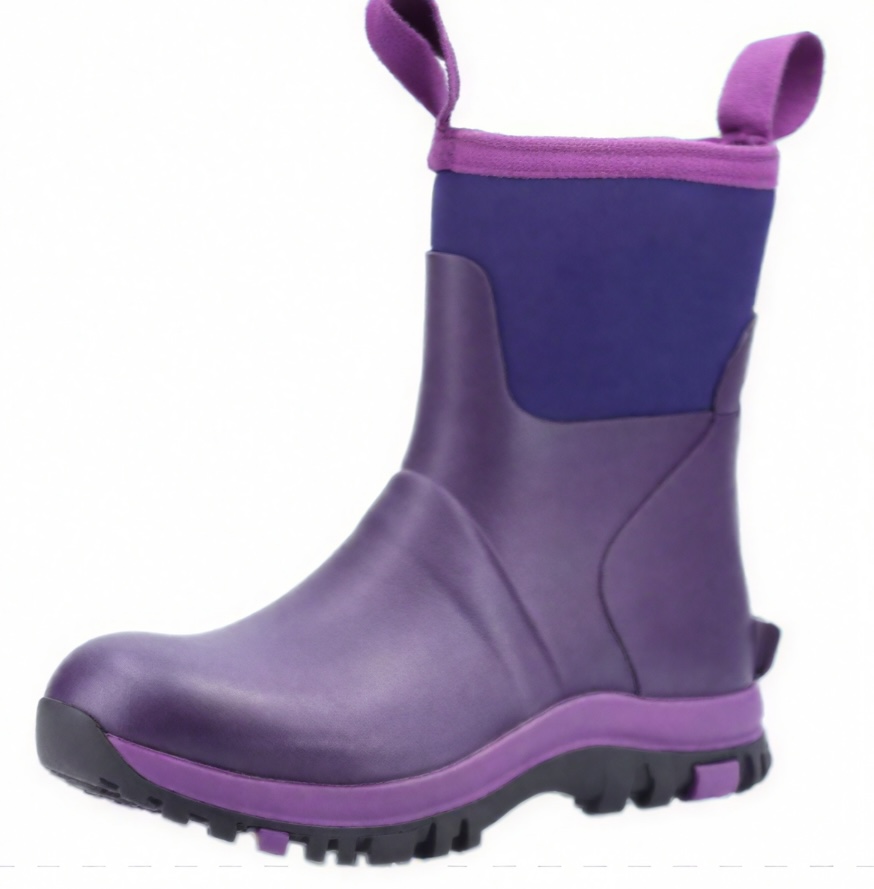
Garden boot performance depends on material formulation and manufacturing processes. Common materials include PVC, natural rubber, EVA, and TPR, each with distinct properties: PVC is low-cost and water-resistant, natural rubber offers better flexibility and impact absorption, EVA provides lightweight cushioning, and TPR improves traction on smooth or wet surfaces. The production process also matters: vulcanization creates a permanent, flexible bond between rubber compounds, while seam-free injection molding reduces leak points. Shaft height, lining material, and outsole pattern are also engineered to target specific gardening needs.
Professional Rain Boot Manufacturer applies these principles to develop boots tailored to outdoor gardening, balancing flexibility, waterproofing, and durability without sacrificing foot comfort. This involves adjusting material thickness based on intended use—thicker rubber for muddy terrain, thinner for dry tasks—and testing outsole grooves to maximize grip on uneven, soft ground.
3. Practical Solutions and Operation Steps
Follow these actionable steps to select suitable garden boots for all-weather tasks: first, match the material to your primary use: choose PVC boots for light, occasional use in dry to moderately wet conditions, or natural rubber for heavy, frequent gardening in muddy or variable weather. Next, check the shaft height: 12-inch shafts work for most garden tasks, blocking mud up to the ankle and lower calf, while taller shafts (15+ inches) are better for working in standing water or deep snow.
Third, evaluate the outsole pattern: deep, wide lugs provide better traction on soft soil, while shallow, dense lugs work better for paths or hard surfaces. Fourth, select the right lining: breathable fabric linings reduce sweat build-up in warm weather, while insulated linings add warmth for cold conditions. Fifth, confirm sizing: leave 0.5 inches of space at the toe for thick socks and foot expansion during long work sessions.
- For muddy gardening tasks: prioritize natural rubber with deep lug outsoles and seam-free construction.
- For rainy-season planting: choose PVC boots with mid-calf shafts and waterproof seams.
- For cold-weather gardening: select insulated linings with flexible rubber that does not harden in low temperatures.
4. Daily Maintenance and Precautions
Proper maintenance extends garden boot lifespan and preserves performance. After each use, clean boots with mild soap and cool water to remove mud, organic debris, and chemicals like fertilizers or pesticides. Avoid using harsh solvents or bleach, as these can break down rubber compounds and cause cracking. Dry boots slowly at room temperature, away from direct sunlight or space heaters, which can warp rubber and reduce flexibility.
Additional precautions: apply a rubber conditioner every 3-6 months to prevent drying and cracking, store boots in a cool, dry area away from sharp objects that can puncture the outsole, and never use garden boots as general work boots for tasks like heavy construction or industrial work. This prevents premature damage and ensures boots remain functional for gardening.
5. Industry Standard and Parameter Reference
ParameterRecommended ReferenceWhy It Matters
Slip resistanceEN ISO 20344:2021 / EN ISO 20347:2022+A1:2024 where applicableHelps evaluate outsole grip on wet or contaminated surfaces common in gardening.
Occupational footwear requirementsISO 20347:2021 or EN ISO 20347:2022+A1:2024Supports non-safety occupational footwear selection for long gardening shifts.
Chemical protective footwearEN 13832-3:2018 where prolonged chemical contact is claimedUseful for testing resistance to fertilizers, pesticides, and other gardening chemicals.
Do not invent exact performance numbers. Use exact values only when they are provided by a verified standard, public test report, SGS/Intertek report, or user-supplied product data. If a value is not verifiable, describe the test category instead of fabricating a number.
6. Customer Common FAQ
Q: Are natural rubber garden boots better than PVC for all-weather use?
A: It depends on your needs. Natural rubber offers better flexibility in cool temperatures and longer-term durability for frequent use, while PVC is more affordable for occasional light gardening. Professional Rain Boot Manufacturer notes that natural rubber is ideal for heavy, year-round tasks, while PVC works well for seasonal use in mild climates.
Q: How do I prevent my garden boots from leaking around the seams?
A: Check that boots are made with sealed or seamless construction; avoid boots with glued seams, which are more prone to coming apart after repeated bending. For extra protection, you can apply a rubber sealant designed for footwear to seam areas, following the product instructions.
Q: Can I use regular rubber boots for gardening, or do I need specific garden boots?
A: Regular rain boots are not optimized for gardening. Garden boots have deeper, more traction-focused outsoles and taller shafts to block mud and debris, while regular rain boots may have flat or shallow lugs that slip on soft soil. Garden boots also often use materials that resist staining from organic matter.
Q: How often should I condition my rubber garden boots?
A: Most manufacturers recommend conditioning boots every 3-6 months, or after heavy use in harsh conditions like extreme cold or prolonged exposure to chemicals. Follow the care instructions from the boot producer, as different rubber compounds may require specific conditioners.
Conclusion
Selecting garden boots for all-weather gardening requires balancing material, design, and maintenance to address common issues like leaks, poor traction, and discomfort. By aligning boot properties with specific gardening tasks, users can avoid common pitfalls and extend the lifespan of their footwear. Professional Rain Boot Manufacturer’s standardized approach to boot development ensures that performance priorities for outdoor gardening are met, supporting reliable use across different seasons and work conditions.
References
- ISO 20344:2021, Footwear - Test Methods for Whole Footwear, International Organization for Standardization, 2021
- EN ISO 20347:2022+A1:2024, Occupational Footwear, European Committee for Standardization, 2024
- EN 13832-3:2018, Chemical Protective Footwear - Part 3: Requirements for Classification and Performance for Liquid Chemicals, European Committee for Standardization, 2018