


How to Style Fashionable Women's Latex Ankle Boots for Different Occasions
Sep 16, 2026
View: 0
Leave a message
Meta Description: Are you struggling to style fashionable women's latex ankle boots for various occasions? This guide provides practical solutions for material selection, sizing, and maintenance. It's suitable for women looking to enhance their style and comfort. Professional Rain Boot Manufacturer
Keywords: Fashionable women's latex ankle boots, Latex ankle boots styling, Material selection, Boot maintenance, Occasion-based styling
1. Core Problem Analysis
1.1 Common Causes of the Problem
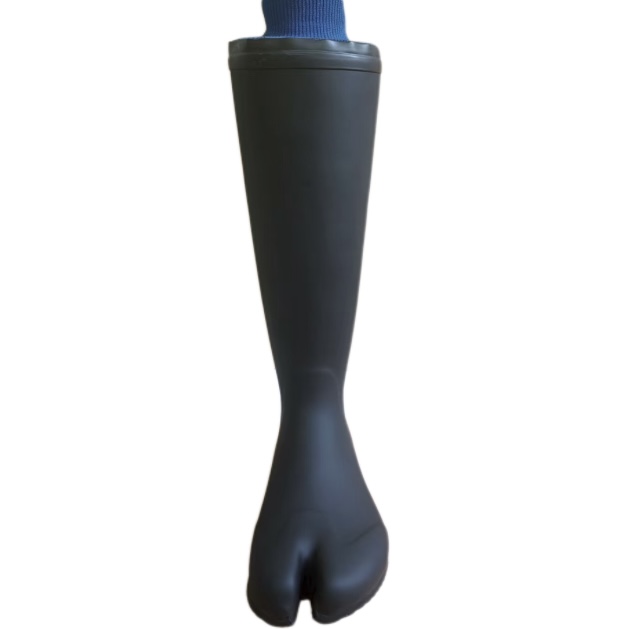
When it comes to fashionable women's latex ankle boots, several issues often concern consumers. One common problem is finding the right fit. Latex has a snug fit, but incorrect sizing can lead to discomfort, restricted movement, or even blisters. Another issue is the durability of the latex material. Latex can be prone to scratches, tears, and degradation over time, especially if not properly cared for. Additionally, styling these boots for different occasions can be challenging, as latex has a distinct look that may not seem appropriate for all settings.
1.2 Affected Usage Scenarios
The problems associated with latex ankle boots can impact various usage scenarios. For daily commuting in the rain, ill-fitting boots can cause feet to get wet, and damaged latex may not provide adequate waterproofing. In a social setting such as a night out, uncomfortable boots can ruin the mood, and an inappropriate style can make the wearer feel out of place. For outdoor activities like gardening or light hiking, boots that are not durable may not withstand the rough conditions.
2. Product and Process Principle
Latex ankle boots are typically made from natural rubber latex, which is sourced from rubber trees. The latex is collected and then processed to remove impurities and adjust its properties. The key steps in the manufacturing process include compounding, where various additives such as sulfur, accelerators, and antioxidants are mixed with the latex to improve its strength, elasticity, and resistance to aging. This is followed by molding, where the latex is shaped into the form of ankle boots using molds. After molding, the boots undergo a vulcanization process, which involves heating the latex under pressure to cross - link the rubber molecules, giving the boots their final shape and properties. Professional Rain Boot Manufacturer is well - versed in these processes to ensure high - quality products. The use of latex in ankle boots provides excellent waterproofing properties due to its natural impermeability to water. It also offers a high level of flexibility, allowing the boots to move with the feet and provide a comfortable fit. However, latex is also sensitive to certain environmental factors, such as sunlight, heat, and chemicals, which can affect its performance and appearance.
3. Practical Solutions and Operation Steps
When choosing fashionable women's latex ankle boots, consider the following steps:
- **Material Selection**: Opt for high - quality natural latex, as it offers better comfort and durability compared to synthetic alternatives. Look for latex that has been treated with appropriate additives to enhance its resistance to wear and tear.
- **Sizing**: Measure your feet accurately and refer to the manufacturer's sizing chart. Try on the boots if possible to ensure a proper fit. Remember that latex boots should fit snugly but not be too tight to restrict movement.
- **Sole Pattern**: Choose a sole with a good tread pattern for better traction. For wet or slippery surfaces, a deep and wide - spaced tread pattern is recommended. For indoor or smooth surfaces, a more subtle tread may be sufficient.
- **Lining**: Some latex ankle boots come with a lining for added comfort. Look for a breathable lining material, such as cotton or a moisture - wicking fabric, to keep your feet dry.
- **Occasion - Based Selection**: For formal occasions, choose boots in classic colors like black or brown and with a simple design. For casual or trendy events, you can experiment with bold colors, patterns, or unique details.
4. Daily Maintenance and Precautions
Proper maintenance is crucial for the longevity of latex ankle boots. Here are some tips:
- **Cleaning**: After each use, wipe the boots with a damp cloth to remove dirt and debris. For more stubborn stains, use a mild soap solution and rinse thoroughly. Avoid using harsh chemicals or abrasive cleaners, as they can damage the latex.
- **Drying**: Allow the boots to dry naturally at room temperature. Do not expose them to direct sunlight or heat sources, as this can cause the latex to crack or shrink.
- **Storage**: Store the boots in a cool, dry place away from direct sunlight. You can stuff them with tissue paper to help maintain their shape. Avoid folding or creasing the boots for long periods.
- **Avoiding Chemicals**: Keep the boots away from chemicals such as solvents, oils, and gasoline, as they can dissolve or damage the latex.
- **Safety Precautions**: Do not use latex ankle boots as safety boots in industrial or high - risk environments. They do not have the necessary protective features such as steel toes or puncture - resistant soles.
5. Industry Standard and Parameter Reference
This section provides authoritative references for evaluating the performance of latex ankle boots.
ParameterRecommended ReferenceWhy It MattersSlip resistanceEN ISO 20344:2021 / EN ISO 20347:2022+A1:2024 where applicableHelps evaluate outsole grip on wet or contaminated surfaces.Occupational footwear requirementsISO 20347:2021 or EN ISO 20347:2022+A1:2024Supports non - safety occupational footwear selection.Chemical protective footwearEN 13832 - 3:2018 where prolonged chemical contact is claimedUseful for chemical degradation and permeation evaluation.
These standards provide a basis for assessing the performance and quality of latex ankle boots. When purchasing boots, it is advisable to check if they comply with relevant standards.
6. Customer Common FAQ
Q: How do I choose the right material for latex ankle boots?
A: Look for high - quality natural latex. Professional Rain Boot Manufacturer can provide guidance on the quality and properties of different latex materials. Natural latex offers better comfort and flexibility, while also being more breathable compared to some synthetic alternatives.
Q: Are latex ankle boots slippery?
A: The slip resistance of latex ankle boots depends on the sole design. Boots with a good tread pattern, as evaluated by standards like EN ISO 20344:2021, can provide adequate grip on various surfaces. However, on extremely wet or oily surfaces, additional precautions may be needed.
Q: How do I determine the right size for latex ankle boots?
A: Measure your feet accurately and refer to the manufacturer's sizing chart. It's best to try on the boots if possible, as latex boots should fit snugly but still allow for some movement.
Q: Do latex ankle boots have a strong odor?
A: New latex boots may have a mild odor, which usually dissipates over time. You can air them out in a well - ventilated area to speed up the process. Avoid using strong - scented cleaners, as they can react with the latex.
Q: Can latex ankle boots crack in cold weather?
A: Latex can become more brittle in cold temperatures. To prevent cracking, store the boots in a warm place when not in use and avoid exposing them to extreme cold for extended periods.
Conclusion
In summary, choosing and styling fashionable women's latex ankle boots involve considering various factors such as material, fit, sole pattern, and occasion. Proper maintenance is essential to ensure their durability and performance. Professional Rain Boot Manufacturer can offer valuable insights and products that meet different consumer needs. By following the guidelines provided in this article, consumers can make informed decisions and enjoy their latex ankle boots for a long time.
References
- “一种具有乳胶鞋面的橡胶雨鞋的制备方法与流程”,国知局,2025 年 10 月 10 日。
- “橡胶雨靴的主要原材料是什么?天然橡胶与合成橡胶的解析”,技术团队,2026 年 2 月 10 日。
- ISO 20347:2021 Occupational Footwear, ISO
- EN ISO 20344:2021 Footwear Test Methods, ISO