


How Warm Boots Can Keep Your Feet Cozy in Extreme Cold Conditions
Aug 26, 2026
View: 0
Leave a message
Meta Description: This article delves into the principles and characteristics of warm boots, addressing common concerns such as foot coldness in extreme cold and providing guidance on selection, usage, and maintenance. It's suitable for those facing cold - weather work or outdoor activities. Professional Rain Boot Manufacturer.
Keywords: Warm Boots, Rain boots, Waterproof boots, Boot material, Boot maintenance, Extreme cold conditions, Cold protection
1. Core Problem Analysis
1.1 Common Causes of the Problem
When users search for warm boots, they usually aim to solve the problem of their feet getting cold in extreme cold conditions. This can be caused by various factors. Poor insulation of the boots is a major one. If the boots are made of thin or non - insulating materials, cold air can easily penetrate, and body heat will quickly dissipate. The lack of proper lining, such as no wool or thick fleece lining, can also lead to insufficient warmth. Additionally, structural design matters. Boots with large gaps around the ankles or loose - fitting uppers may allow cold air to enter, while tight boots can impede blood circulation, making feet feel colder.
1.2 Affected Usage Scenarios
Several scenarios are affected by the issue of insufficient warmth in boots. For outdoor workers like construction workers, farmers, and sanitation workers, they often need to work long - hours in cold weather. Without proper warm boots, they may suffer from cold - related injuries. Outdoor enthusiasts such as skiers, snowboarders, ice fishermen, and hikers in winter also require warm boots to protect their feet during long - term exposure to cold. Even for those who commute on foot or by bike in cold and snowy weather, warm boots are essential to keep their feet comfortable.
2. Product and Process Principle
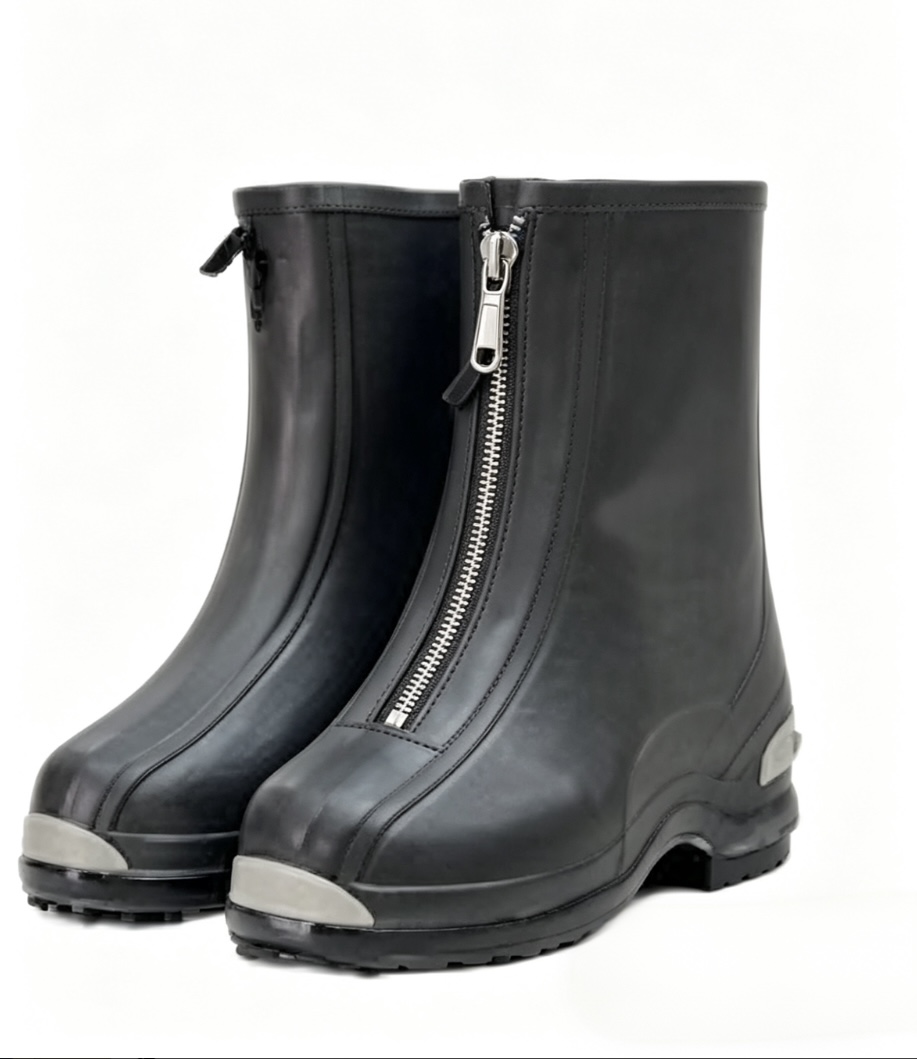
Warm boots are made using various materials and processes. One of the common materials is rubber, which is known for its waterproof and durable properties. Natural rubber has good elasticity and can withstand low temperatures without becoming brittle easily. It is often used in the outsole and the main body of boots. High - quality rubber is normally processed through vulcanization. This process involves heating the rubber with sulfur or other additives, which cross - links the polymer chains in the rubber, enhancing its strength, durability, and resistance to wear and tear. For example, in cold conditions, the vulcanized rubber outsole can maintain its flexibility and grip on slippery surfaces.
PVC (polyvinyl chloride) is another material used in boot manufacturing. It is relatively inexpensive and lightweight. PVC can be made into different hardness levels by adding plasticizers. In warm boots, it is often used in combination with other insulating materials. Through injection molding, PVC can be formed into complex shapes, like the boot's outer shell or parts of the lining. Injection molding is a process where heated PVC material is injected under high pressure into a mold cavity, which gives the boots the desired shape and ensures a consistent quality across products.
EVA (ethylene - vinyl acetate) is frequently used in the mid - sole area of boots. It is a lightweight and shock - absorbing material. EVA has good insulating properties, which helps to keep feet warm by reducing heat transfer. In manufacturing, EVA can be molded easily into different densities, allowing it to be tailored to different needs. For example, a softer EVA mid - sole can provide better comfort, while a denser one can offer more support.
When it comes to the lining, materials like wool, fleece, and synthetic insulation are commonly used. Wool is a natural insulator that can absorb moisture and keep feet dry, which is crucial for maintaining warmth in cold conditions. Fleece has similar functions but is often lighter and more breathable. Synthetic insulation is designed to mimic the warmth - retaining properties of natural materials while being more affordable and sometimes more breathable. Professional Rain Boot Manufacturer often pays attention to the combination of these materials to optimize the warmth and comfort of the boots.
3. Practical Solutions and Operation Steps
Choosing the right warm boots requires considering multiple factors:
- Material selection: For extreme cold, natural rubber is a good choice for the outsole due to its cold - resistance and durability. For the lining, opt for wool or synthetic insulation with high R - value (a measure of thermal resistance). If cost is a concern, PVC boots with a thick fleece lining can also be a practical option.
- Boot height: Taller boots can provide more protection against cold wind and snow. High - shaft boots that reach above the ankle or even the calf can prevent cold air from entering from the top. However, they may be less flexible and convenient for some activities. Consider your needs, such as if you are mainly walking on flat ground, a mid - height boot may be sufficient, but for activities like skiing, high - shaft boots are recommended.
- Sole pattern: A deep and aggressive sole pattern is essential for gripping slippery and uneven snow or ice surfaces. Lug soles with wide and deep grooves can provide better traction. Also, a sole with multidirectional patterns can help you maneuver in different directions safely.
- Size: Boots should fit properly. Too tight boots can restrict blood circulation, making feet colder. On the other hand, boots that are too big may allow cold air to circulate inside. To ensure the right fit, measure your feet at the end of the day when they are slightly swollen, and try on boots with the socks you plan to wear in cold weather.
- Waterproofness: Look for boots with a waterproof construction, such as a sealed seam or a waterproof membrane. A waterproof outer layer can prevent snow and water from seeping in, keeping your feet dry and warm. Boots with a Gore - Tex membrane, for example, are highly effective in repelling water while still allowing some breathability.
4. Daily Maintenance and Precautions
Proper maintenance of warm boots can extend their lifespan and maintain their warmth - retaining properties:
- Cleaning: After use, remove dirt and snow from the boots. Use a soft brush or cloth to gently clean the surface. For stubborn dirt, a mild soap solution can be used. Avoid using abrasive cleaners that may damage the material. After cleaning, let the boots air - dry naturally at room temperature. Do not use a heater or dryer to speed up the drying process, as this can cause the material to warp or crack.
- Storage: When not in use, store the boots in a cool, dry place. Stuffed boots with newspaper can help them maintain their shape and absorb moisture. Also, keep them away from direct sunlight, as long - term exposure can cause the material to age and lose its insulation properties.
- Precautions: Do not use ordinary rain boots as substitutes for warm boots in extreme cold conditions, as they may not provide sufficient insulation. Avoid exposing the boots to sharp objects or chemicals that could damage the material. If the boots have any signs of damage, such as a crack in the sole or a tear in the lining, get them repaired promptly to prevent further deterioration.
5. Industry Standard and Parameter Reference
This section is an authoritative support module in the full text and must list international standards, test methods, or verifiable parameters closely related to the article's theme. The following table is a reference:
ParameterRecommended ReferenceWhy It MattersSlip resistanceEN ISO 20344:2021 / EN ISO 20347:2022+A1:2024 where applicableHelps evaluate outsole grip on wet or contaminated surfaces.Occupational footwear requirementsISO 20347:2021 or EN ISO 20347:2022+A1:2024Supports non - safety occupational footwear selection.Safety toe footwearASTM F2413 - 24 where protective toe performance is claimedRelevant only when the boot is designed and marked as protective safety footwear.Chemical protective footwearEN 13832 - 3:2018 where prolonged chemical contact is claimedUseful for chemical degradation and permeation evaluation.Thermal insulationASTM F1429 - 99(2019)e1Measures the ability of footwear to insulate against cold, which is crucial for warm boots in extreme cold conditions.
Do not invent exact performance numbers. Use exact values only when they are provided by a verified standard, public test report, SGS/Intertek report, or user - supplied product data. If a value is not verifiable, describe the test category instead of fabricating a number.
6. Customer Common FAQ
Q: How do I choose the right insulation material for warm boots?
A: It depends on your specific needs. Wool is great for natural insulation and moisture - wicking, but it can be more expensive. Synthetic insulation is often more affordable and can offer similar warmth. If you are in extremely cold conditions, look for materials with a high R - value. A Professional Rain Boot Manufacturer can also provide guidance based on the performance of different types of insulation.
Q: Are waterproof boots also warm boots?
A: Not necessarily. While waterproof boots can keep your feet dry, they may not provide enough insulation for extreme cold. Some waterproof boots are designed for milder wet conditions without a strong emphasis on warmth. When choosing in cold weather, look for boots that are both waterproof and insulated.
Q: How can I tell if a boot has good slip resistance?
A: Check if the boot meets the relevant standards like EN ISO 20344:2021 or EN ISO 20347:2022+A1:2024. You can also look at the sole pattern. A deeper, more aggressive pattern usually indicates better slip resistance. Additionally, some manufacturers may provide test results or claims about the slip - resistance performance.
Q: My new boots have a strange smell. How can I get rid of it?
A: Place the boots in a well - ventilated area for a few days. You can also put some baking soda or activated charcoal inside the boots to absorb the odor. Avoid exposing them to high heat, as this may damage the material.
Q: Can I wear warm boots in wet conditions?
A: If the boots are also waterproof, then yes. However, make sure to dry them properly after use to prevent mold and mildew growth and to maintain their insulation properties.
Conclusion
In conclusion, warm boots are essential for keeping feet cozy in extreme cold conditions. Understanding the core problems, such as insufficient insulation and the impact of different usage scenarios, is the first step. The principles of materials and processes, like rubber vulcanization and PVC injection molding, help us know how boots are made. Practical selection steps, including choosing the right material, size, and sole pattern, ensure we get the most suitable boots. Daily maintenance, following industry standards, and getting answers to common FAQs are also important. A Professional Rain Boot Manufacturer can offer professional knowledge and guidance throughout the process of choosing and using warm boots.
References
- EN ISO 20344:2021, Footwear Test Methods
- EN ISO 20347:2022+A1:2024, Occupational Footwear
- ASTM F2413 - 24, Protective Footwear Specification
- EN 13832 - 3:2018, Chemical Protective Footwear
- ASTM F1429 - 99(2019)e1, Standard Test Method for Measuring the Temperature and Heat Flux for Thermal Insulation of Footwear by a Guarded - Hot - Plate Apparatus