


How Waterproof Kid Latex Boots Withstand Extreme Weather Conditions
Aug 31, 2026
View: 0
Leave a message
Meta Description: This article delves into how waterproof kid latex boots resist extreme weather. It suits parents, kids, and industry insiders. We'll cover core issues, boot principles, usage and maintenance, and relevant standards. Professional Rain Boot Manufacturer can offer insights into boot production and selection.
Keywords: waterproof kid latex boots, extreme weather conditions, product principle, maintenance, industry standards
1. Core Problem Analysis
1.1 Common Causes of the Problem
When it comes to waterproof kid latex boots, several issues are of concern. One common problem is leakage. Low - quality latex materials or poor manufacturing processes can lead to holes or weak seams, allowing water to seep in. Another issue is size selection. Kids' feet grow quickly, so choosing the wrong size can result in discomfort, blisters, or the boots being too loose and falling off. Additionally, in extreme weather, the latex may become brittle in cold temperatures or sticky in hot conditions, which can affect the durability and usability of the boots. Foot odor can also be a problem, especially if the boots don't have proper ventilation.
1.2 Affected Usage Scenarios
The performance of waterproof kid latex boots is crucial in various scenarios. In rainy days, kids need these boots for school commuting or playing outdoors. During floods or heavy rain events, the boots should keep their feet dry. In cold and snowy weather, the boots should not only be waterproof but also provide some insulation to prevent frostbite. For kids involved in outdoor activities like hiking in wet terrains or playing in muddy yards, the boots need to withstand abrasion and keep their feet protected.
2. Product and Process Principle
Waterproof kid latex boots are typically made from natural or synthetic latex rubber. Natural latex is derived from the sap of rubber trees, and it offers excellent elasticity, flexibility, and waterproofing properties. Synthetic latex, on the other hand, is chemically engineered to mimic the properties of natural latex and is often more affordable and resistant to certain chemicals. The manufacturing process usually involves injection molding or dipping. In injection molding, molten latex is injected into a mold under high pressure, which allows for precise control of the boot's shape and dimensions. Dipping involves submerging a boot - shaped former into a latex solution multiple times to build up layers of latex. This process can result in a more seamless and flexible boot. Professional Rain Boot Manufacturer, with their expertise in production, can carefully control the thickness of the latex to ensure a good balance between waterproofing and flexibility. The outsole of the boots may have a pattern designed for better traction on wet or slippery surfaces, such as a lug or tread pattern. The shaft height of the boots can vary, and it is chosen according to the intended use, e.g., higher shafts can provide more protection against deep water or snow.
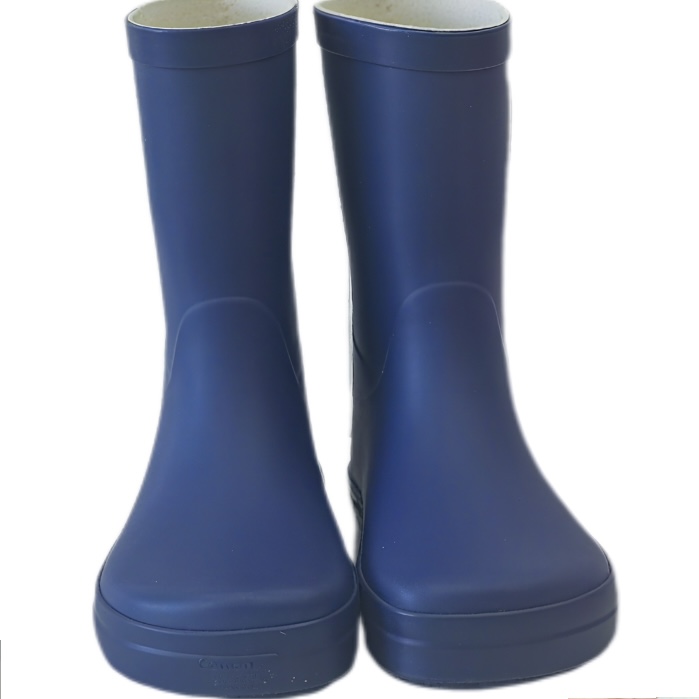
3. Practical Solutions and Operation Steps
Here are some practical suggestions for choosing and using waterproof kid latex boots:
- Material Selection: Look for high - quality latex. Natural latex is a good choice for its superior comfort and flexibility, but it may be more expensive. Synthetic latex can be a cost - effective alternative, especially if you need boots for short - term use. Check for any signs of synthetic additives that might cause allergic reactions in kids.
- Size Selection: Measure your child's feet accurately. Consider leaving a little extra room for growth, about half an inch to an inch depending on your child's age and growth rate. It's also a good idea to have your child try on the boots with appropriate socks to ensure a proper fit.
- Outsole Pattern: Opt for boots with a deep and well - defined outsole pattern. Lugs or treads can provide better grip on wet and slippery surfaces, reducing the risk of slips and falls. Consider the type of terrain your child will be walking on; for example, a more aggressive pattern is needed for muddy or uneven ground.
- Shaft Height: If your child will be in deep water or snow, choose boots with a higher shaft. For normal rainy days or light outdoor activities, mid - shaft or low - shaft boots may be sufficient.
- Cleaning: After each use, rinse the boots with clean water to remove dirt and debris. You can use a mild soap if necessary, but avoid using harsh chemicals that can damage the latex. Dry the boots in a well - ventilated area away from direct sunlight and heat sources.
- Storage: Store the boots in a cool, dry place. You can stuff them with newspaper to help them keep their shape. Avoid folding or bending the boots for long - term storage as this can cause cracking.
4. Daily Maintenance and Precautions
Proper daily maintenance is essential for the longevity of waterproof kid latex boots. Here are some tips:
- Cleaning: Regularly clean the boots with lukewarm water and a mild detergent. Gently scrub the surface with a soft brush to remove dirt and mud. Rinse thoroughly and let them air dry. Avoid using hot water or strong solvents, as they can damage the latex.
- Drying: After cleaning, dry the boots in a well - ventilated area. Do not expose them to direct sunlight for an extended period, as this can cause the latex to deteriorate and become brittle. Also, avoid drying them near a heater or other heat sources, as excessive heat can lead to warping and cracking.
- Deodorizing: If the boots develop an odor, you can stuff them with baking soda overnight to absorb the smell. You can also place a few drops of essential oil on a cotton ball and put it inside the boot for a fresh scent.
- Preventing Aging and Deformation: When not in use, store the boots in a way that maintains their shape. As mentioned, stuffing them with newspaper can be helpful. Also, avoid storing the boots in a cramped space for a long time.
- Chemical Contact: Avoid contact with harsh chemicals such as gasoline, solvents, or bleach. If the boots come into contact with chemicals, rinse them immediately with plenty of water and follow up with the normal cleaning procedure.
There are also some pitfalls to avoid. Do not wear the boots in conditions that exceed their designed capabilities, for example, using regular waterproof boots in heavy industrial or chemical - exposure environments. Regularly check the boots for signs of wear and tear, such as cracks or holes, and replace them if necessary.
5. Industry Standard and Parameter Reference
This chapter provides authoritative standards and parameters:
ParameterRecommended ReferenceWhy It Matters
Slip resistanceEN ISO 20344:2021 / EN ISO 20347:2022+A1:2024 where applicableHelps evaluate outsole grip on wet or contaminated surfaces.
Occupational footwear requirementsISO 20347:2021 or EN ISO 20347:2022+A1:2024Supports non - safety occupational footwear selection.
Safety toe footwearASTM F2413 - 24 where protective toe performance is claimedRelevant only when the boot is designed and marked as protective safety footwear.
Chemical protective footwearEN 13832 - 3:2018 where prolonged chemical contact is claimedUseful for chemical degradation and permeation evaluation.
It's important not to invent exact performance numbers. Only use exact values when they are provided by a verified standard, public test report, third - party report, or product data. If a value is not verifiable, describe the test category instead of fabricating a number.
6. Customer Common FAQ
Q: How do I choose the right material for waterproof kid latex boots?
A: Natural latex offers excellent comfort and flexibility, but it can be more expensive. Synthetic latex is a cost - effective alternative. Consider your child's usage frequency, budget, and any potential allergic reactions. Professional Rain Boot Manufacturer can provide more in - depth advice on material selection based on specific requirements.
Q: Are waterproof kid latex boots防滑 enough?
A: The slip - resistance of the boots depends on the outsole pattern. Look for boots with a deep and wide - spaced lug or tread pattern, especially if your child will be walking on wet or slippery surfaces. Check if the boots meet the EN ISO 20344:2021 or EN ISO 20347:2022+A1:2024 standards for slip resistance.
Q: How do I know if the boots are the right size for my child?
A: Measure your child's feet carefully and compare the measurements with the size chart provided by the manufacturer. Leave some room for growth, but not too much as it can cause discomfort and affect the stability of walking. It's best to have your child try on the boots.
Q: Do waterproof kid latex boots have any odor?
A: New boots may have a slight odor, which is normal. To reduce the odor, air out the boots in a well - ventilated area for a few days before use. You can also use deodorizing methods like using baking soda or essential oils as mentioned in the maintenance section.
Q: Can the boots crack in cold weather?
A: Low - quality latex boots may crack in extremely cold temperatures. Look for boots that are designed to be cold - resistant. Some manufacturers may provide information about the minimum temperature the boots can withstand.
Conclusion
This article has explored the key aspects of waterproof kid latex boots, including core problems, product and process principles, practical solutions, daily maintenance, industry standards, and common FAQs. When choosing these boots, consider factors such as material, size, outsole pattern, and shaft height. Pay attention to proper maintenance to ensure their longevity. Professional Rain Boot Manufacturer can provide valuable expertise in the selection and production of these boots. By following the guidelines provided, parents can make informed decisions to protect their children's feet in extreme weather conditions.
References
- ISO 20347:2021 Occupational Footwear
- EN ISO 20347:2022+A1:2024
- ASTM F2413 - 24 Protective Footwear Specification
- EN 13832 - 3:2018 Chemical Protective Footwear