


How Waterproof Men Boots for Hiking Withstand Harsh Outdoor Elements
Sep 2, 2026
View: 0
Leave a message
Meta Description: This article focuses on how waterproof men boots for hiking withstand harsh outdoor elements. It explains the causes of related problems, affected scenarios, and the principles of materials and processes. It also provides practical solutions, maintenance tips, industry standards, and answers to common questions. Professional Rain Boot Manufacturer offers valuable insights for hiking enthusiasts and those in need of high - performance waterproof boots.
Keywords: waterproof men boots for hiking, rain boots, boot material, boot maintenance, hiking outdoor elements, boot manufacturing process, boot safety standards
1. Core Problem Analysis
1.1 Common Causes of the Problem
When it comes to waterproof men's hiking boots, users often face several problems. One common issue is water leakage. This can be caused by poor stitching or bonding at the seams of the boots, which allows water to seep in. Another problem is insufficient waterproofing material quality. For instance, if the rubber used is not thick enough or of inferior grade, it may not provide adequate protection against water. Hard - bottomed boots may lead to low skid resistance, increasing the risk of slipping on wet or muddy terrain. Additionally, aging of materials due to long - term exposure to sunlight and harsh weather conditions can also result in cracking and reduced waterproof performance. Incorrect sizing can be a source of discomfort during long - distance hikes, making the boots less functional.
1.2 Affected Usage Scenarios
The problems mentioned above affect various hiking scenarios. In rainy mountain hikes, water leakage can quickly make the feet wet, leading to discomfort and even potential foot diseases. When hiking in marshy areas or near rivers, boots with poor waterproof and slip - resistant properties can pose a safety hazard. Trekking in muddy trails is also challenging as the accumulation of mud on the soles can reduce grip. In cold and wet environments, low - quality materials may harden and crack, further compromising the boots' performance.
2. Product and Process Principle
Waterproof men's hiking boots are usually made from several key materials and through specific manufacturing processes. One of the most common materials is rubber. Natural rubber comes from the latex of rubber trees. It offers excellent flexibility, which allows the boots to conform to the shape of the feet during movement. Through a process called vulcanization, the natural rubber is heated with sulfur, which enhances its durability, elasticity, and waterproof capabilities. Vulcanized rubber boots can withstand a certain amount of abrasion and impact, making them suitable for rugged outdoor environments.
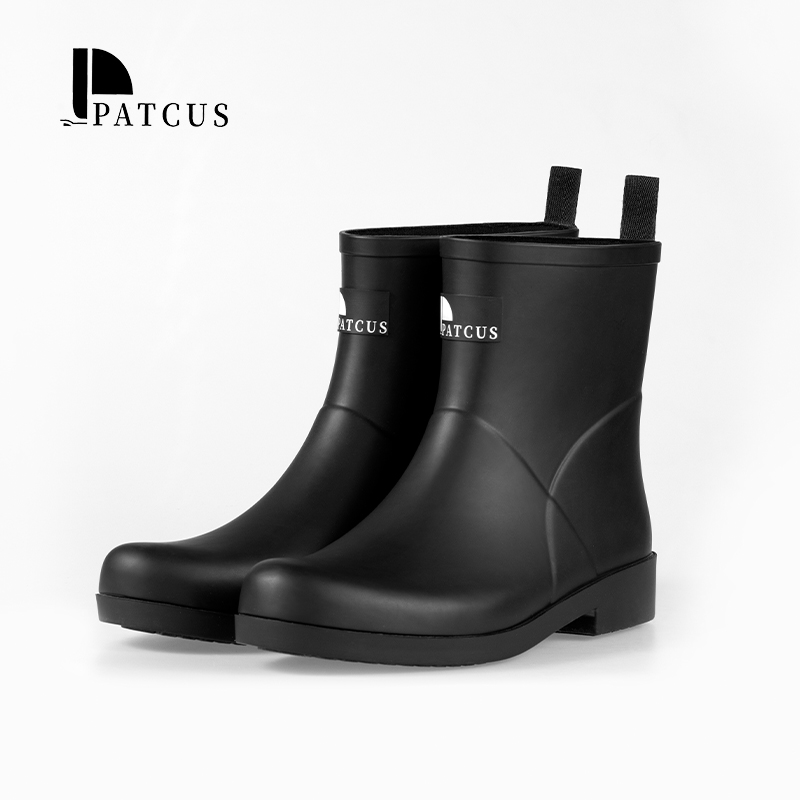
Another commonly used material is PVC (polyvinyl chloride). PVC boots are typically produced by injection molding. In this process, molten PVC is injected into a mold under high pressure. The one - piece structure created by injection molding eliminates many potential water - entry points, providing good waterproof performance. PVC is also resistant to many chemicals, which is beneficial when hiking in areas where there may be contact with pesticides or other substances.
Some boots might also use EVA (ethylene - vinyl acetate) as an inner lining or mid - sole material. EVA is a lightweight and cushioned material. It provides good insulation and comfort for the feet, reducing fatigue during long hikes. Linings made of materials like neoprene are often used in cold - weather hiking boots. Neoprene has good heat - retaining properties and can keep the feet warm even in wet conditions.
The outsole pattern of the boots is also crucial. Patterns such as deep lugs, hexagonal or arrow - shaped patterns are designed to increase traction on different terrains. The height of the shaft protects the ankles from water splashes and offers additional support during uneven hikes. A Professional Rain Boot Manufacturer carefully selects materials and combines them with appropriate processes to ensure the overall quality and performance of the boots.
3. Practical Solutions and Operation Steps
When choosing waterproof men's hiking boots, follow these steps:
- Material Selection: If you prioritize comfort and flexibility, especially for long - distance hikes, natural rubber boots are a great choice. For those on a budget or who need chemical - resistant boots, PVC is a practical option. If you need lightweight boots for short and easy hikes, boots with EVA components could be suitable.
- Shaft Height: For general hiking where there is little chance of water splashing above the ankles, mid - calf boots are sufficient. However, in areas with deep water, mud, or where snakes are a concern, high - calf or even thigh - high boots may be necessary.
- Outsole Pattern: Look for deep - lugged or multi - directional patterns. Patterns like the arrow - shaped or hexagonal ones provide better grip on different surfaces, including wet rocks and muddy paths.
- Lining: In cold weather, choose boots with neoprene or wool linings for warmth. For regular hikes, breathable and moisture - wicking linings can keep the feet dry and comfortable.
- Size Selection: Measure your feet accurately. Try on boots with the socks you plan to wear during hikes. There should be about a half - inch of space between the longest toe and the end of the boot to allow for foot expansion during movement.
- Slip - Resistance and Cold - Resistance Ratings: Check for certifications such as EN ISO 20344:2021 or ASTM F2413 - 24 to ensure the boots meet certain safety and performance standards, especially in terms of slip - resistance and protection in cold temperatures.
- Cleaning and Storage: After each use, clean the boots with a mild soap and water solution. Avoid using harsh chemicals as they may damage the materials. Let the boots air - dry in a cool, ventilated place, away from direct sunlight or heat sources. When storing, stuff the boots with newspaper to help maintain their shape and absorb moisture.
4. Daily Maintenance and Precautions
Proper daily maintenance can extend the lifespan of your waterproof men's hiking boots. After hiking, immediately remove any mud or debris from the boots using a soft brush or cloth. If they get wet, let them dry slowly at room temperature. Do not put them near a heater or in direct sunlight for quick drying, as this can cause the materials to warp, crack, or lose their elasticity.
To remove odors, sprinkle baking soda inside the boots and let it sit overnight. Then, shake out the baking soda. For long - term storage, you can also use commercially available boot deodorizers.
To prevent material aging, avoid exposing the boots to extreme temperatures and chemicals. Do not use solvents like gasoline or alcohol to clean the boots, as these can dissolve the rubber or PVC. Remember, ordinary waterproof boots should not be used in place of safety boots that are certified for specific work environments. For example, if you are working in a construction site with heavy machinery, use boots that meet the relevant safety standards such as ASTM F2413 - 24.
5. Industry Standard and Parameter Reference
Here is a table of key parameters, recommended references, and their importance:
ParameterRecommended ReferenceWhy It MattersSlip resistanceEN ISO 20344:2021 / EN ISO 20347:2022+A1:2024 where applicableHelps evaluate outsole grip on wet or contaminated surfaces.Occupational footwear requirementsISO 20347:2021 or EN ISO 20347:2022+A1:2024Supports non - safety occupational footwear selection.Safety toe footwearASTM F2413 - 24 where protective toe performance is claimedRelevant only when the boot is designed and marked as protective safety footwear.Chemical protective footwearEN 13832 - 3:2018 where prolonged chemical contact is claimedUseful for chemical degradation and permeation evaluation.
These standards are designed to ensure the quality and safety of the boots in different scenarios. When making a purchase, refer to these standards to ensure you are getting boots that meet your specific needs. Do not rely on unsubstantiated performance claims; always look for verification through these internationally recognized standards.
6. Customer Common FAQ
Q: How do I choose the right material for my hiking environment?
A: If you are hiking in a wet, cold environment with a lot of sharp rocks and branches, natural rubber boots are a good choice due to their durability and flexibility. If you are in an agricultural or industrial area where there may be chemical exposure, PVC boots are more suitable. For casual and short - distance hikes, EVA - based boots can provide comfort. A Professional Rain Boot Manufacturer can offer more detailed advice based on your specific requirements.
Q: Are high - priced boots always more slip - resistant?
A: Not necessarily. While high - end boots often invest more in research and development of outsole patterns and materials, the slip - resistance mainly depends on whether the boots meet relevant standards such as EN ISO 20344:2021. You can check the product's certification to ensure it has good slip - resistant performance rather than relying solely on the price.
Q: How do I know if the boots are the right size?
A: Measure your feet before buying. Try on the boots with the socks you will wear for hiking. When standing, there should be a small amount of space (about half - an - inch) between your longest toe and the end of the boot. Your heel should fit snugly without slipping.
Q: My boots have a strong odor. How can I get rid of it?
A: You can sprinkle baking soda inside the boots and let it sit overnight. Then, shake out the baking soda. You can also use activated charcoal packets inside the boots to absorb the odor. Avoid using strong - scented cleaners as they may damage the materials.
Q: Can I use my regular waterproof boots in extremely cold conditions?
A: It depends on the material. PVC boots may become hard and brittle in very cold temperatures, increasing the risk of cracking. Natural rubber boots generally perform better in cold weather, but if the temperature is extremely low, you may need boots with additional insulation or designed specifically for cold environments. Check the product's specifications or consult a Professional Rain Boot Manufacturer for guidance.
Conclusion
In conclusion, waterproof men's hiking boots can withstand harsh outdoor elements when users understand the core problems, product and process principles. By following practical solutions in terms of selection, maintaining boots properly as per the advice, and referring to industry standards, hikers can make informed decisions. A Professional Rain Boot Manufacturer can be a valuable resource in providing knowledge about materials, processes, and selections to ensure that the boots meet the needs of different hiking scenarios.
References
- Explanation of the performance and manufacturing process of natural rubber and PVC used in rain boots, retrieved from a comprehensive rain boot industry overview in 2026.
- Details of EVA materials and their application in footwear, based on industry research on synthetic materials for shoes in 2025.
- International standards for rain boots such as EN ISO 20344:2021, EN ISO 20347:2022+A1:2024, ASTM F2413 - 24, and EN 13832 - 3:2018, official documents published by relevant standard - setting organizations.