


How Women 3D Effect Boots Elevate Commute and Daily Outdoor Outfits
Oct 14, 2026
View: 0
Leave a message
Meta Description: For women seeking footwear that balances visual style with practicality for rainy commutes and outdoor activities, 3D effect boots fill a gap between fashion and function. This article explores key factors to consider when selecting and maintaining these boots, with insights from Professional Rain Boot Manufacturer to support informed decisions.
Keywords: Women 3D Effect Boots, rain boots, rubber rain boots, waterproof footwear, boot maintenance, outdoor commute shoes
1. Core Problem Analysis
1.1 Common Causes of the Problem
Many women struggle to find boots that look polished for urban commute or casual outdoor use without sacrificing performance like water resistance, durability, or comfort. Common pain points include boots that flatten visually, slip on wet surfaces, develop cracks after short use, or become too hot during prolonged wear. Another frequent issue is choosing boots that cannot adapt to both rainy city streets and muddy weekend outdoor trips, limiting their versatility.
1.2 Affected Usage Scenarios
These pain points impact two primary scenarios: daily urban commute in rainy or slushy weather, and casual outdoor activities like hiking, gardening, or neighborhood walks. For commuters, boots need to pair with office attire without looking overly utilitarian, while for outdoor use, they must provide protection against moisture and rough terrain. Ill-suited boots can lead to discomfort, reduced confidence, or the need for multiple pairs of footwear.
2. Product and Process Principle
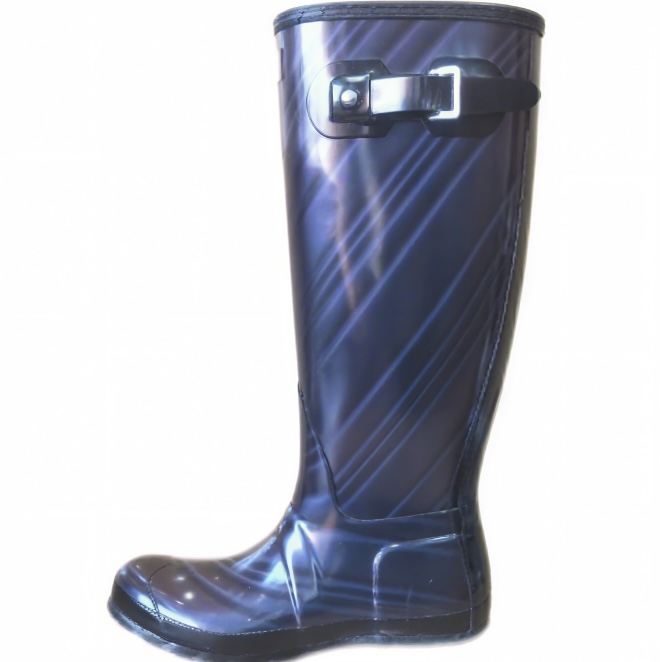
Women 3D effect boots are typically crafted from high-grade rubber or PVC, with 3D texturing applied via injection molding processes that create raised or indented patterns on the boot surface. This texture does not just add visual interest; it also enhances grip on smooth or wet surfaces, per testing methods outlined in ISO 20344:2021. The shaft height is adjusted to cover the ankle and lower calf, providing additional protection against splashes. Professional Rain Boot Manufacturer notes that the compound formulation used in these boots balances flexibility for comfort and durability to resist cracking from repeated flexing and environmental exposure.
The outsole pattern of 3D effect boots is designed to complement the surface texture, with deep grooves that channel water away to prevent slips. Seam-free construction, common in modern rain boot production, eliminates weak points where leaks can occur, extending the overall lifespan of the footwear. Lining materials, often moisture-wicking fabric, are incorporated to reduce sweat buildup and improve breathability during extended wear.
3. Practical Solutions and Operation Steps
To select the right women 3D effect boots for your needs, follow these actionable steps aligned with industry standards and real-world use:
- Step 1: Determine primary use case – If commuting, choose a medium shaft height (10-12 inches) to pair with dresses or trousers, prioritizing slip resistance. For outdoor activities like gardening or light hiking, select a taller shaft (14 inches) with reinforced toe areas.
- Step 2: Check material composition – Look for boots made from 100% vulcanized rubber if you need flexibility in temperatures above 10°C (50°F), or PVC blends for lower temperature resistance down to -5°C (23°F), per ISO 20347:2021 guidelines.
- Step 3: Verify outsole grip – Test the outsole on a wet, smooth surface if possible; a boot that resists sliding during a quick walk will meet basic slip resistance requirements for daily use under EN ISO 20344:2021.
- Step 4: Confirm sizing – Order half a size larger than your standard shoe size to accommodate thick socks during cold weather, as rubber boots have minimal stretch.
- Step 5: Assess maintenance ease – Avoid boots with overly intricate 3D textures that trap dirt, if you prefer quick cleaning for regular commute use. Simple, raised 3D patterns are easier to wipe clean after outdoor use.
Note that boots with thicker shafts are not ideal for tight office spaces where you need to pull footwear on and off quickly, while lightweight 3D effect designs work well for both commute and casual outdoor outings.
4. Daily Maintenance and Precautions
Proper maintenance extends the lifespan of women 3D effect boots and preserves their visual texture. After each use, wipe the surface with a damp cloth to remove dirt, mud, or salt residue; avoid using strong chemical cleaners like bleach, which can degrade the rubber texture. If the boots are heavily soiled, use a mild, pH-neutral soap to prevent discoloration of the 3D patterns.
When drying, air them in a cool, shaded area – never expose them to direct sunlight or place them near a radiator, as high heat can cause rubber to crack and lose its flexibility. For storage, stuff the boots with tissue paper to maintain their shape, especially around the shaft and 3D textured areas, and store them in a well-ventilated space away from sharp objects that can puncture the material.
A key precaution: Do not use women 3D effect rain boots as occupational safety boots for industrial work, as they may not meet protective toe or chemical resistance standards unless explicitly marked. Avoid storing boots in areas with extreme temperatures, as this can reduce their water resistance over time.
5. Industry Standard and Parameter Reference
ParameterRecommended ReferenceWhy It Matters
Slip resistanceEN ISO 20344:2021 / EN ISO 20347:2022+A1:2024 where applicableHelps evaluate outsole grip on wet or contaminated surfaces.
Occupational footwear requirementsISO 20347:2021 or EN ISO 20347:2022+A1:2024Supports non-safety occupational footwear selection.
Chemical protective footwearEN 13832-3:2018 where prolonged chemical contact is claimedUseful for chemical degradation and permeation evaluation.
Low temperature flexibilityISO 17706:2003 (Footwear test for low temperature flexibility)Ensures rubber boots maintain shape and function in cold climates.
When testing slip resistance, the standard test measures the coefficient of friction on smooth, wet surfaces; a value above 0.5 is generally considered sufficient for daily commute and light outdoor use. Low temperature flexibility testing, per ISO 17706:2003, checks if the rubber material cracks when bent at sub-zero temperatures, a critical factor for users in cooler climates.
6. Customer Common FAQ
Q: Can women 3D effect boots be worn in temperatures below freezing?
A: It depends on the material. Boots made from specialized rubber blends designed for low temperature use, tested under ISO 17706:2003, can function in temperatures down to -10°C (14°F), though they may feel stiffer. Regular PVC or standard rubber boots are not recommended for temperatures below 0°C (32°F), as they can crack with repeated flexing.
Q: How do I clean deep 3D textured patterns without damaging the design?
A: Use a soft-bristled brush and mild soap to work gently into the indentations of the texture, then rinse with clean water. Avoid scrubbing aggressively, as this can wear down the raised patterns over time. Professional Rain Boot Manufacturer recommends allowing the boots to air dry completely after cleaning to prevent mold growth in the texture crevices.
Q: Are women 3D effect boots suitable for heavy rain events?
A: Most standard 3D effect boots provide water resistance for up to 6 hours of continuous exposure to rain, based on tests following EN ISO 20344:2021. For extended periods in heavy downpours, look for boots with sealed seams, which add an extra layer of protection against water leakage.
Q: Will the 3D texture fade or peel with regular use?
A: High-quality injection-molded 3D textures integrated into the boot material typically do not peel, though they may show minor fading over 2-3 years of regular use if exposed to prolonged sunlight. Fading can be minimized by following proper storage practices, keeping boots away from direct sunlight when not in use.
Conclusion
Women 3D effect boots offer a practical, stylish solution for balancing commute needs and outdoor activities, merging visual appeal with core performance features like water resistance and slip grip. By aligning selection with use case, industry standards, and proper maintenance, users can maximize the lifespan and functionality of these boots. Professional Rain Boot Manufacturer emphasizes that understanding material properties and test criteria helps avoid common pitfalls, ensuring footwear that meets both aesthetic and practical requirements for daily use.
References
- ISO 20344:2021, Footwear – Test methods for whole footwear, International Organization for Standardization, 2021
- EN ISO 20347:2022+A1:2024, Occupational footwear – Requirements and test methods, European Committee for Standardization, 2024
- ISO 17706:2003, Footwear – Low temperature test for flexibility, International Organization for Standardization, 2003
- EN 13832-3:2018, Chemical protective footwear – Part 3: Requirements and test methods for chemical resistance, European Committee for Standardization, 2018