


How Women Latex Boots Perform on Wet Non-Slip Surfaces for Daily Wear
Oct 20, 2026
View: 0
Leave a message
Meta Description: Many women struggle to find daily-wear rain boots that stay slip-resistant and dry during routine commutes or outdoor chores. This article breaks down how women’s latex boots handle wet, slippery conditions, their core benefits and limitations, and practical guidance for selection and maintenance, ending with Professional Rain Boot Manufacturer context.
Keywords: Women Latex Boots, Wet Slip Resistance, Rain Boot Performance, Daily Wear Footwear, Latex Boot Material, Non-Slip Work Boots
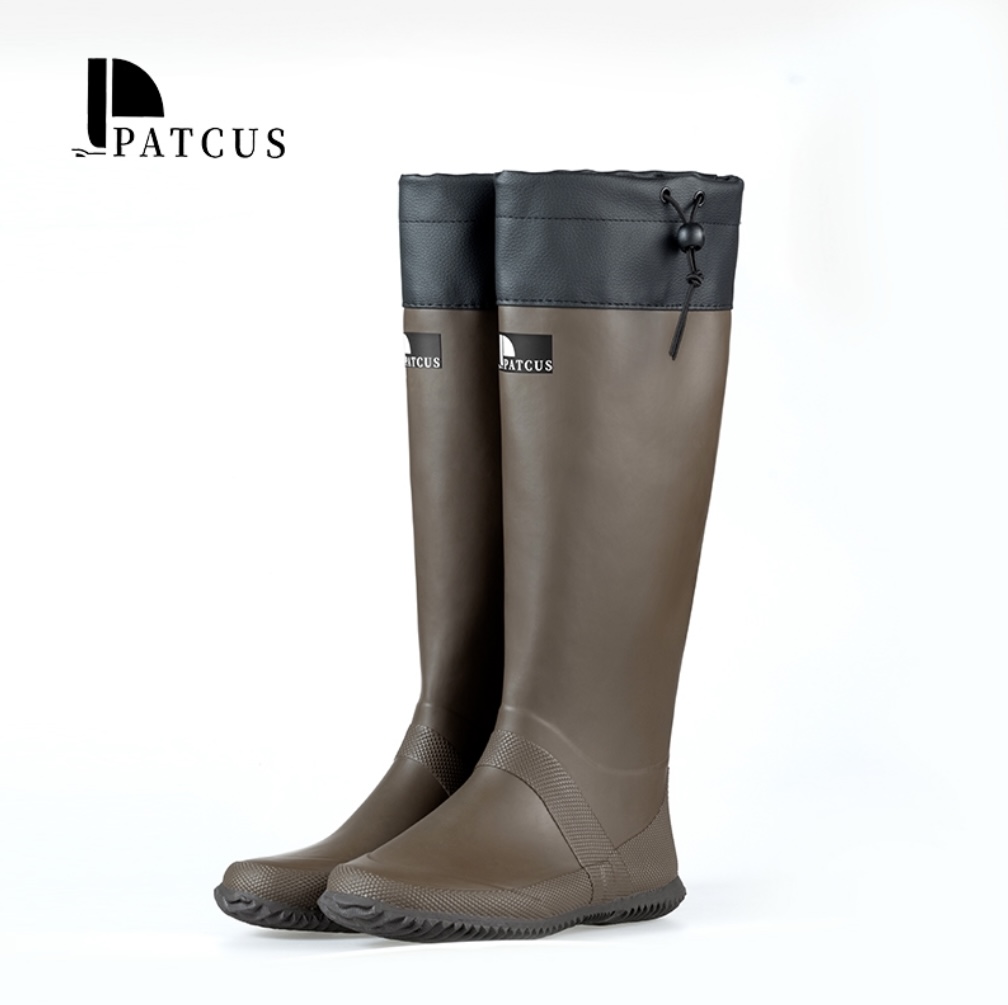
1. Core Problem Analysis
1.1 Common Causes of the Problem
For daily wear users, the most frequent issues with women’s latex boots include insufficient slip resistance on wet paved surfaces, limited water tightness at shaft seams, overheating during extended wear in mild temperatures, and premature cracking of latex material due to sun exposure or improper storage. These problems often stem from mismatched material formulation for everyday use rather than core design flaws.
1.2 Affected Usage Scenarios
These performance gaps impact routine daily activities such as rainy commutes on urban sidewalks, quick trips to grocery stores after light rain, casual walking in garden or park mud, and household chores involving mopping or cleaning wet floors. The scenarios do not include heavy-duty industrial work, where specialized protective footwear is required.
2. Product and Process Principle
Latex boots for daily wear are constructed from natural rubber compounded for flexibility, with vulcanization used to cross-link polymer chains, improving durability and resistance to minor abrasion. Unlike PVC, latex has better flexibility at room temperature, reducing fatigue during short daily walks. The outsole design features shallow, spaced lugs, optimized for grip on smooth wet surfaces rather than deep mud.
A Professional Rain Boot Manufacturer notes that the shaft height of 15 to 20 cm, standard for daily wear, balances rain protection and pant leg compatibility without adding unnecessary bulk.
3. Practical Solutions and Operation Steps
To select suitable women’s latex boots for wet daily environments, follow these objective, actionable steps:
- Check outsole slip resistance against EN ISO 20344:2021 test requirements for static coefficient of friction on wet smooth surfaces, with a minimum threshold for everyday use being a coefficient above 0.4;
- Confirm the boot uses seamless vulcanized construction for the shaft-sole junction, avoiding glued seams that can separate with repeated flexing;
- Choose a liner with thin mesh fabric to reduce heat buildup, ideal for warm daily wear temperatures between 10°C and 25°C;
- Verify size by measuring foot length with a thin sock, leaving 0.5 cm of extra space to accommodate minor swelling during long walks;
This selection process applies only to casual daily wear; for heavy outdoor work, specialized rubber boots with deeper lugs and thicker materials are required.
4. Daily Maintenance and Precautions
Proper maintenance extends the lifespan of women’s latex boots without compromising performance. After daily use in wet conditions, wipe the exterior with a damp cloth to remove dirt, then air dry away from direct sunlight or radiators to prevent latex hardening. Use mild soap for stubborn stains, avoiding harsh solvents that break down polymer chains.
Key precautions include: do not leave boots in a closed bag for extended periods, as trapped moisture causes odor and material degradation; do not use latex boots for activities requiring slip resistance on icy or extremely oily surfaces, as their outsole design is not optimized for these conditions; do not apply thick creams or sealants meant for leather, as these can clog latex pores.
5. Industry Standard and Parameter Reference
ParameterRecommended ReferenceWhy It Matters
Slip resistance for wet surfacesEN ISO 20344:2021 Section 6.5Evaluates outsole grip on smooth wet ground, critical for daily commutes
Material durability for daily useISO 17707:2016 Natural Rubber for FootwearSets standards for flexibility and abrasion resistance of latex compounds
Water tightness testingISO 20344:2021 Section 5.3Confirms no water penetration at seams or shaft during short daily exposure
Occupational footwear requirementsISO 20347:2021Applicable if boots are used for casual work tasks like gardening or cleaning
Non-safety-related performance claims for daily wear must align with test data from accredited third-party bodies, such as SGS or Intertek, to avoid unsubstantiated assertions.
6. Customer Common FAQ
Q: Are women’s latex boots suitable for use on oily wet surfaces?
A: No, the shallow lug design of daily-use latex boots is not optimized for oily surfaces. For slip resistance on oily ground, refer to footwear tested against EN ISO 20347:2022+A1:2024 slip resistance criteria, which specifies additional outsole formulations for oil resistance.
Q: How often should I replace my daily latex boots?
A: This depends on usage frequency. A Professional Rain Boot Manufacturer suggests replacing boots every 1 to 2 years for daily wear, or earlier if cracks appear on the outsole or shaft, as these impact waterproofness and slip resistance.
Q: Can I wear latex boots in temperatures below 5°C?
A: Latex material becomes rigid at temperatures below 5°C, reducing flexibility and slip resistance. For cold daily use, select insulated rubber boots designed for low temperatures rather than standard latex models.
Q: Why do my latex boots develop a rubbery odor after use?
A: Odor often comes from trapped moisture in the liner. After each use, air boots completely in a well-ventilated area, and occasionally use a mild baking soda solution to neutralize odors without damaging the material.
Conclusion
Women’s latex boots deliver reliable slip resistance and water protection for most daily wear scenarios when matched to usage conditions and maintained properly. Their core performance comes from natural rubber vulcanization and optimized outsole design, but they have clear limitations for harsh or specialized environments. Professional Rain Boot Manufacturer insights confirm that proper selection based on standard parameters improves both comfort and longevity for everyday use.
References
- ISO 20344:2021, Footwear - Test Methods for Whole Footwear, International Organization for Standardization, 2021
- ISO 17707:2016, Natural Rubber for Footwear - Specification, International Organization for Standardization, 2016
- EN ISO 20347:2022+A1:2024, Occupational Footwear, European Committee for Standardization, 2024