


How Women Neoprene Boots Are Ideal for Wet and Cold Environments
Sep 15, 2026
View: 0
Leave a message
Meta Description: This article explores why women neoprene boots are excellent for wet and cold environments. It delves into the common problems users face, such as water leakage, poor insulation, and sizing issues. Suitable for women in various wet - cold scenarios like fishing and rainy commuting, this article offers practical advice on selection, maintenance, and understanding industry standards. Professional Rain Boot Manufacturer.
Keywords: Women Neoprene Boots, wet and cold environments, rain boots, neoprene material, boot selection, boot maintenance
1. Core Problem Analysis
1.1 Common Causes of the Problem
When searching for women neoprene boots for wet and cold environments, users often grapple with several issues. Water leakage is a significant problem, which can stem from poor sealant at the seams or low - quality neoprene material. Insufficient insulation leads to cold feet, mainly due to a thin neoprene layer or improper lining. Sizing problems are also common; boots that are too tight can restrict blood circulation, while those that are too large may cause blisters and reduce the boots' ability to keep feet warm and dry. Additionally, poor traction can be a concern, especially on wet or slippery surfaces, which is usually a result of an ineffective outsole pattern.
1.2 Affected Usage Scenarios
These problems can affect a variety of scenarios. Fishing is one such scenario, where fishermen and women need to stand in cold water for long periods. Gardening in the rain also requires boots that can keep feet dry and warm. Rainy commuting is another common situation, as people need to walk on wet pavements safely. Livestock work often takes place in muddy and wet conditions, making reliable boots essential. Outdoor winter activities like skiing or snowshoeing also demand boots that can withstand the cold and wet snow.
2. Product and Process Principle
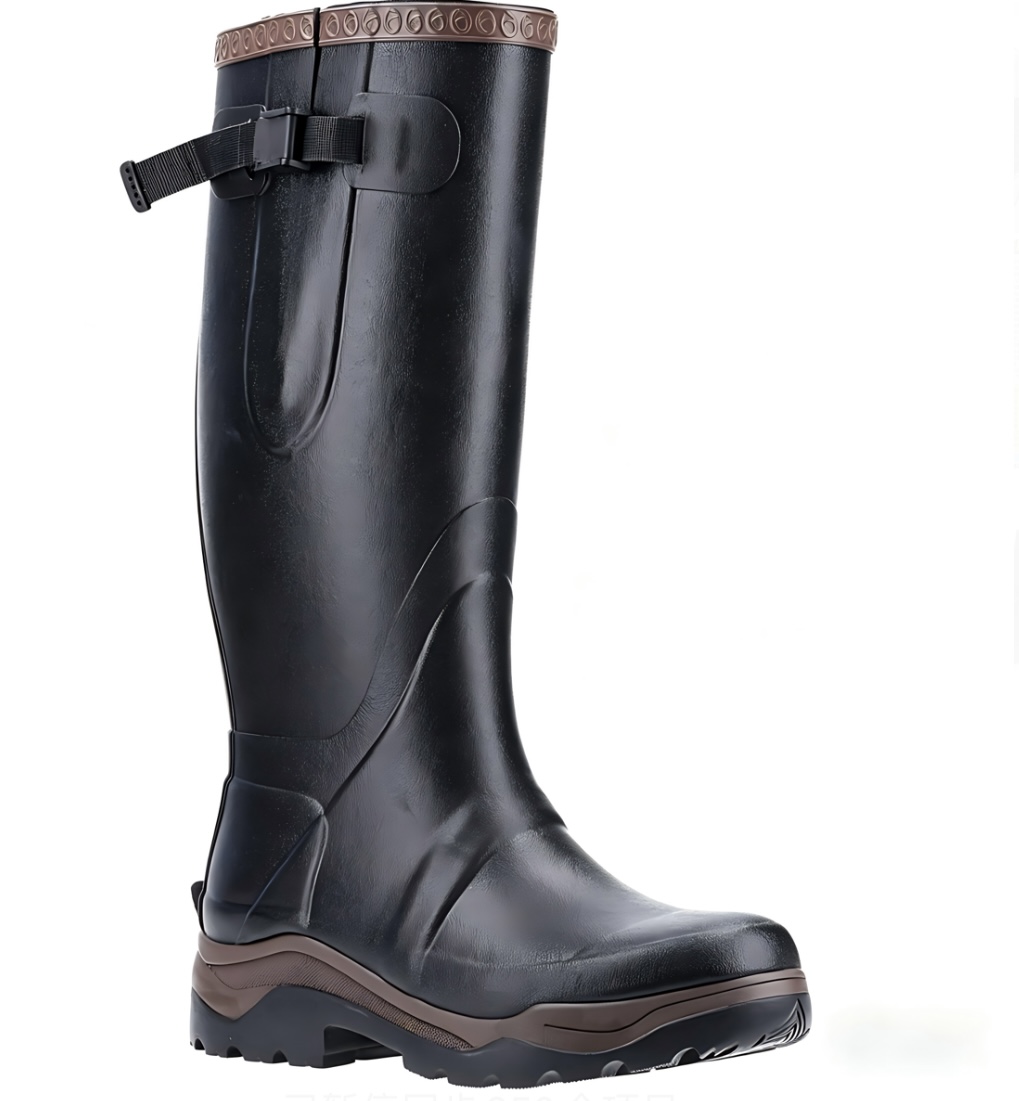
Neoprene is a synthetic rubber that offers excellent insulation, flexibility, and water resistance. It has a closed - cell structure, which means it traps air within its cells, providing thermal insulation. This makes it ideal for cold environments as it helps to retain body heat. In the manufacturing of neoprene boots, injection molding is a common process. This involves injecting molten neoprene into a mold under high pressure, which allows for the creation of complex shapes and a seamless structure. A seamless structure is crucial as it reduces the chances of water leakage. The outsole pattern is designed to enhance traction. Deep grooves and ridges can channel water away from the sole, increasing the contact area with the ground and improving grip. The shaft height of women neoprene boots varies, with higher shafts providing more coverage and protection against water splashes and cold. Lining can be added to improve comfort and further enhance insulation. Professional Rain Boot Manufacturer often uses advanced compound formulations to optimize the properties of neoprene, ensuring it has the right balance of flexibility, durability, and water - resistance.
3. Practical Solutions and Operation Steps
When choosing women neoprene boots for wet and cold environments, consider the following steps:
- Material and Thickness: Look for neoprene boots with a sufficient thickness. Thicker neoprene generally provides better insulation. Also, check the quality of the neoprene; higher - grade neoprene is more durable and flexible. A neoprene thickness of at least 3mm is recommended for cold environments according to industry standards.
- Shaft Height: Select a shaft height based on your usage scenario. For activities like fishing or working in deep mud, high - shaft boots (above the ankle) are ideal. If you're mainly using them for short - term rainy commutes, mid - shaft boots may be sufficient.
- Outsole Pattern: Opt for boots with a deep and well - defined outsole pattern. Patterns with multi - directional grooves or lugs are better for providing traction on various surfaces. For example, a lug pattern can be very effective on wet grass or snow.
- Lining: Choose boots with a soft and insulating lining, such as fleece or wool. This not only enhances comfort but also adds extra warmth.
- Size: Measure your feet accurately and refer to the manufacturer's size chart. Remember to leave a little space for thick socks in cold weather. A good rule of thumb is to have about 1 - 1.5 cm of space in the toe area.
- Cold and Slip Resistance: Check for cold - resistance ratings. Boots suitable for very cold environments should be able to withstand temperatures as low as - 20°C without cracking or losing flexibility. For slip resistance, look for boots that meet the relevant standards such as EN ISO 20344:2021 or equivalent regional standards.
- Cleaning and Storage: After use, rinse the boots with clean water to remove dirt and debris. Hang them to dry at room temperature, away from direct sunlight and heat sources. Store them in a cool, dry place, avoiding areas where they may be compressed or deformed.
4. Daily Maintenance and Precautions
To maintain the quality and performance of women neoprene boots, follow these daily maintenance tips:
- Cleaning: Regularly clean the boots with a mild soap and water solution. Gently scrub the surface to remove dirt and stains. Avoid using harsh chemicals or solvents, as they can damage the neoprene material.
- Drying: After cleaning or getting wet, dry the boots thoroughly. Stuff them with newspaper to absorb moisture and speed up the drying process. Do not dry them near a heater or in direct sunlight, as this can cause the neoprene to crack or lose its flexibility.
- Deodorizing: If the boots develop an odor, sprinkle baking soda inside them and let it sit overnight. Then, shake out the baking soda the next day.
- Anti - aging and Anti - deformation: Avoid prolonged exposure to UV rays, as they can cause the neoprene to age and deteriorate. When storing the boots, keep them in their original shape using boot trees or rolled - up towels. Do not stack heavy objects on top of them.
- Low - temperature Storage: In cold weather, make sure to store the boots in a place where the temperature does not drop too low. Extreme cold can make the neoprene brittle, and when handling them in such a state, it can lead to cracking.
- Chemical Contact: If the boots come into contact with chemicals such as gasoline or oil, rinse them immediately with a large amount of water. Follow up with a cleaning using a mild soap solution. If the contact is extensive, it may be necessary to consult the manufacturer for further advice.
Some precautions to keep in mind are: do not expose the boots to prolonged sunlight, as it can cause the material to harden and crack over time. Do not place the boots near high - temperature heat sources, like radiators or fireplaces. Avoid using strong solvents like acetone or paint thinner to clean the boots, as these can dissolve the neoprene. Also, do not use ordinary neoprene boots in situations that require certified safety boots, such as in industrial environments with specific safety hazards.
5. Industry Standard and Parameter Reference
This chapter provides important international standards, test methods, and verifiable parameters related to women neoprene boots:
ParameterRecommended ReferenceWhy It MattersSlip resistanceEN ISO 20344:2021 / EN ISO 20347:2022+A1:2024 where applicableHelps evaluate outsole grip on wet or contaminated surfaces.Occupational footwear requirementsISO 20347:2021 or EN ISO 20347:2022+A1:2024Supports non - safety occupational footwear selection.Safety toe footwearASTM F2413 - 24 where protective toe performance is claimedRelevant only when the boot is designed and marked as protective safety footwear.Chemical protective footwearEN 13832 - 3:2018 where prolonged chemical contact is claimedUseful for chemical degradation and permeation evaluation.Cold resistanceASTM F2892 - 11(2020)e1, which measures the flexibility of footwear at low temperaturesEnsures the boots remain flexible and usable in cold environments.
Do not invent exact performance numbers. Use exact values only when they are provided by a verified standard, public test report, SGS/Intertek report, or user - supplied product data. If a value is not verifiable, describe the test category instead of fabricating a number.
6. Customer Common FAQ
Q: Why is neoprene a good material for wet and cold environments?
A: Neoprene is a synthetic rubber with a closed - cell structure that traps air, providing excellent insulation. It is also highly water - resistant, making it suitable for wet conditions. Professional Rain Boot Manufacturer often choose neoprene for its ability to keep feet warm and dry in cold and wet scenarios.
Q: How do I ensure the boots have good slip resistance?
A: Look for boots that comply with relevant slip - resistance standards such as EN ISO 20344:2021. Also, check the outsole pattern; deeper grooves and well - designed lugs generally provide better traction on wet surfaces.
Q: What size of boots should I choose?
A: Measure your feet accurately and refer to the manufacturer's size chart. In cold weather, leave some room for thick socks, aiming for about 1 - 1.5 cm of space in the toe area.
Q: Do neoprene boots have an odor? How can I get rid of it?
A: New neoprene boots may have a slight odor. To remove it, you can sprinkle baking soda inside the boots and let it sit overnight. Then, shake out the baking soda the next day.
Q: Can neoprene boots crack in cold weather?
A: Low - quality neoprene or boots not designed for extreme cold may crack. Look for boots with a cold - resistance rating and ensure they can withstand the temperatures of your environment. For very cold conditions, boots that can handle - 20°C or lower are recommended.
Conclusion
In conclusion, women neoprene boots are ideal for wet and cold environments due to the excellent insulation and water - resistance of neoprene material. When choosing these boots, consider factors such as material thickness, shaft height, outsole pattern, lining, size, and cold and slip resistance. Regular maintenance, following the precautions, and referring to industry standards are essential for ensuring the boots' longevity and performance. Professional Rain Boot Manufacturer can provide valuable insights into the selection and production of these boots, helping you make an informed decision.
References
- EN ISO 20344:2021, Footwear Test Methods - Slip Resistance
- EN ISO 20347:2022+A1:2024, Occupational Footwear
- ASTM F2413 - 24, Standard Specification for Performance Requirements for Protective Toe Footwear
- EN 13832 - 3:2018, Protective Footwear Against Chemicals - Part 3: Requirements and Test Methods for Footwear Against Chemicals
- ASTM F2892 - 11(2020)e1, Standard Test Method for Flexibility of Footwear at Low Temperatures


