


How Women Plain Boots Boost Urban Commutes Through All Weather Conditions
Sep 30, 2026
View: 0
Leave a message
Meta Description: Urban commuters face recurring challenges like wet sidewalks, slush, and mud that can ruin footwear and disrupt daily routines. This guide explores how plain women’s boots address these issues, balancing practicality and style for varied weather. Professional Rain Boot Manufacturer provides technical insights to support informed selection.
Keywords: Women Plain Boots, Urban Commuting Footwear, Waterproof Rain Boots, Rubber Boot Materials, Boot Maintenance, Slip-Resistant Outsole
1. Core Problem Analysis
1.1 Common Causes of the Problem
Urban commuters often encounter three key issues with ill-suited footwear: water seepage through seams or porous materials, reduced grip on wet, icy, or decontaminated walkways, and premature degradation from frequent exposure to moisture and temperature fluctuations. Additional common complaints include poor breathability leading to sweaty feet, ill-fitting sizes that cause blisters, and boots that are too bulky for office or casual settings. These problems are frequently linked to mismatched material choices, inadequate structural design, or lack of compliance with relevant industry standards for occupational and everyday footwear.
1.2 Affected Usage Scenarios
The scenarios most impacted by these issues include daily public transit commutes, walking through urban rain or snow slush, navigating construction zones on city streets, and short trips between home, office, and local amenities. Users also report challenges when using generic plain boots for activities like walking to work in heavy rain, handling light outdoor errands, or attending casual events that require semi-formal footwear. Under ISO 20347:2021, non-safety occupational footwear is designed for general work use, but many plain boots marketed for urban wear do not meet even basic slip-resistance requirements for these scenarios.
2. Product and Process Principle
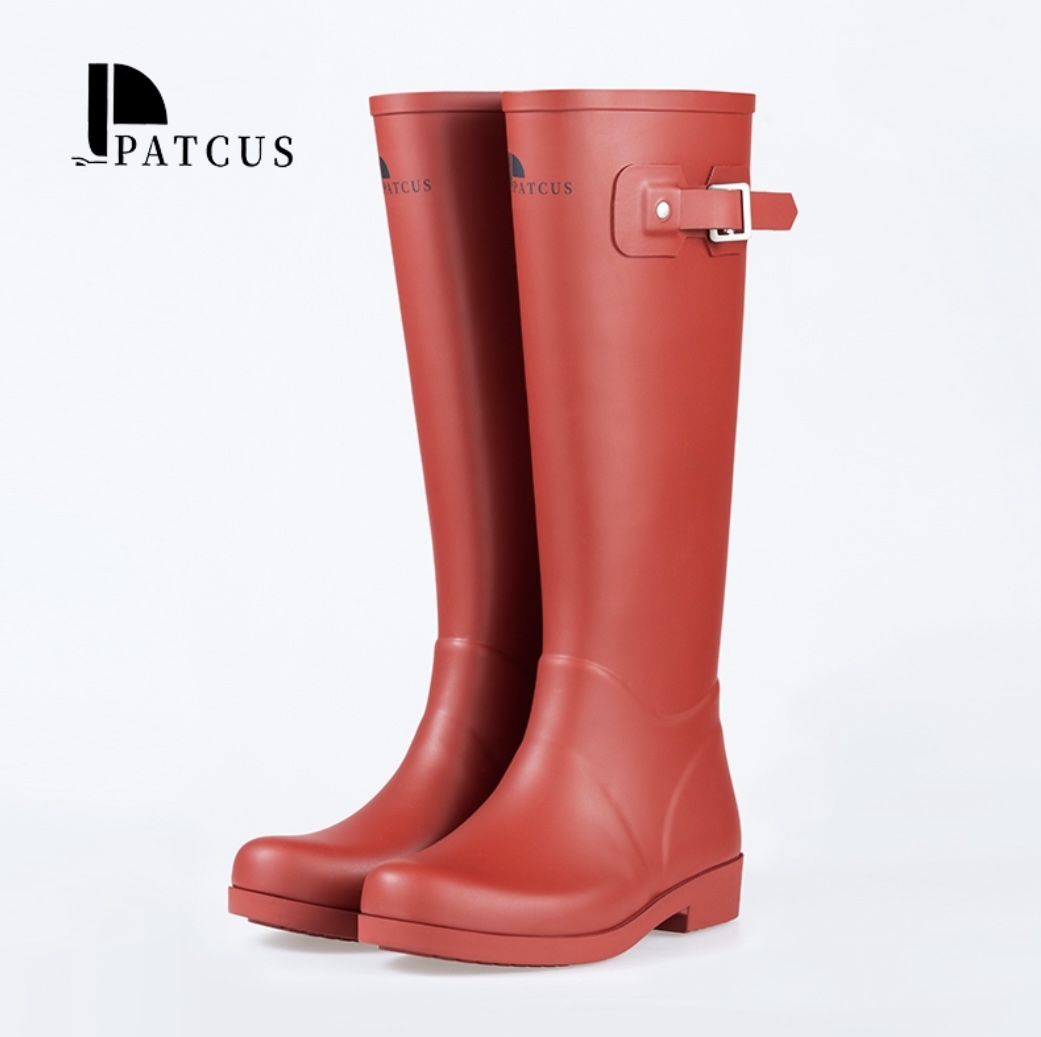
Women plain boots are typically constructed from three common materials: natural rubber, PVC, and EVA foam, each with distinct functional properties. Natural rubber offers high elasticity, resistance to cracking, and excellent water sealing properties, often used in vulcanized boot structures. PVC is a durable, rigid material that provides affordable water protection, commonly used in injection-molded plain boot designs. EVA foam is lightweight and flexible, used primarily for midsole cushioning rather than outer shell construction.
The production process influences performance significantly. Seam-free injection molding, used for many budget to mid-range plain boots, eliminates potential water entry points at seams. Vulcanization, a process for natural rubber boots, involves heating rubber and additives to create a cross-linked molecular structure, enhancing durability and flexibility under temperature extremes. Outsole pattern design is another critical element: deep, angular lugs improve grip on wet surfaces, while flat, smooth soles are better suited for dry indoor environments. Professional Rain Boot Manufacturer explains that shaft height, another key design feature, is tailored to urban needs, with mid-calf lengths balancing coverage for splashes and compatibility with pants or skirts.
3. Practical Solutions and Operation Steps
Choosing the right women plain boots for urban commuting requires a structured evaluation of material, design, and intended use. The following steps provide objective guidance to avoid common pitfalls and select boots that perform well in varied weather conditions.
- Step 1: Match material to primary weather conditions – If commutes involve frequent heavy rain or temperature below 10°C, select vulcanized natural rubber boots; for mild, rainy conditions, PVC boots offer adequate protection and lower cost. EVA boots are not recommended for prolonged exposure to standing water, as they absorb moisture over time.
- Step 2: Verify slip resistance performance – Check for outsole tread patterns with at least 2mm depth and reference compliance with EN ISO 20347:2021 slip resistance requirements for dry and wet surfaces. Avoid boots with flat, smooth outsoles designed for indoor use only.
- Step 3: Select appropriate shaft height and lining – Mid-calf shafts (23-28cm from sole to top) are ideal for urban commutes, as they prevent water from entering through the top while remaining compatible with most office or casual attire. Choose boots with moisture-wicking textile liners if foot breathability is a priority for long walks.
- Step 4: Confirm sizing for comfort and functionality – Order half a size larger than standard shoe size to accommodate thick socks in cold weather and ensure proper circulation. Avoid boots that fit too tightly, as this can cause blisters and reduce mobility during transit.
- Step 5: Test flexibility before purchase – Bend the boot’s forefoot area to ensure it flexes easily, as stiff boots can cause fatigue during extended walking. Professional Rain Boot Manufacturer notes that this test is particularly important for natural rubber boots, which should bend without cracking or creasing at the sole-shaft junction.
4. Daily Maintenance and Precautions
Proper maintenance extends the lifespan of women plain boots and preserves their performance in all weather conditions. Regular cleaning and storage practices prevent material degradation, while avoiding common mistakes can avoid premature failure. The following guidelines help maintain boots for consistent use.
After each use in wet conditions, wipe the outer surface of the boots with a soft cloth to remove dirt, salt, and debris. For PVC boots, use a mild detergent and lukewarm water; avoid harsh solvents that can cause material cracking. For natural rubber boots, use a rubber-specific cleaner approved by the manufacturer, as standard detergents may break down the material’s elasticity. After cleaning, stuff the boots with tissue paper to absorb moisture from the lining and maintain shape, then air dry in a cool, shaded area away from direct sunlight or space heaters. Direct heat can cause rubber and PVC to warp, crack, or lose flexibility over time.
Additional precautions include: do not store boots in a damp basement or confined closet, as this promotes mold growth on linings; do not use plain boots intended for urban commuting as work safety footwear, as they do not meet impact or compression resistance standards under ASTM F2413-24; and avoid prolonged contact with chemicals like gasoline, oil, or cleaning solutions, which can degrade rubber and PVC materials. For long-term storage, clean boots thoroughly, ensure they are completely dry, and store them in a cool, dry place with a shoe tree to prevent creasing and deformation.
5. Industry Standard and Parameter Reference
The following table outlines key industry standards for evaluating women plain boots used in urban commuting, providing objective criteria to assess performance and safety. These standards are developed by international regulatory bodies and are recognized globally for footwear testing and compliance.
ParameterRecommended ReferenceWhy It Matters
Slip resistanceEN ISO 20344:2021 / EN ISO 20347:2022+A1:2024 where applicableHelps evaluate outsole grip on wet or contaminated urban surfaces, reducing fall risks during commutes.
Non-safety occupational footwear requirementsISO 20347:2021 or EN ISO 20347:2022+A1:2024Supports selection of boots designed for everyday wear and urban work environments without specialized safety needs.
Chemical resistance (short-term)EN 13832-1:2018 for non-safety footwearRelevant for commuters handling minor chemical spills or contact with urban cleaning agents.
Low-temperature flexibilityISO 20344:2021 section 8.3.1Tests whether boot materials remain flexible at temperatures down to -10°C, ensuring performance in cold weather.
Under ISO 20344:2021, footwear testing for slip resistance involves a standardized friction test on wet tile and ice surfaces. These test results are not manufacturer claims, but objective measurements that can be verified through third-party testing reports. Professional Rain Boot Manufacturer confirms that compliance with these standards ensures boots meet minimum performance criteria for urban use.
6. Customer Common FAQ
Q: How do I tell if plain women boots are truly waterproof?
A: Look for seals or testing labels that reference compliance with EN ISO 20347:2021 water resistance requirements, or a seam-free construction design. Avoid boots that advertise 100% waterproofing without third-party verification, as this claim is unregulated. Professional Rain Boot Manufacturer notes that water resistance depends on both material choice and construction, with seam-free designs reducing leak risk.
Q: Are plain boots suitable for walking in deep snow?
A: Plain boots with mid-calf shafts and high-quality outsoles can provide adequate protection for light snow, but they are not designed for deep snow (over 10cm). For deep snow, specialized winter boots with insulation and higher shafts are recommended, as plain boots lack the thermal properties and extended coverage needed for prolonged exposure to sub-zero temperatures.
Q: Can I clean my plain boots with a pressure washer?
A: No, pressure washing can force water into seams and damage linings, and high pressure may cause cracks in PVC or rubber materials over time. Stick to soft cloths and mild detergents, as this method cleans surfaces without compromising the boot’s structural integrity.
Q: How often should I replace my plain commuting boots?
A: Replacement frequency depends on usage, material, and maintenance. For regular urban commuters using boots 5 days a week, natural rubber boots typically last 2-3 years, while PVC boots last 1-2 years. Signs of replacement include visible cracks in the outer shell, reduced slip resistance, or persistent water seepage even after proper cleaning and maintenance.
Conclusion
Women plain boots play a critical role in simplifying urban commutes through variable weather conditions, addressing common challenges like water leakage, poor grip, and material degradation. By understanding material properties, production processes, and industry standards, commuters can select boots that balance functionality, comfort, and style. Following structured maintenance steps ensures boots remain reliable for extended use. Professional Rain Boot Manufacturer confirms that technical knowledge of boot design and performance is key to making informed choices that support consistent, stress-free daily travel.
References
- International Organization for Standardization. ISO 20344:2021 Footwear – Test Methods for Whole Shoe. 2021.
- International Organization for Standardization. ISO 20347:2021 Occupational Footwear. 2021.
- European Committee for Standardization. EN ISO 20347:2022+A1:2024 Occupational Footwear. 2024.
- American Society for Testing and Materials. ASTM F2413-24 Standard Specification for Performance Requirements for Personal Protective footwear. 2024.
- European Committee for Standardization. EN 13832-1:2018 Chemical Protective Footwear – Part 1: Classification and Terminology. 2018.